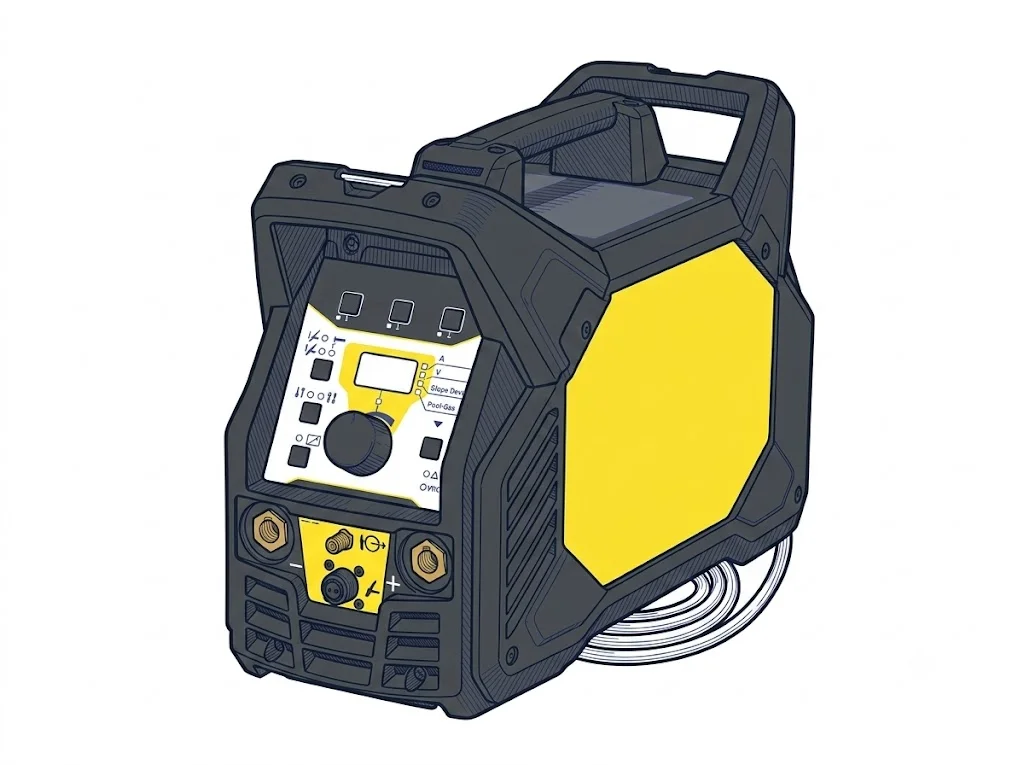
TIG welding (GTAW)
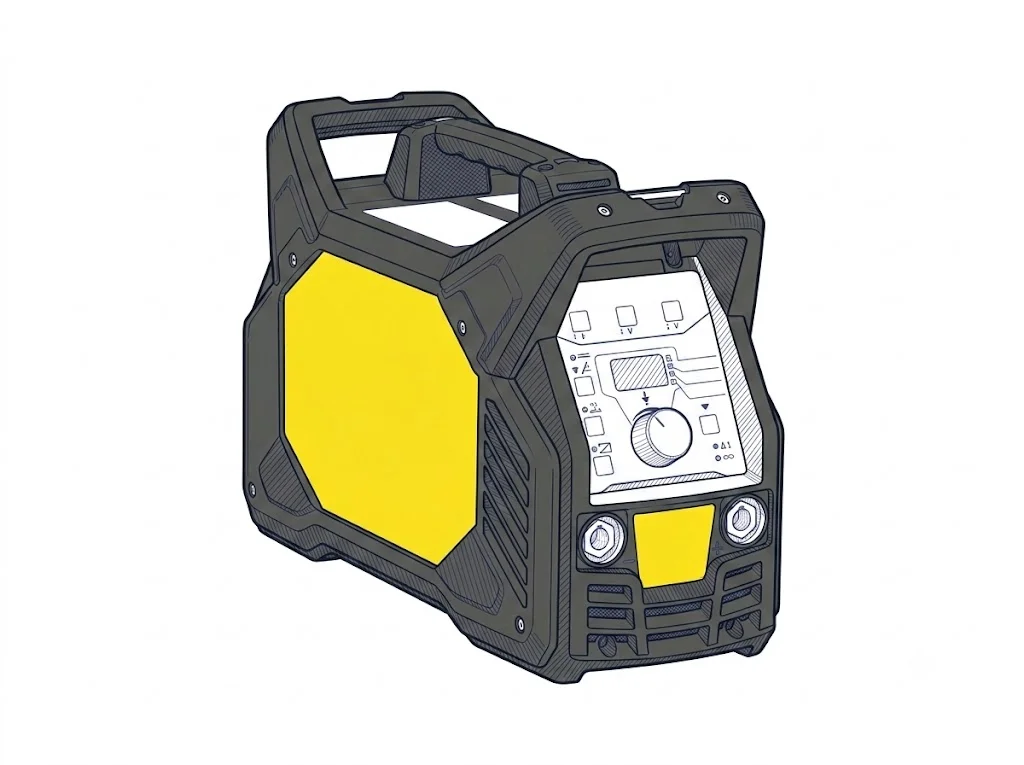
Renegade ET 300i
Weight
15.0 kg (33.1 lb)
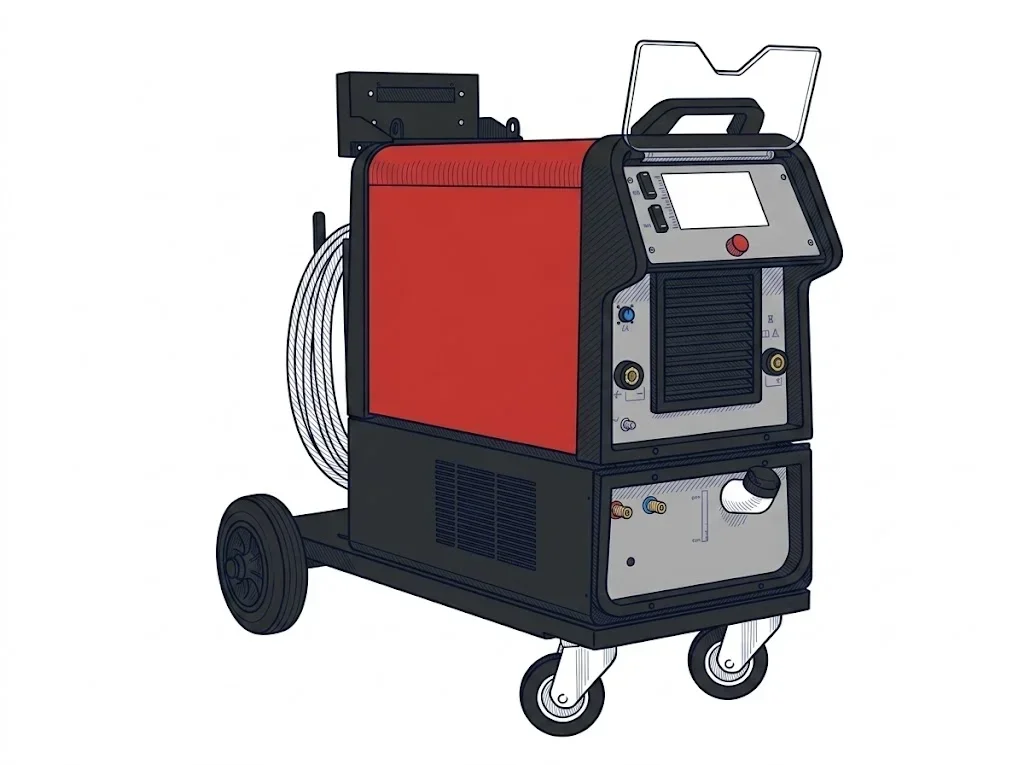
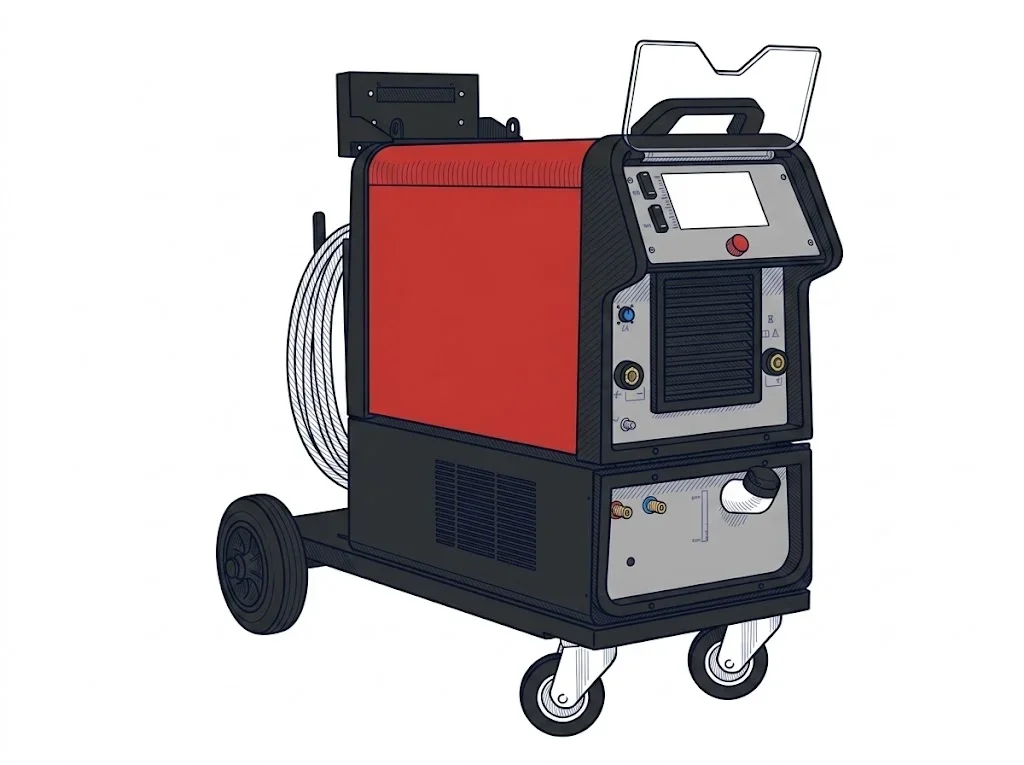
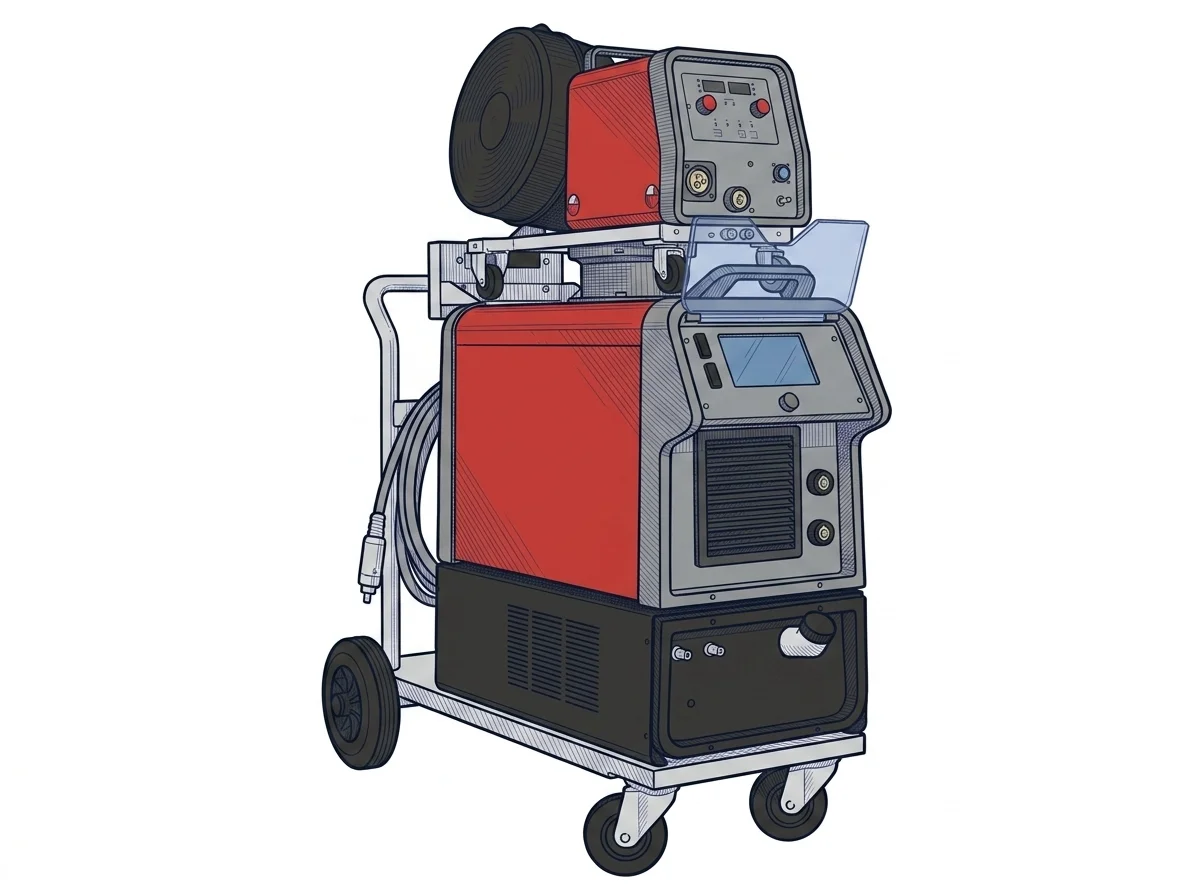
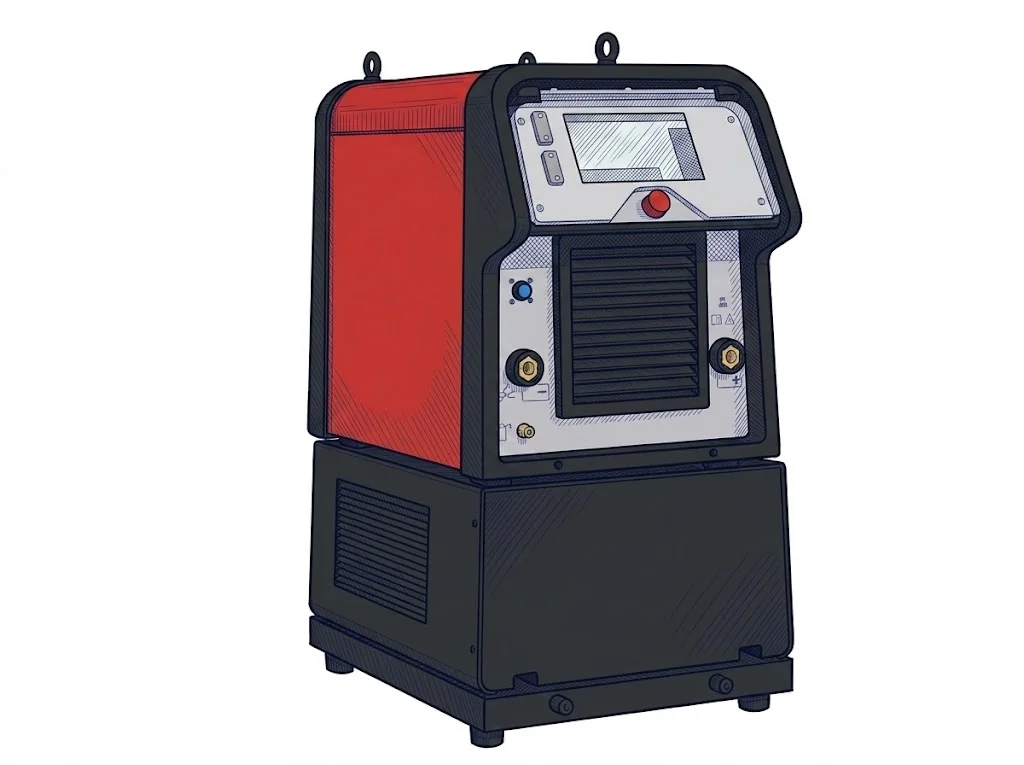
Designed specifically for direct integration into robotic cells and automated systems, this welding power source sits firmly in the highest industrial tier. Internal components, cooling systems, and hardware communication interfaces are optimized to withstand the continuous and intensive workloads typical of high-volume manufacturing. The ability to stably deliver 270 amps in both alternating and direct current, combined with the necessary 400-volt three-phase power supply, makes it suitable for complex processing of medium and heavy thicknesses on a wide range of materials, including aluminum, stainless steel, and special alloys. The structural architecture and management protocols are designed solely to maximize reliability and repeatability in unstaffed processes, thus excluding any use in hobbyist, artisanal, or general manual workshop environments.
MakerSpecs doesn't sell and doesn't show store prices: check the price where you buy.
| Parameter | Value | Source |
|---|---|---|
| Machine dimensions | 41 × 61 × 81 cm (16.1 × 24.0 × 31.9 in) | manufacturer website |
| Weight | 53.0 kg (116.8 lb) | manufacturer website |
| Power supply | 400 V / 50 Hz / 7600 W | manufacturer website |
| Welding type | TIG | Compiled by editorial team |
| Max welding current | 270 A | Compiled by editorial team |
| Power source technology | Inverter | Compiled by editorial team |
| Pulse capable | Yes | Compiled by editorial team |
| Input voltage | 400 V (three-phase) | Compiled by editorial team |
The power source is engineered to interface with controllers from major industrial robot manufacturers via standard fieldbus and analog communication protocols. It lacks a user interface intended for manual operators, as all welding parameters, such as pulsation, ramps, and frequency, are managed centrally by the robotic cell's software. The absence of cloud dependency ensures factory network isolation, which is crucial for industrial security and minimizing latency. Firmware updates for the generator typically require proprietary diagnostic tools or direct wired connections managed by specialized technical personnel during scheduled maintenance.
Technical data verified on the manufacturer's official website (recording date shown above). Description, editorial notes and translations are written with the help of AI and reviewed by the author before publication: the numbers always come from the cited source. Read the full methodology →