CeraFab System S320

Lithoz S320 2025

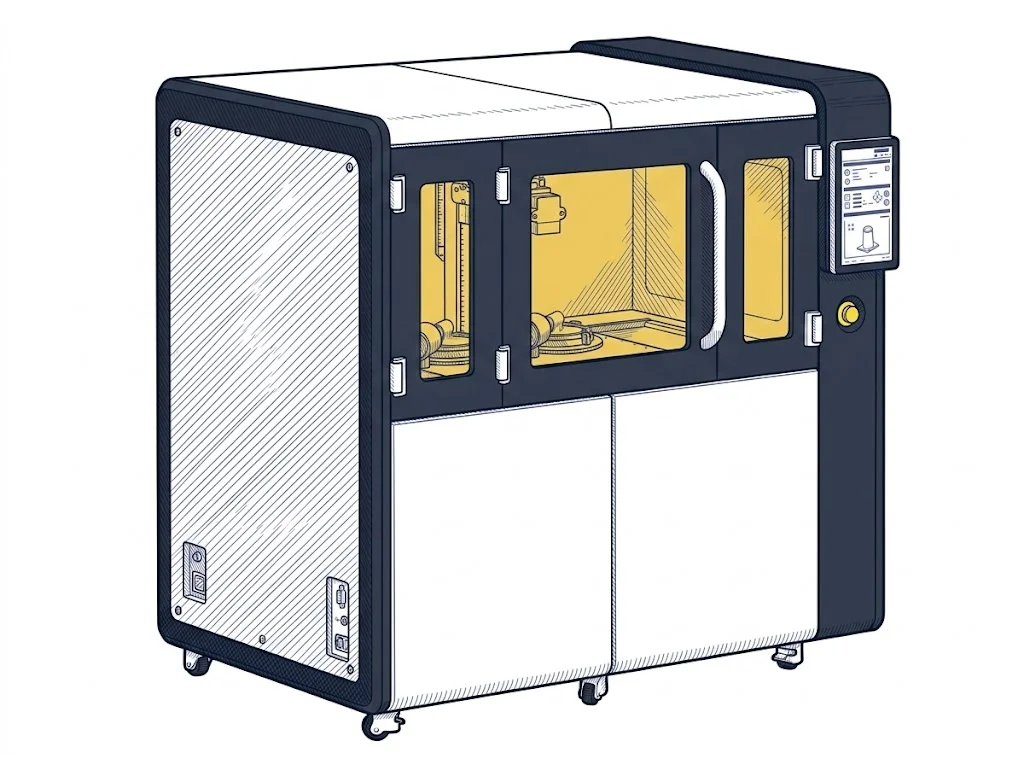
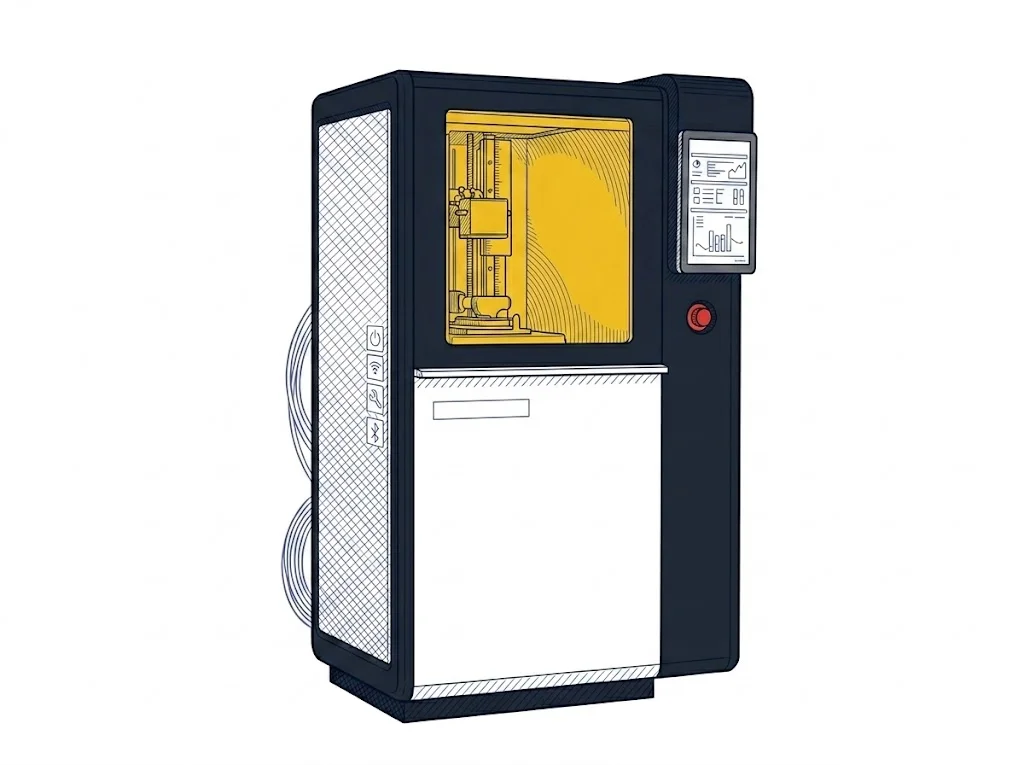
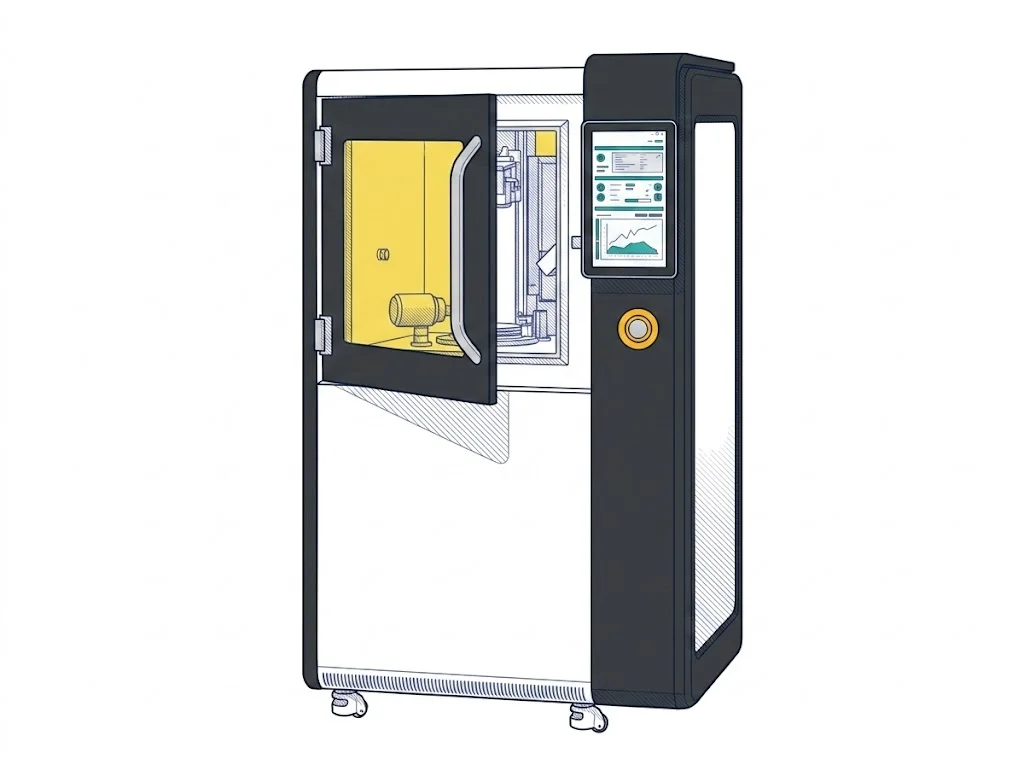
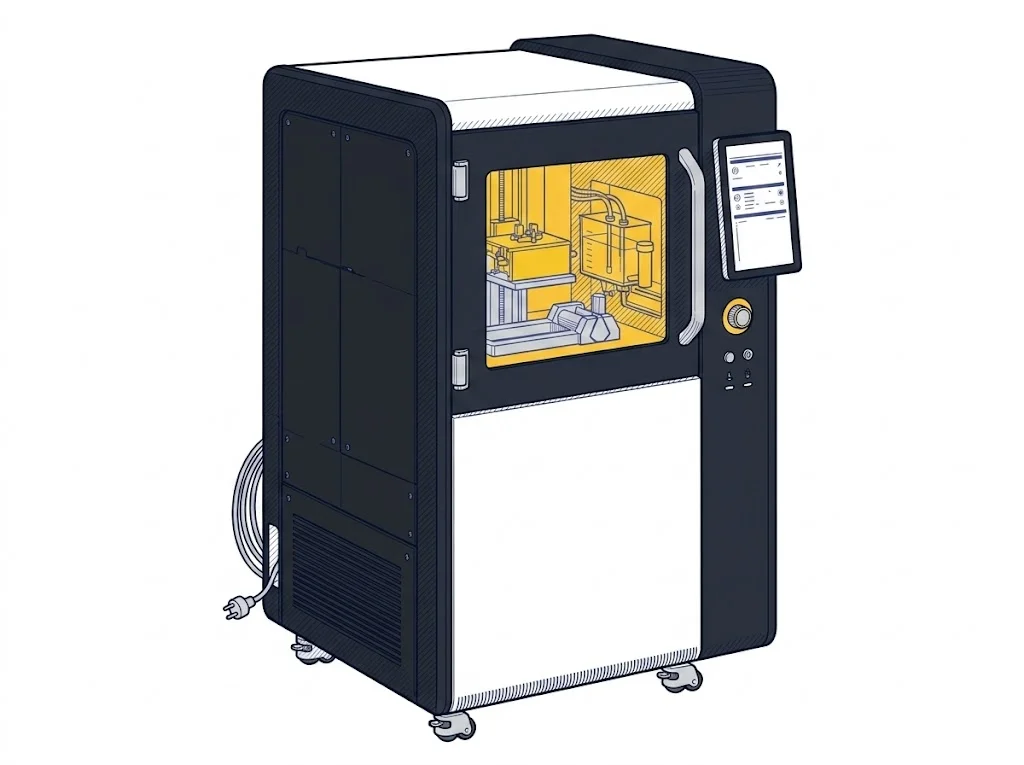
The CeraFab System S320 is positioned in the industrial segment of additive manufacturing for technical ceramics, surpassing entry-level DLP printers in dimensional accuracy and final material density. Unlike cheaper paste-extrusion systems, this machine uses Lithography-based Ceramic Manufacturing (LCM) technology, which guarantees mechanical properties comparable to pressed ceramics. It is intended for R&D laboratories and the production of high-performance ceramic components, where process repeatability is critical. Its main limitations are its closed materials ecosystem and high operating costs, making it unsuitable for low-budget rapid prototyping.

Data from official source
Lithoz CeraFab System S320 — 3D printing with clay & ceramics
Price not available

MakerSpecs is an independent atlas. We don't sell products.

Work area 246 × 130 mm (9.7 × 5.1 in)
Dimensions 85 × 105 × 178 cm (33.5 × 41.3 × 70.1 in)
Parameter Value Source
Machine dimensions 85 × 105 × 178 cm (33.5 × 41.3 × 70.1 in) manufacturer website
Work area 246 × 130 × 320 mm (9.7 × 5.1 × 12.6 in) manufacturer website
Declared precision 60.0 um manufacturer website

Material compatibilities will be available in a future version.

Software

The system uses proprietary Lithoz software for file preparation and print process management. The firmware is integrated and optimized exclusively for LCM technology, ensuring precise control of light exposure parameters. It is not compatible with standard open-source slicers like Cura or PrusaSlicer, requiring the use of a dedicated suite for support management and thermal shrinkage compensation.

Reviews from those who use this machine every day will be available in the next version of the platform.

How we verify this sheet

Technical data verified on the manufacturer's official website (recording date shown above). Editorial notes, market positioning and anomaly flags are assisted by the MakerSpecs AI system as a second reader, always validated by the author before publication. Read the full methodology →

Updates to this sheet and Manufacturer Notes
  1. Sheet published