Phrozen Sonic Mini vs Phrozen Sonic Mini 8K S
Technical comparison · Resin 3D printing
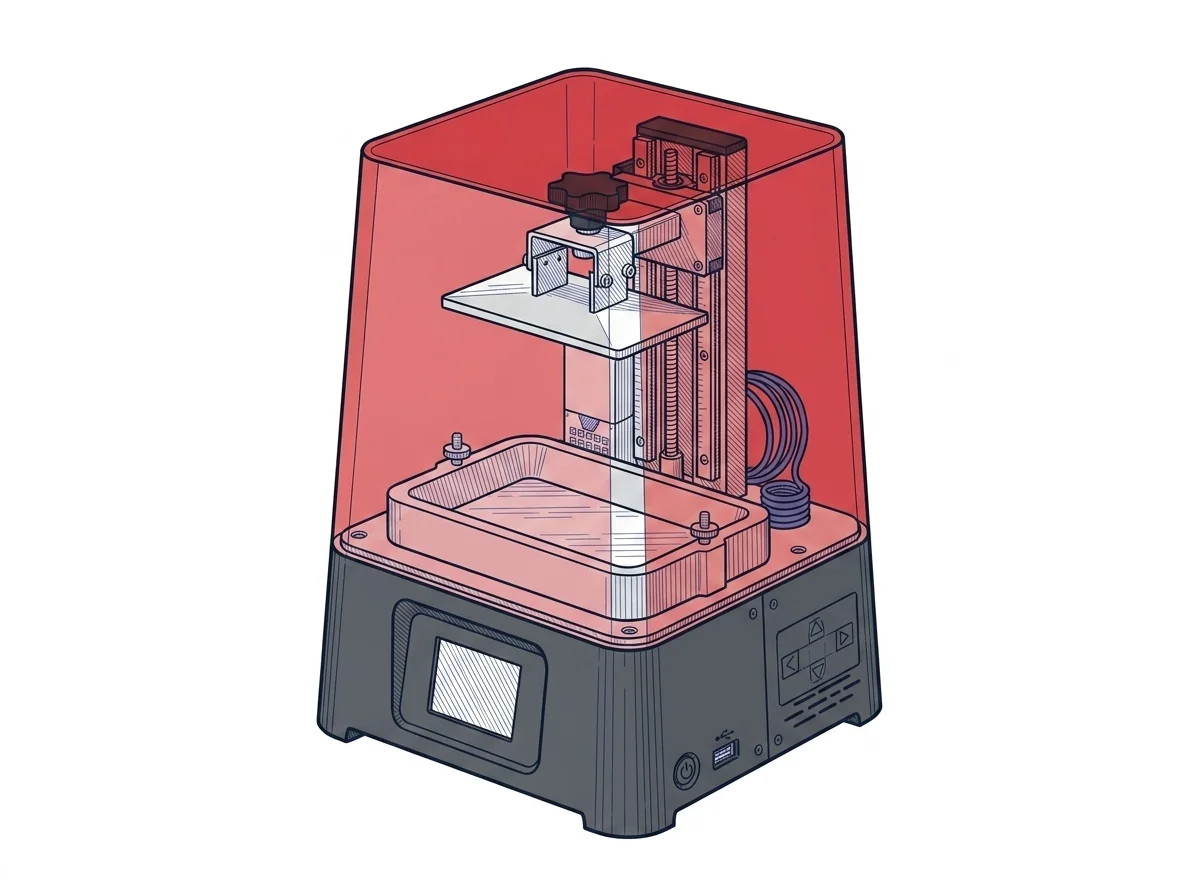
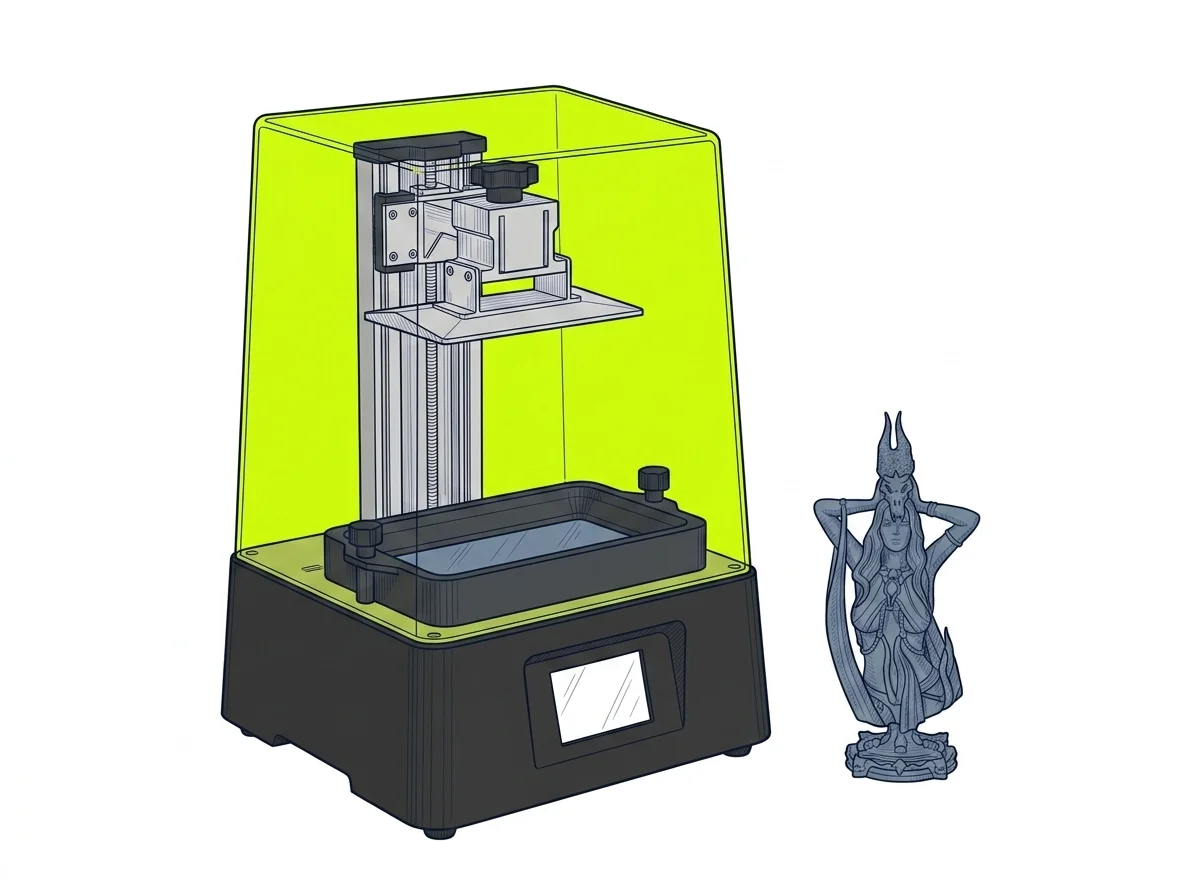
Two Phrozen resin printers from the Mini line, three years apart. The choice is between spending as little as possible to get started and paying for a much finer resolution, which is what shows on miniature detail.
| Parameter | ||
|---|---|---|
| Identity | ||
| Launch year | 2020 | 2023 |
| Use tier | F1 — Entry | F2 — Intermediate |
| Price | ||
| Price (€) | ~190–250 € | ~299–350 € |
| Universal specs | ||
| Dimensions (W×D×H) (cm) | 25 × 25 × 33 cm | 29 × 29 × 43 cm |
| Weight (kg) | 4.5 kg | 10 kg |
| Work area (mm) | 120 × 68 mm | 165 × 72 mm |
| Z-axis height (mm) | 130 mm | 170 mm |
| Power (W) | 40 W | — |
| Declared precision | 62.5 μm | 22 μm |
| Category specs | ||
| Build area XY (short side) (mm) | 68 mm | 72 mm |
| XY resolution (µm) | 62.5 µm | 22 µm |
| Light source | Mono LCD | Mono LCD |
| Print speed (mm/h) | 50 mm/h | 80 mm/h |
| Tilt / peel system | Standard FEP | Standard FEP |
| Ecosystem | ||
| Cloud dependency | No | No |
| Software notes | The device operates primarily through third-party slicing software widely adopted within the maker community, such as ChiTuBox and Lychee Slicer, ensuring high flexibility in file preparation. Integration with these programs allows granular control over exposure parameters, support generation, and lift times. The machine features no integrated wireless connectivity or reliance on cloud platforms, requiring completed print files to be transferred exclusively via a removable USB flash drive. This configuration guarantees complete offline operational autonomy and mitigates the risk of interruptions caused by network issues or forced remote software updates. | The machine offers broad compatibility with leading third-party slicing software options, notably popular solutions like Chitubox, Lychee Slicer, and Voxeldance Tango. This software flexibility prevents users from being locked into a restrictive, closed proprietary ecosystem, allowing them to utilize advanced support generation and model orientation algorithms. File transfer is handled entirely offline via a standard USB port, a design choice that prioritizes connection stability during data transmission but lacks native Wi-Fi connectivity or cloud-based management features. Material profiles are easily accessible and customizable, significantly streamlining the fine-tuning of exposure times for a wide variety of commercial 405nm photopolymer resins available on the market. |
The differences that matter
- Price: the Sonic Mini costs about €105 less (€220 against €325).
- Stated XY resolution: 62.5 µm against 22 µm → on the 8K S the fine detail of miniatures comes through, on the Mini you see the grain.
- Build area: 120×68 mm against 165×72 mm → on the 8K S you fit more parts side by side in one batch.
- Stated print speed: 50 mm/h against 80 mm/h → on tall parts the 8K S finishes the batch in fewer hours.
Which one to choose
Choose Sonic Mini if…
you want to try resin or print simple, small parts: it takes little bench space, with a base of about 25×25 cm and a weight of 4.5 kg. The panel is coarser, so fine detail and curved surfaces show more grain.
Choose Sonic Mini 8K S if…
you print miniatures with fine detail or parts up to 170 mm tall: the Z axis is longer and the panel reproduces details the Sonic Mini loses. It costs more, weighs 10 kg and needs a base of about 29×29 cm.
Where to buy
Paid link: the price for you does not change. Methodology
As an Amazon Associate I earn from qualifying purchases.
MakerSpecs is an independent atlas. We don't sell products: the purchase links are the same as on the two product sheets and don't influence the verdict. The sheets have the complete data.