Formlabs Form 4 vs Formlabs Form 4B
Technical comparison · Resin 3D printing
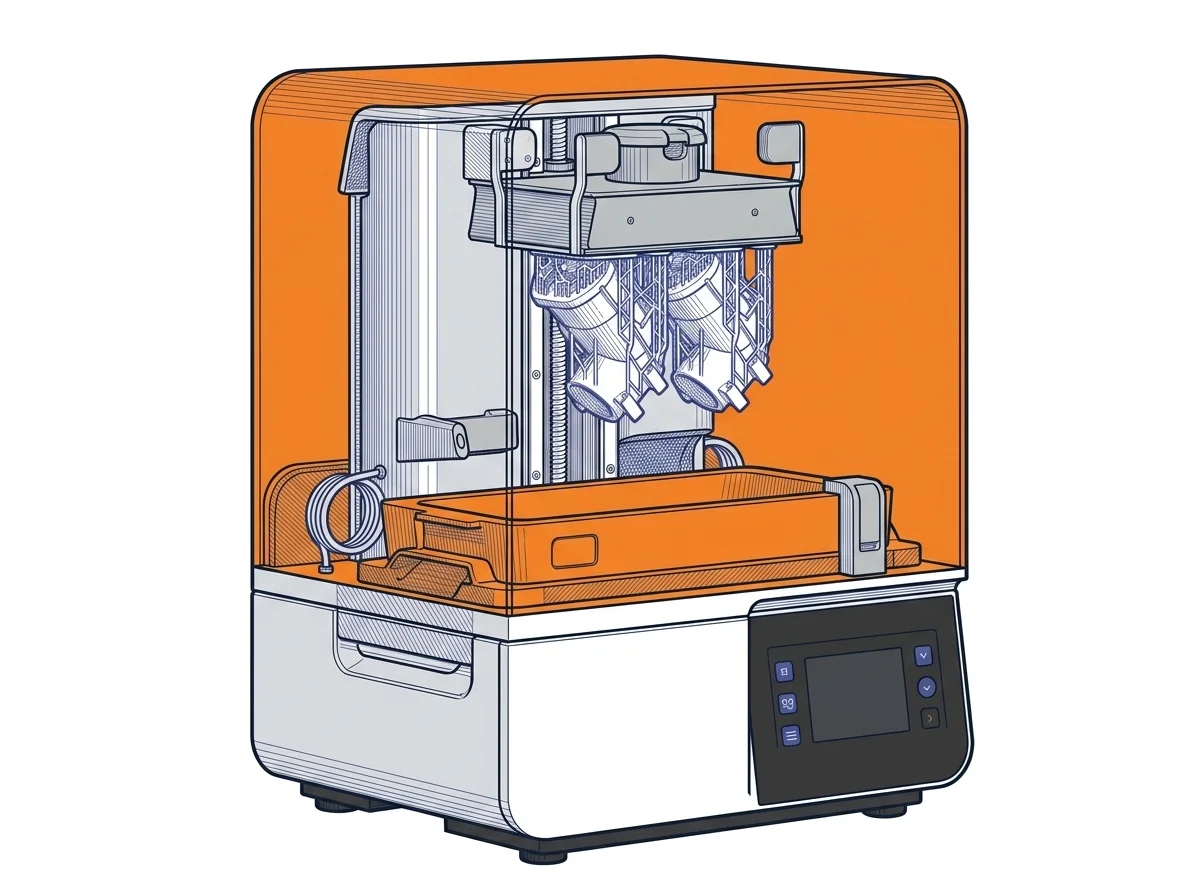
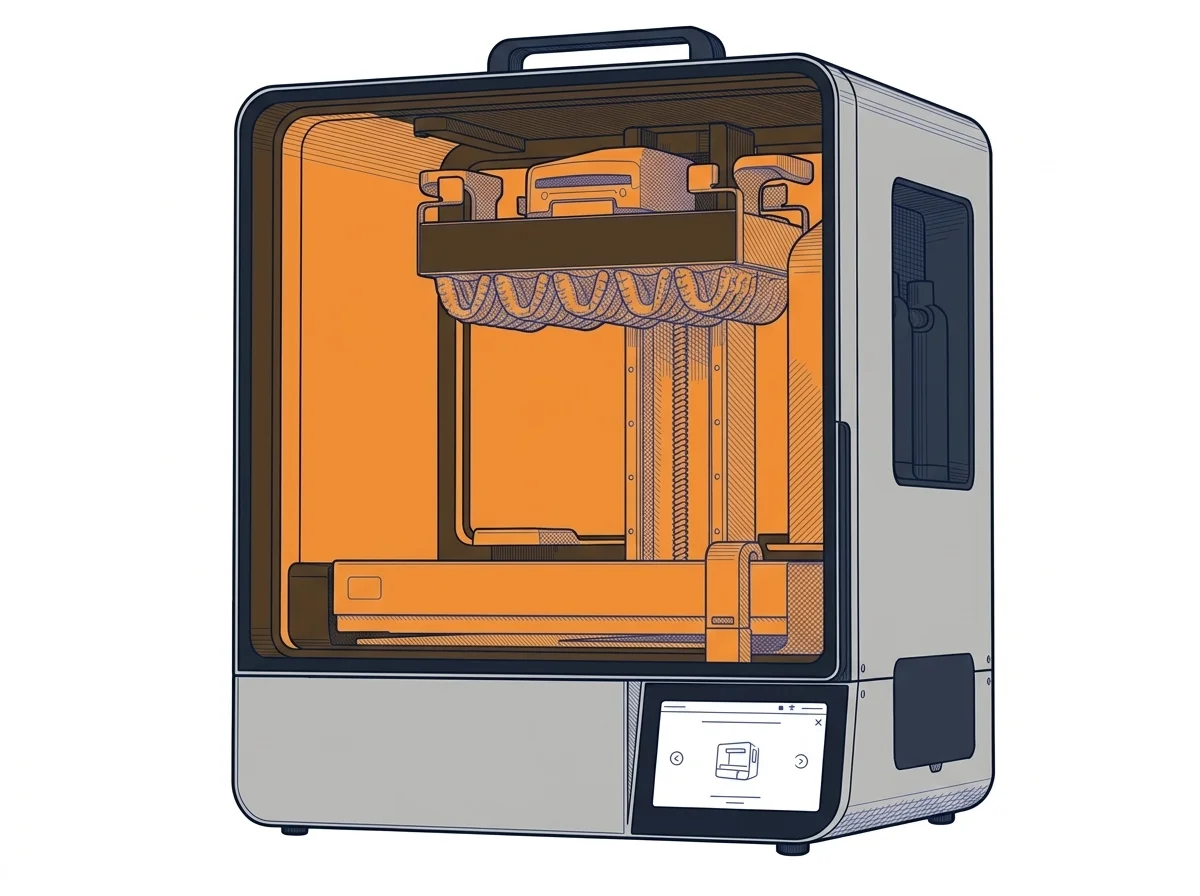
The two machines share the same build plate, height, resolution and PreForm software: on declared figures they coincide. The gap is €1,150 (€4,349 against €5,499), and the spec sheet does not explain it.
| Parameter | ||
|---|---|---|
| Identity | ||
| Launch year | 2024 | 2024 |
| Use tier | F3 — Advanced | F2 — Intermediate |
| Price | ||
| Price (€) | 4349 € | 5499 € |
| Universal specs | ||
| Dimensions (W×D×H) (cm) | 39.8 × 36.7 × 55.4 cm | 39.8 × 36.7 × 55.4 cm |
| Weight (kg) | 18.3 kg | 18.3 kg |
| Work area (mm) | 200 × 125 mm | 200 × 125 mm |
| Z-axis height (mm) | 210 mm | 210 mm |
| Power (W) | 480 W | 480 W |
| Voltage (V) | 240 V | 240 V |
| Maximum speed | 100 | 100 |
| Declared precision | 50 μm | 50 μm |
| Category specs | ||
| Build area XY (short side) (mm) | 125 mm | 125 mm |
| XY resolution (µm) | 50 µm | 50 µm |
| Light source | Mono LCD | Mono LCD |
| UV power (mW/cm²) | 16 mW/cm² | — |
| Print speed (mm/h) | 100 mm/h | 100 mm/h |
| Ecosystem | ||
| Cloud dependency | No | No |
| Software notes | The printing process is managed by the proprietary PreForm software, a closed application that automatically optimizes model orientation, support generation, and production time calculations. This software environment is designed to ensure a highly streamlined and standardized workflow, ideal for professional contexts where result predictability is crucial. PreForm integrates seamlessly with the manufacturer's ecosystem, receiving continuous updates that introduce new profiles for proprietary resins. The machine also offers optional access to Fleet Control and the cloud-based Dashboard platform, which are advanced tools that allow users to monitor print queues, manage multiple units in parallel, and track material consumption in real time remotely. | Print job management is handled by the proprietary PreForm software, which enables automatic model layout, optimized orientation, and guided generation of retention supports. The program integrates preconfigured and validated print profiles for all proprietary materials, reducing the need for manual calibrations by the user. Through the Dashboard cloud platform, users can remotely monitor production progress, manage print queues for multiple devices, and analyze material consumption. The software architecture requires a network connection for advanced monitoring features, but it also allows files to be transferred via local USB, Ethernet, or Wi-Fi connections, ensuring operational flexibility inside the laboratory. |
The differences that matter
- €4,349 against €5,499 → €1,150 apart with no declared difference in plate, height, speed or resolution
- Monitoring: Fleet Control and Dashboard are optional on the Form 4, while on the 4B advanced features need a network connection → without a network the 4B loses advanced monitoring; on the Form 4 those services are an optional extra
Which one to choose
Choose Form 4 if…
A lab that wants a 200 × 125 mm plate and 50 µm XY resolution without paying more: on the same data it prints the same, with €1,150 left in the budget. Remote monitoring through Fleet Control and Dashboard is optional, so the machine works without it.
Choose Form 4B if…
Only if an outside requirement calls for the 4B variant (a supplier, or a workflow already built on that version): there is nothing extra on print figures to justify the premium. Advanced monitoring needs a network connection; files still arrive by USB, Ethernet or Wi-Fi.
Where to buy
MakerSpecs is an independent atlas. We don't sell products: the purchase links are the same as on the two product sheets and don't influence the verdict. The sheets have the complete data.