Creality HALOT-X1 vs Elegoo Saturn 4 Ultra 16K
Technical comparison · Resin 3D printing
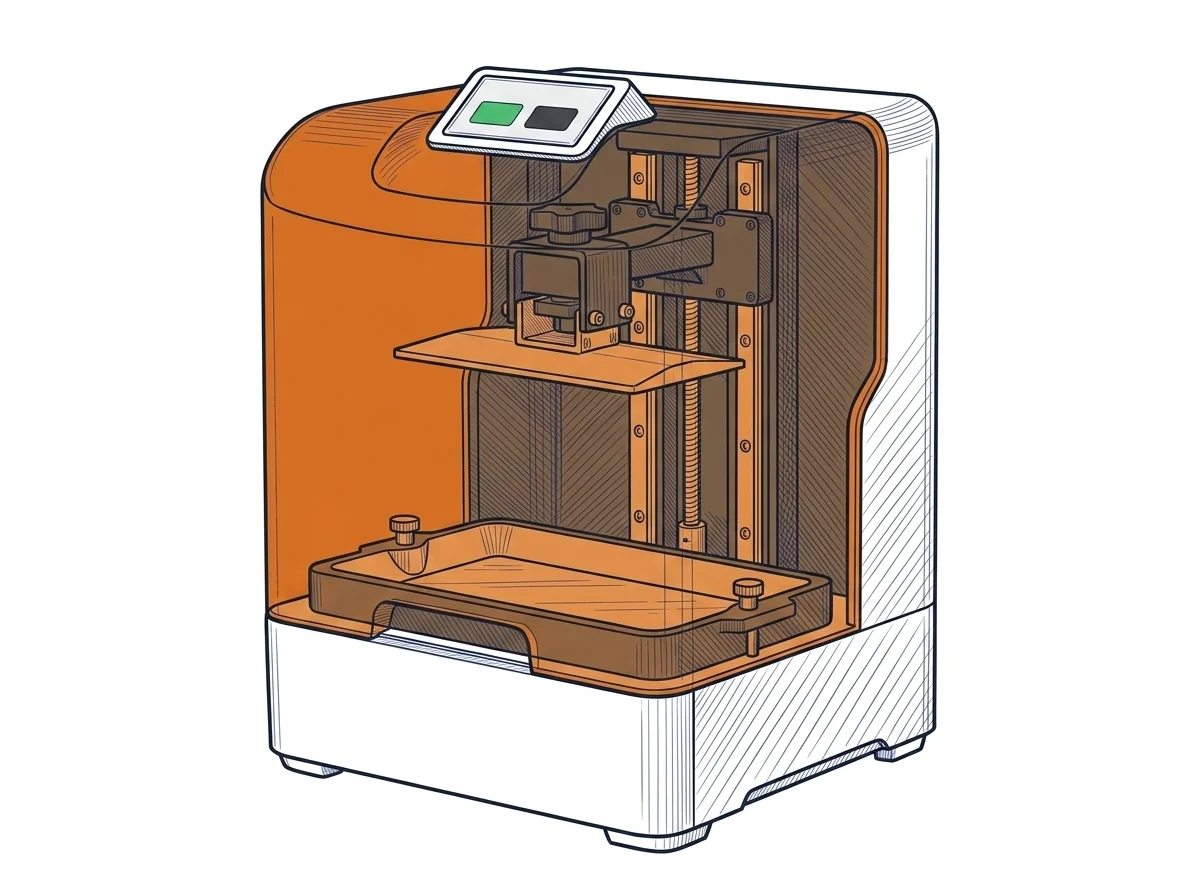
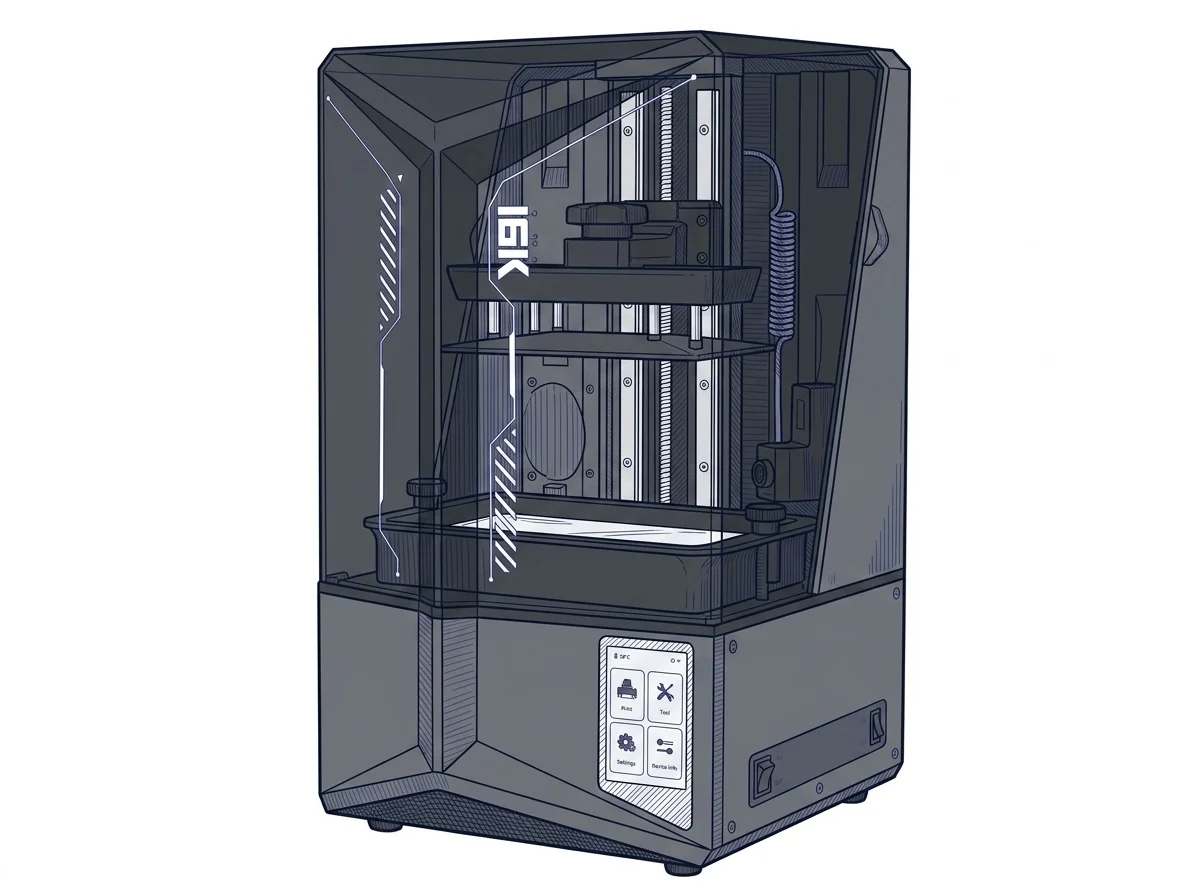
Creality HALOT-X1 and Elegoo Saturn 4 Ultra 16K are both F2-tier resin printers with mono LCD technology, launched in 2025 and 2024 respectively. On the available data the two machines diverge on three points: price, declared precision, and work area; the rest of the specs are close, so the choice comes down to these factors rather than a technology gap.
| Parameter | ||
|---|---|---|
| Identity | ||
| Launch year | 2025 | 2024 |
| Use tier | F2 — Intermediate | F2 — Intermediate |
| Price | ||
| Price (€) | ~499–699 € | 399 € |
| Universal specs | ||
| Dimensions (W×D×H) (cm) | — | 32.74 × 32.92 × 54.8 cm |
| Weight (kg) | — | 14.5 kg |
| Work area (mm) | 211.68 × 118.37 mm | 218.88 × 122.88 mm |
| Z-axis height (mm) | 200 mm | 220 mm |
| Power (W) | 300 W | 144 W |
| Voltage (V) | — | 110 V |
| Maximum speed | 2.833 mm/min | 150 mm/min |
| Declared precision | 14 μm | 19 μm |
| Category specs | ||
| Build area XY (short side) (mm) | 118.37 mm | 122.88 mm |
| XY resolution (µm) | 14 µm | 19 µm |
| Light source | Mono LCD | Mono LCD |
| Print speed (mm/h) | 170 mm/h | 150 mm/h |
| Tilt / peel system | — | Tilt |
| Ecosystem | ||
| Cloud dependency | No | No |
| Software notes | The operational management of the printer relies on a flexible software ecosystem compatible with the main file preparation programs available on the market. Users can utilize both the proprietary application developed by the manufacturer and widespread third-party solutions such as Chitubox or Lychee Slicer, benefiting from preconfigured profiles for optimizing exposure times. Network features allow file transfer and progress monitoring via Wi-Fi or local Ethernet connection. Although network-based remote capabilities are available, the device maintains complete operational independence from the cloud, allowing total workflow management in local mode to protect the confidentiality of technical data. | The system natively supports ChituBox proprietary slicing software, widely adopted in the resin printing industry, ensuring smooth management of supports and exposure parameters. The machine integrates Wi-Fi connection modules that enable remote management and workflow monitoring. Compatibility with open formats ensures operational flexibility with leading third-party programs, allowing users to optimize printing profiles based on the specific resins used, whether standard or engineering-grade. |
The differences that matter
- Price: Creality HALOT-X1 599 € versus Elegoo Saturn 4 Ultra 16K 399 €, a 200 € difference.
- Declared precision: Creality HALOT-X1 14 μm versus Elegoo Saturn 4 Ultra 16K 19 μm, better on the HALOT-X1.
- Work area: Creality HALOT-X1 211.68×118.37 mm versus Elegoo Saturn 4 Ultra 16K 218.88×122.88 mm, slightly larger on the Saturn 4 Ultra 16K.
- On the remaining available data (mono LCD technology, F2 tier, no cloud dependency) the two machines are equivalent.
Which one to choose
Choose HALOT-X1 if…
declared precision is the concrete advantage: 14 μm versus Saturn 4 Ultra 16K's 19 μm, a gap that can justify the higher price (599 € versus 399 €) for work on fine detail.
Choose Saturn 4 Ultra 16K if…
price (399 € versus 599 €) and a slightly larger work area (218.88×122.88 mm versus 211.68×118.37 mm) outweigh declared precision, where the Saturn 4 Ultra 16K trails the HALOT-X1 (19 μm versus 14 μm).
Where to buy
Paid link: the price for you does not change. Methodology
As an Amazon Associate I earn from qualifying purchases.
MakerSpecs is an independent atlas. We don't sell products: the purchase links are the same as on the two product sheets and don't influence the verdict. The sheets have the complete data.