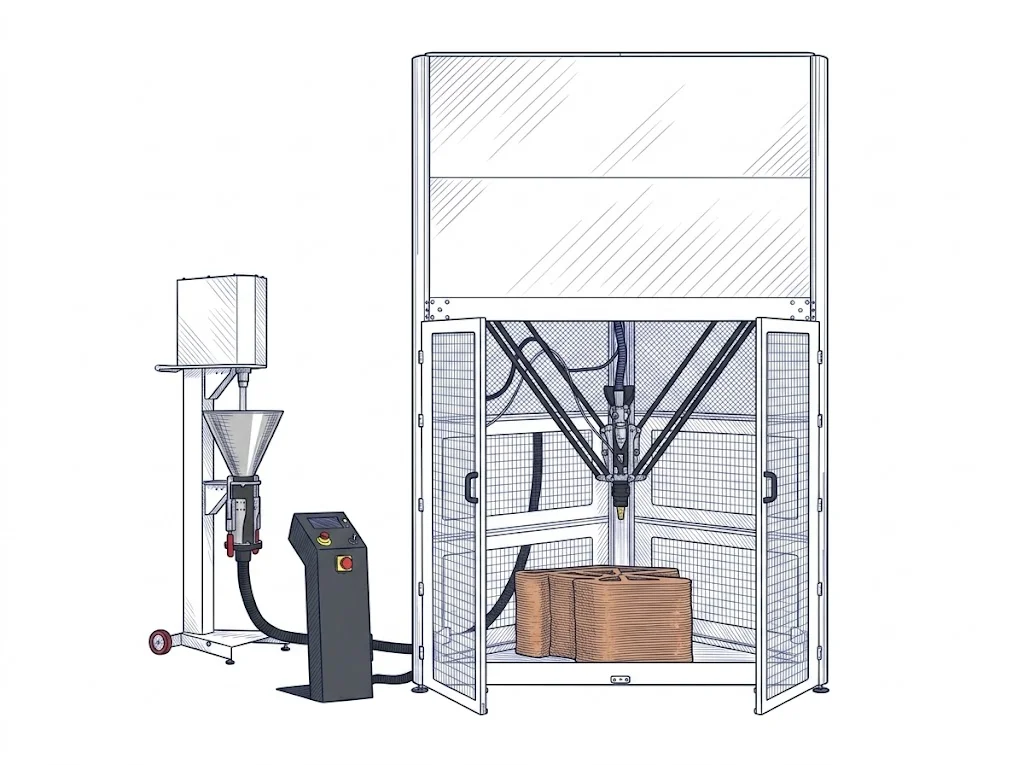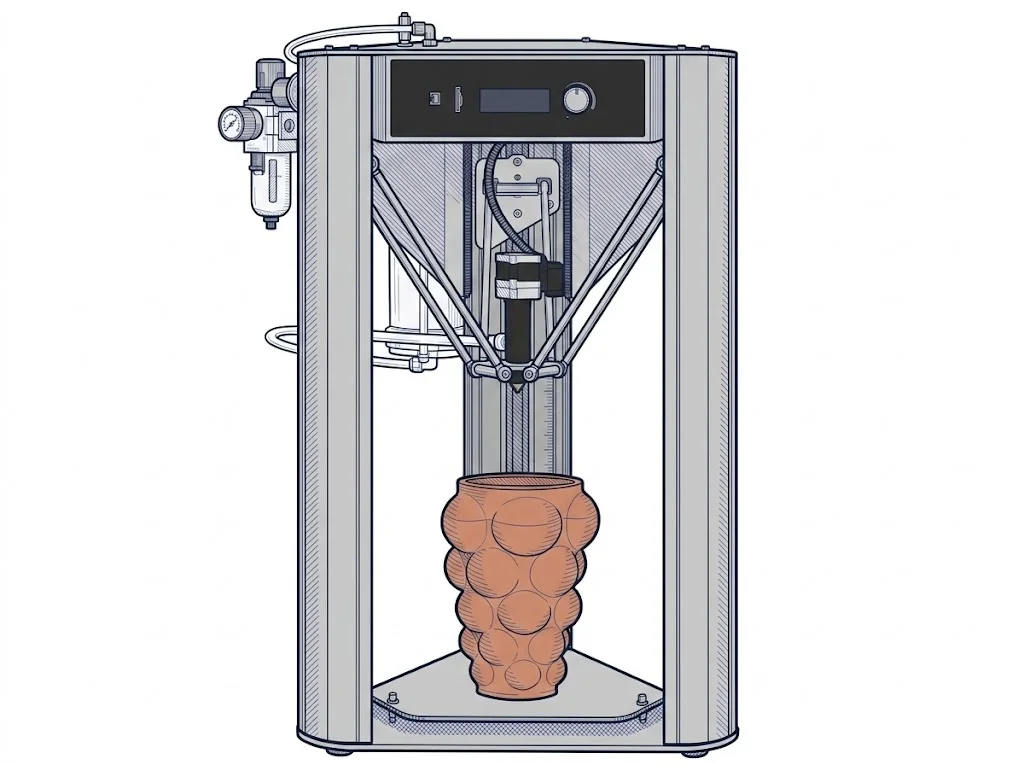
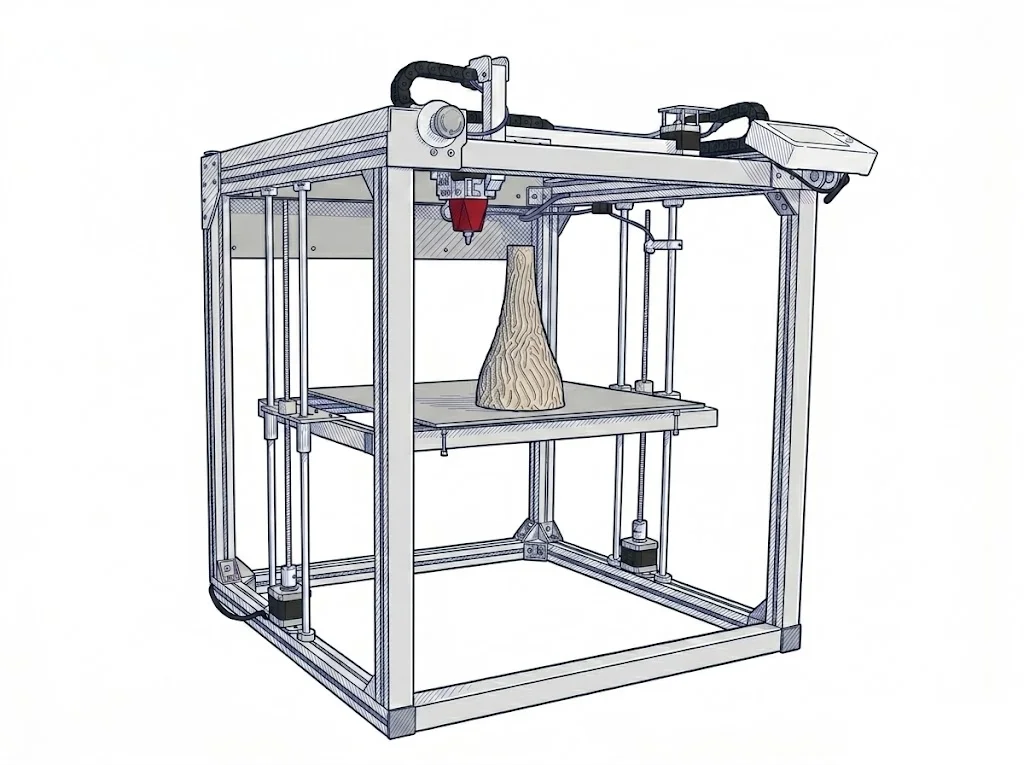
Delta WASP 2040 Clay

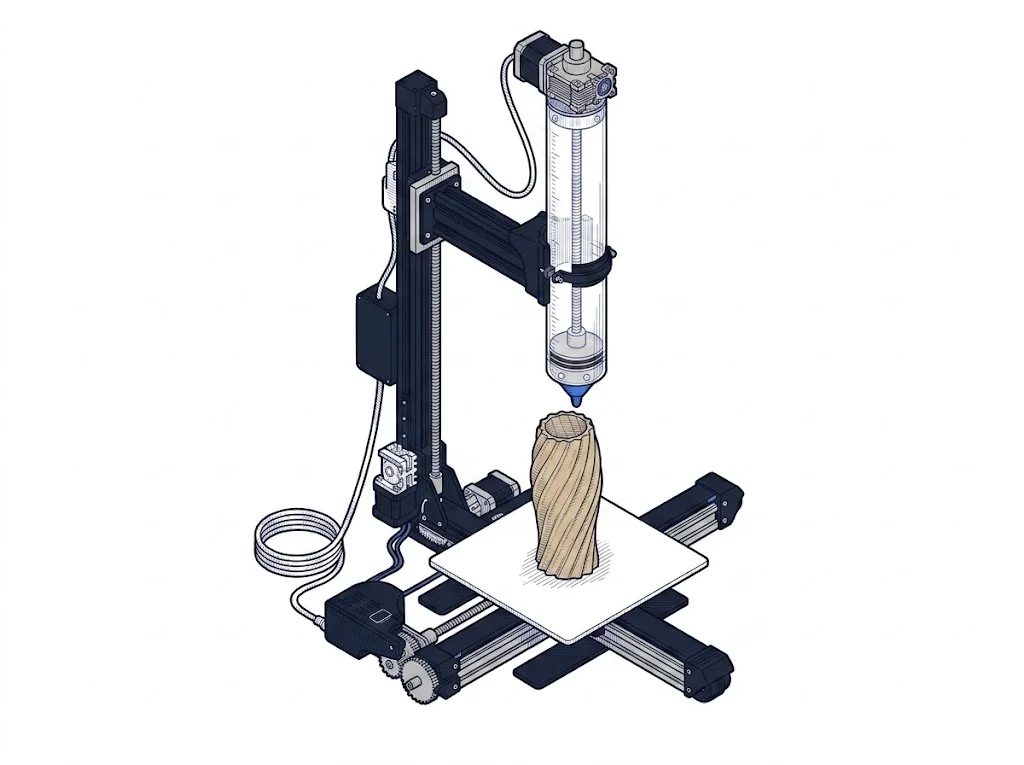
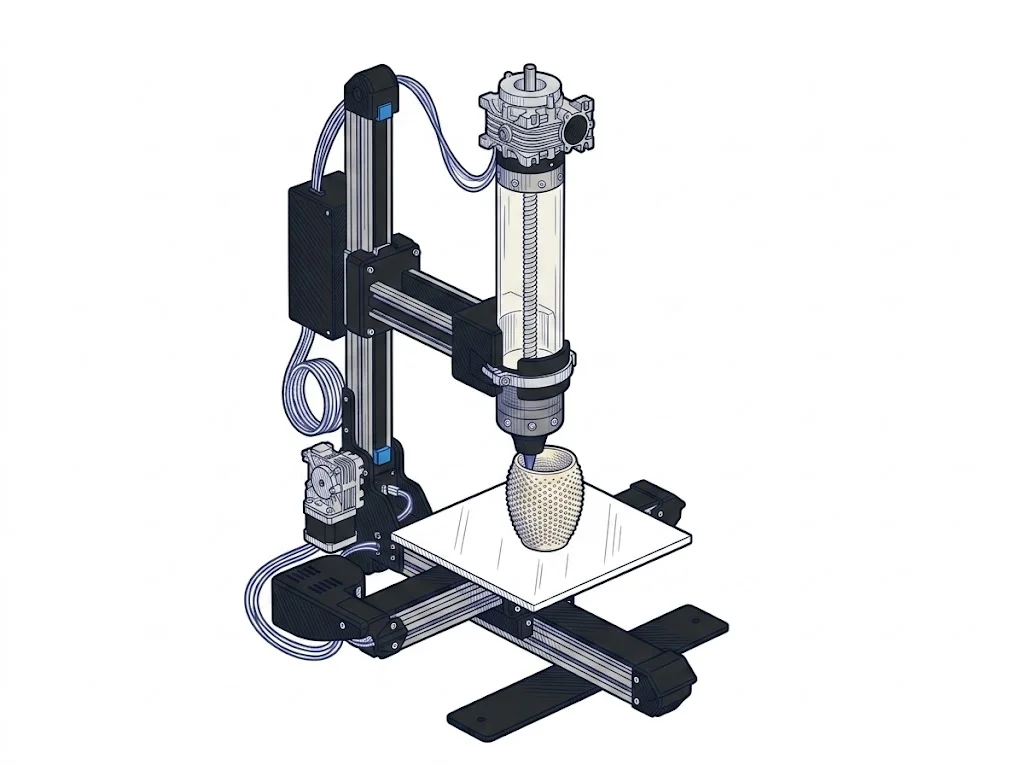
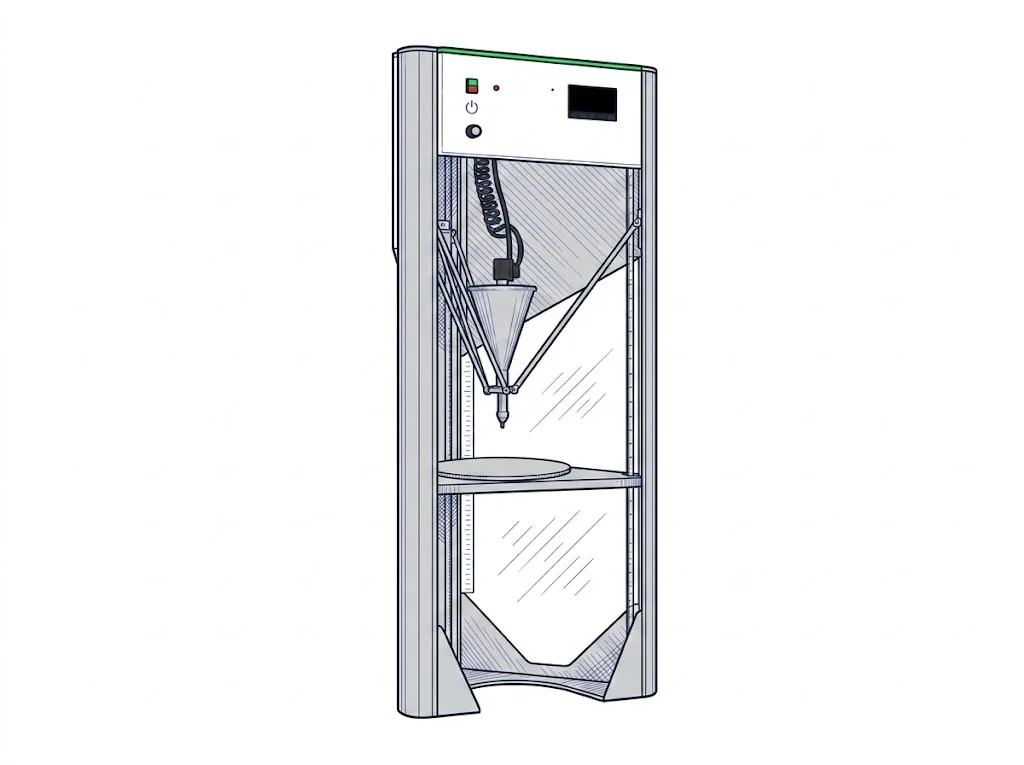
The Delta WASP 2040 Clay is positioned in the professional segment, surpassing budget hobby solutions thanks to its LDM 3.0 extruder, which manages the fluid dynamics of the clay with a flow consistency lacking in improvised syringe extrusion systems. Compared to more expensive industrial machines, it offers a vertical print volume optimized for vases and designs, although it requires the separate purchase of an air compressor for operation. It is the ideal tool for artisans and prototyping workshops that require repeatability and structural stability superior to that guaranteed by low-cost, home-built kits.

Data from official source
Wasp Delta WASP 2040 Clay — 3D printing with clay & ceramics
MACHINE PRICE
3300 € ≈ $3,564

MakerSpecs is an independent atlas. We don't sell products.

Work area 200 × 200 mm (7.9 × 7.9 in)
Power 180 W
Dimensions 49 × 44 × 87 cm (19.3 × 17.3 × 34.3 in)
Weight 40.0 kg (88.2 lb)
Parameter Value Source
Machine dimensions 49 × 44 × 87 cm (19.3 × 17.3 × 34.3 in) manufacturer website
Weight 40.0 kg (88.2 lb) manufacturer website
Power supply 220 V / 50 Hz / 180 W manufacturer website
Work area 200 × 200 × 400 mm (7.9 × 7.9 × 15.7 in) manufacturer website
Maximum speed 150 mm/s manufacturer website
Declared precision 0.5 mm manufacturer website

Material compatibilities will be available in a future version.

Software

The firmware is based on open architecture, ensuring compatibility with major slicers such as Ultimaker Cura and Slic3r. The official ecosystem is optimized for Simplify3D, which allows granular control over retraction and ceramic printing parameters. Users also have access to the WASP application, designed for parametric generation of complex geometric shapes specifically for clay processing.

Reviews from those who use this machine every day will be available in the next version of the platform.

How we verify this sheet

Technical data verified on the manufacturer's official website (recording date shown above). Editorial notes, market positioning and anomaly flags are assisted by the MakerSpecs AI system as a second reader, always validated by the author before publication. Read the full methodology →

Updates to this sheet and Manufacturer Notes
  1. Sheet published