Tumbling & vibratory finishing
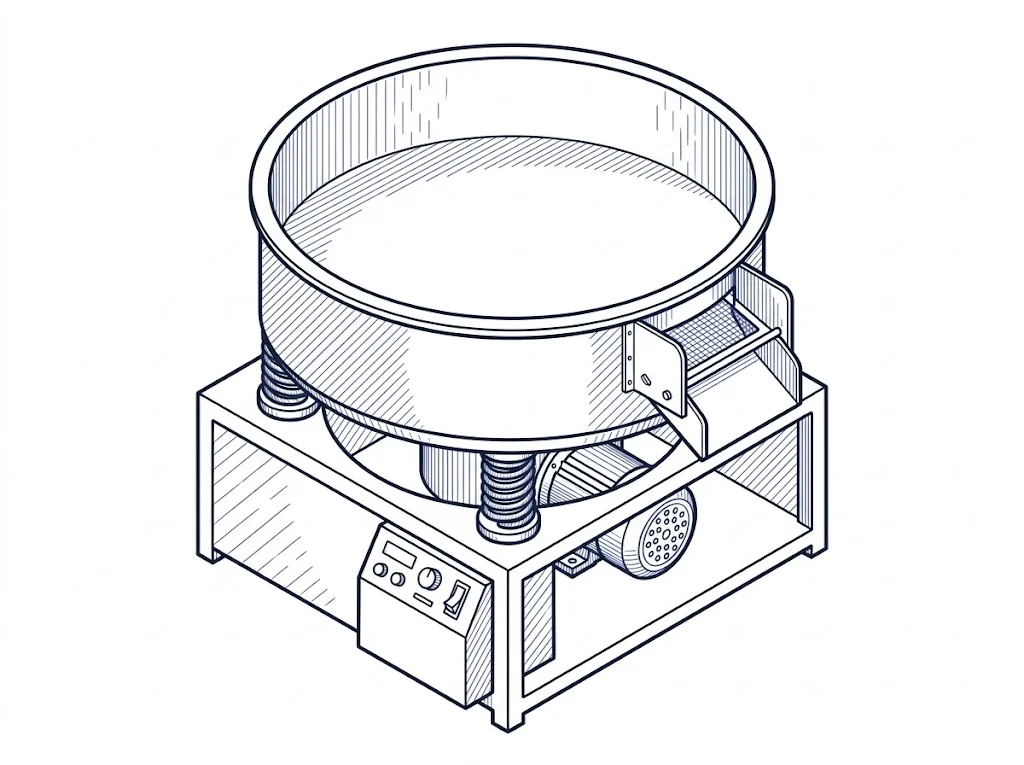
Tumbling and vibratory finishing are mass finishing processes in which parts are introduced into a container together with abrasive media — ceramic, plastic, steel, walnut shells — and set in motion: the continuous friction between media and parts removes burrs, rounds sharp edges, smooths surfaces and can polish to a mirror finish, without manual intervention on each individual piece. The difference between the two systems lies in the motion: classic barrel tumbling uses a rotating drum; vibratory finishing uses a vibrating tray or bowl.
The advantages are scalability — hundreds of parts processed simultaneously — and consistency of results, eliminating the variability of manual work. The process is widely used in jewellery, metal fabrication, automotive and aerospace component production, and post-processing of 3D-printed parts (SLS, SLA). The choice of media (shape, material, grit), process compound and cycle time are the key parameters for obtaining the desired finish.
What to prioritize when choosing
-
1Tank volume
-
2Motion type
-
3Included media
Machines for this process
No sheets published here yet.
We're verifying the first machines for this process. In the meantime you can browse the whole atlas →