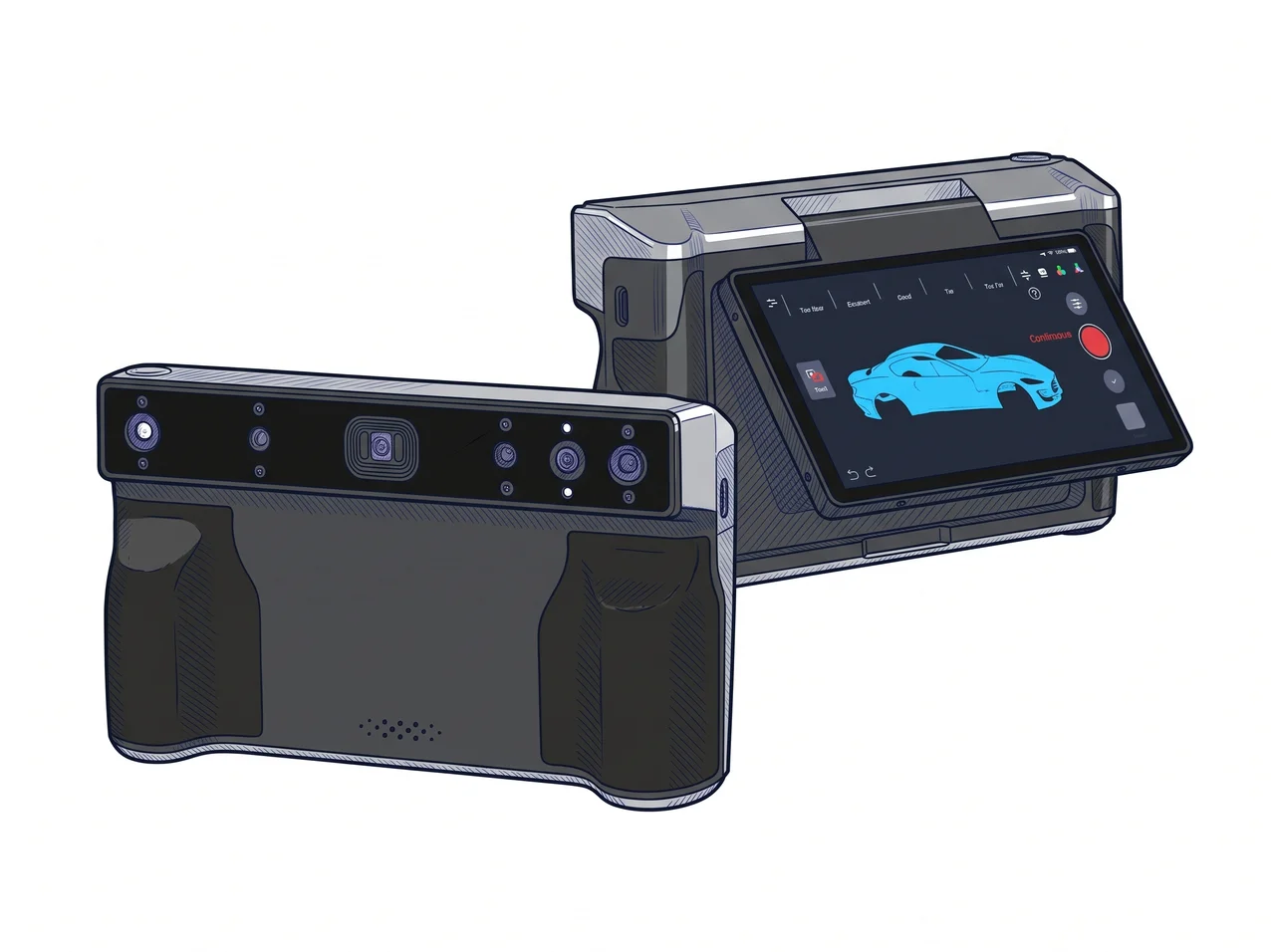
3D scanning
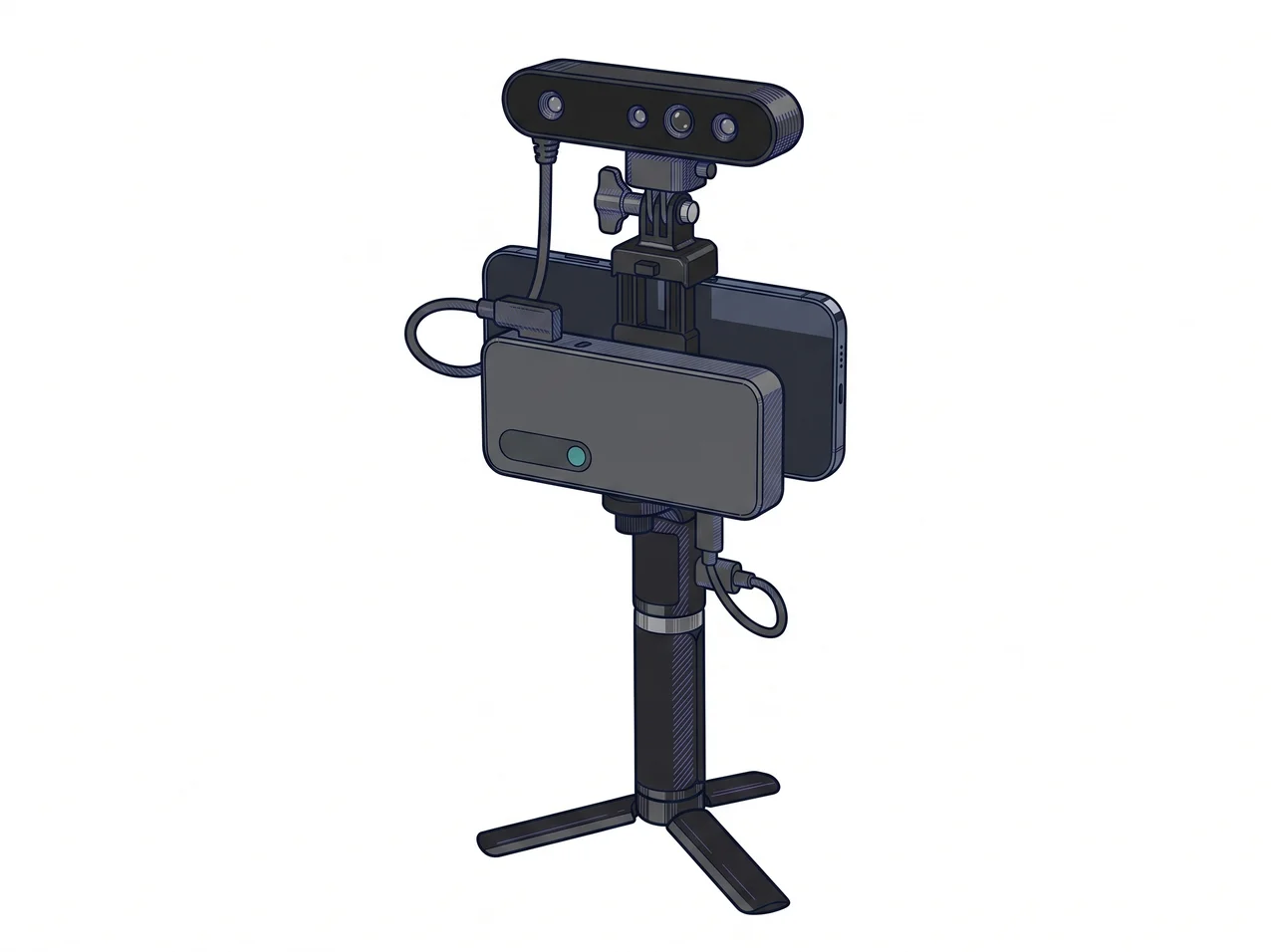
CR-Scan Ferret Pro
Weight
0.105 kg (0.2 lb)
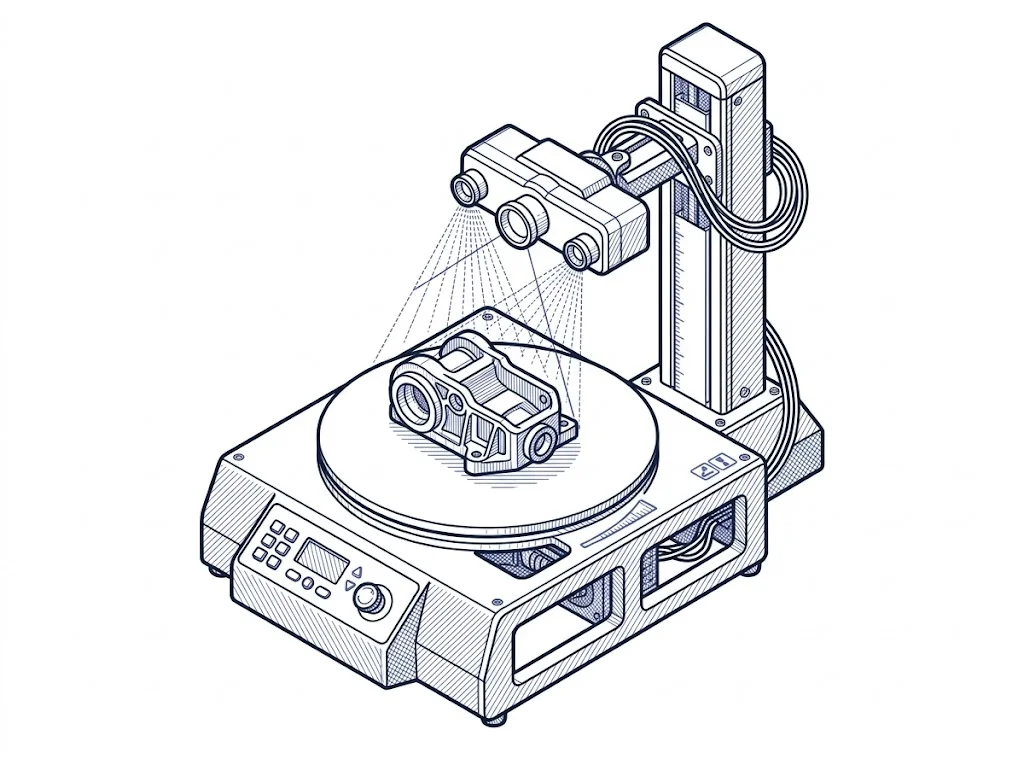
A 3D scanner is an optical or laser measurement tool that captures the three-dimensional geometry of physical objects, returning a dense point cloud — millions of XYZ coordinates — from which a high-fidelity polygon mesh or NURBS model is reconstructed. The acquisition principle varies by technology: structured light projects fringe patterns onto the part and triangulates their deformations to derive the shape; laser triangulation uses a plane of light with angular reading; ToF (time-of-flight) measures the return time of laser pulses for large objects.
In the maker and professional context, the 3D scanner is the tool of choice for reverse engineering (capturing a physical object to recreate its CAD), quality control (mesh vs. reference CAD comparison), digitisation of artefacts and out-of-production spare parts, and body scanning for custom applications. Common export formats are STL, OBJ, PLY and STEP.