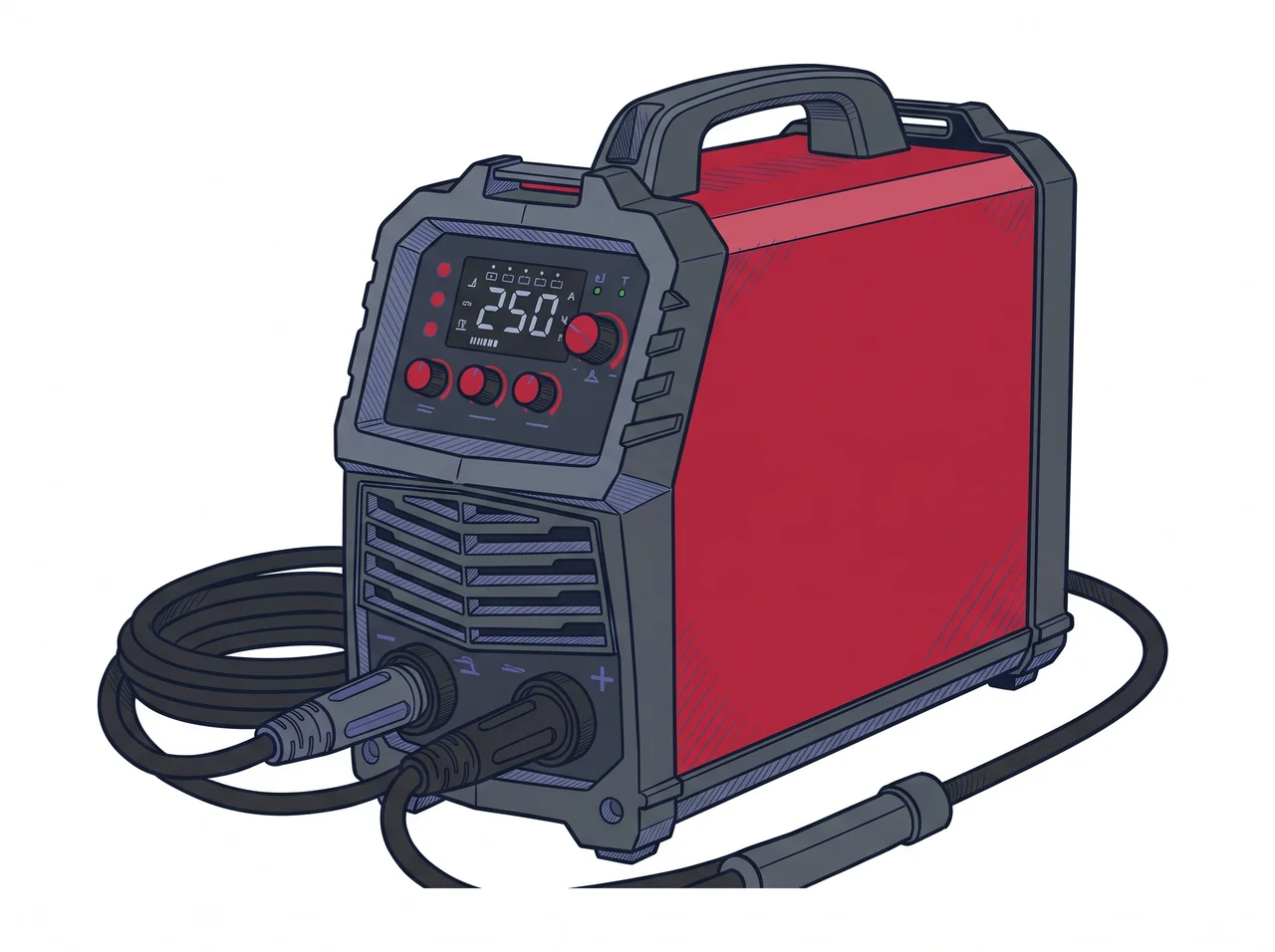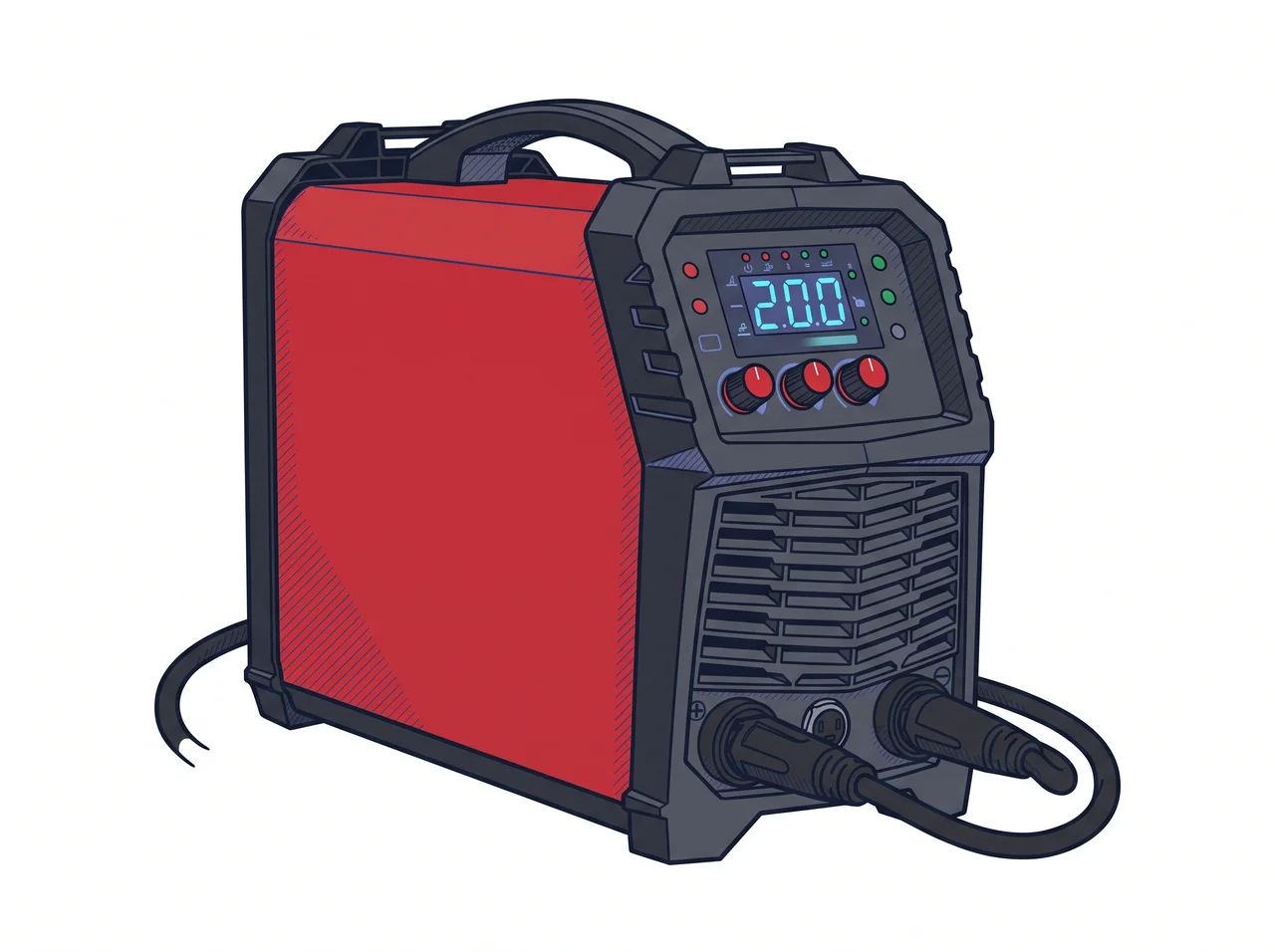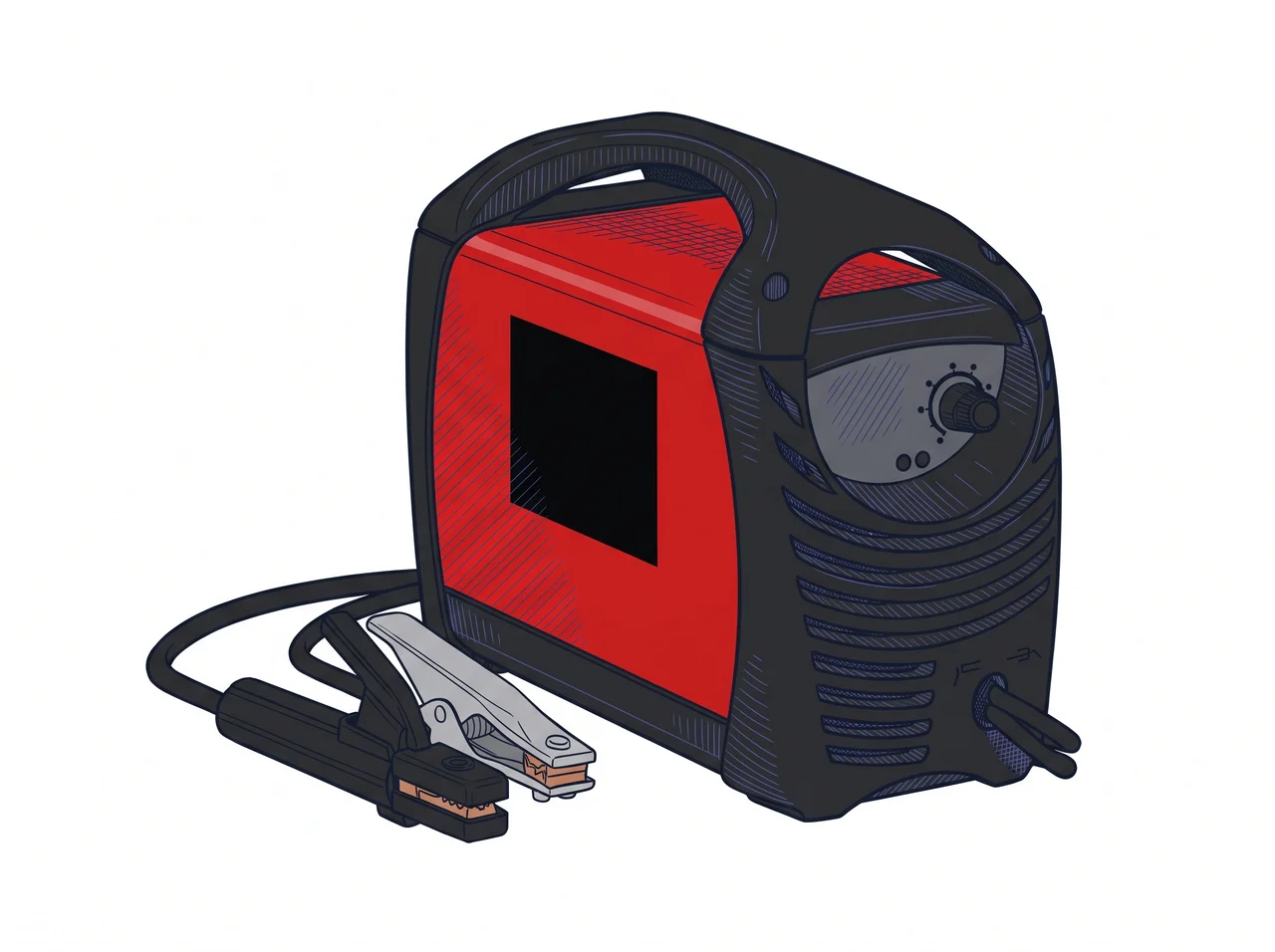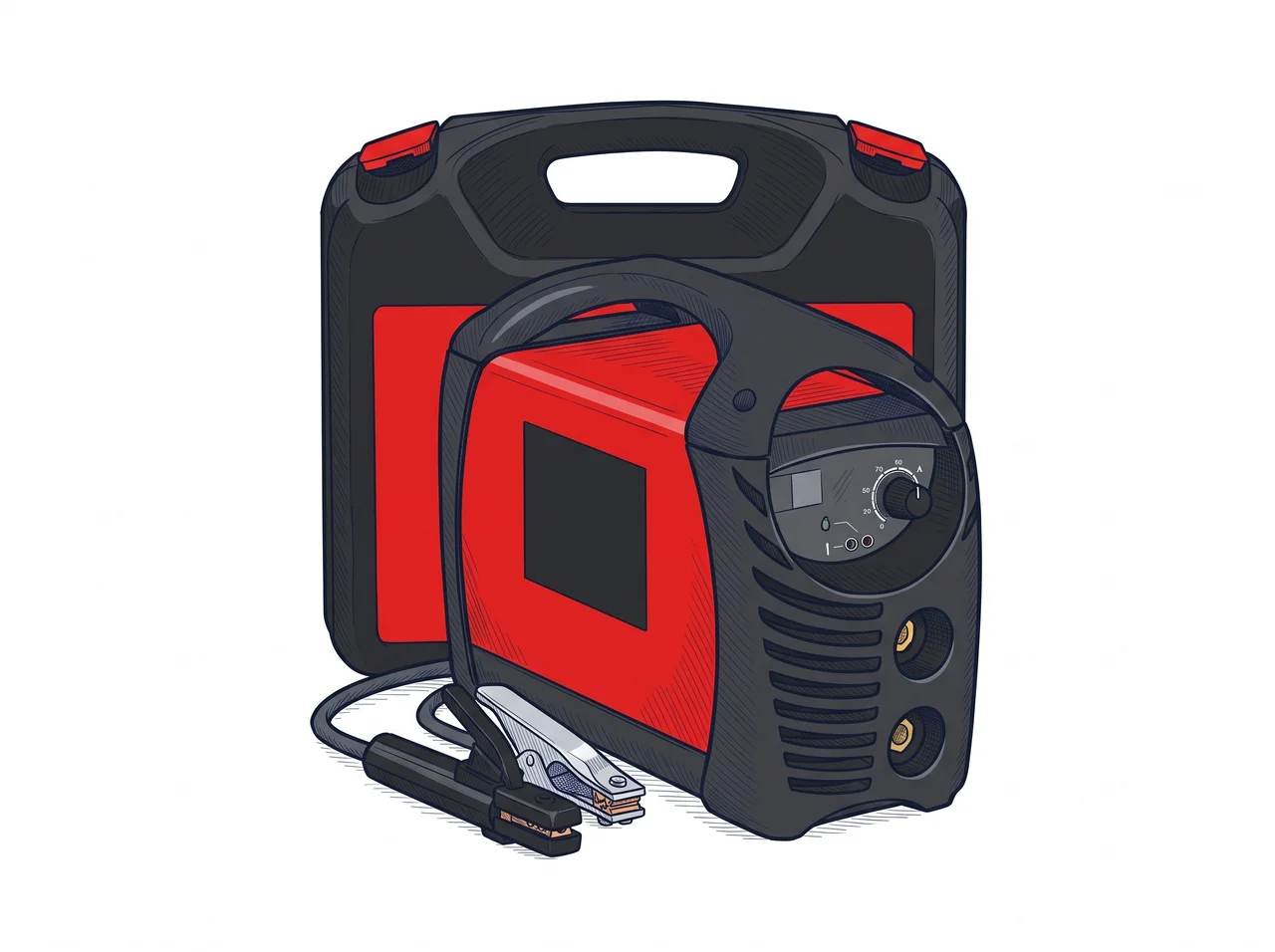
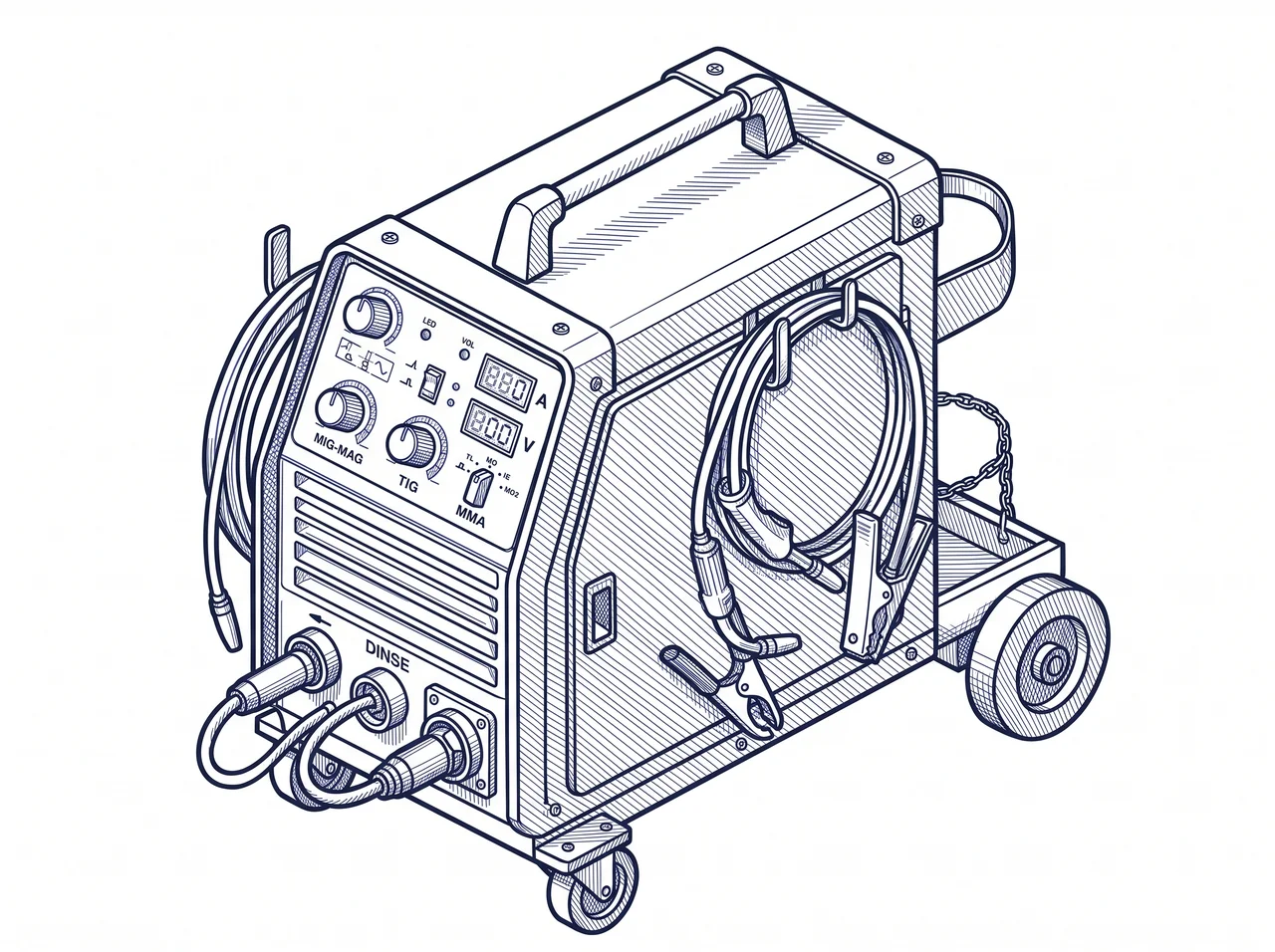
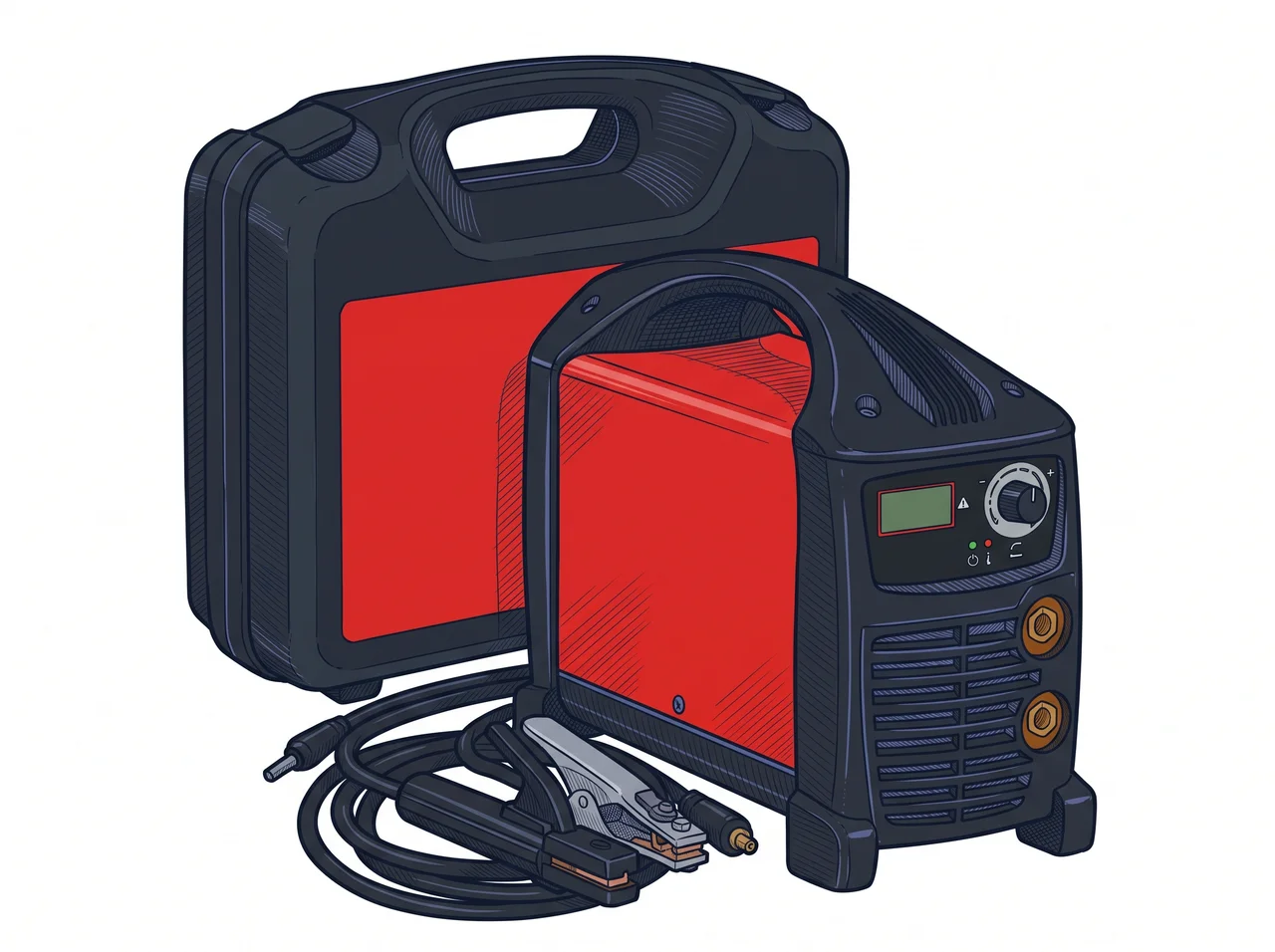
MMA welding (stick/SMAW)
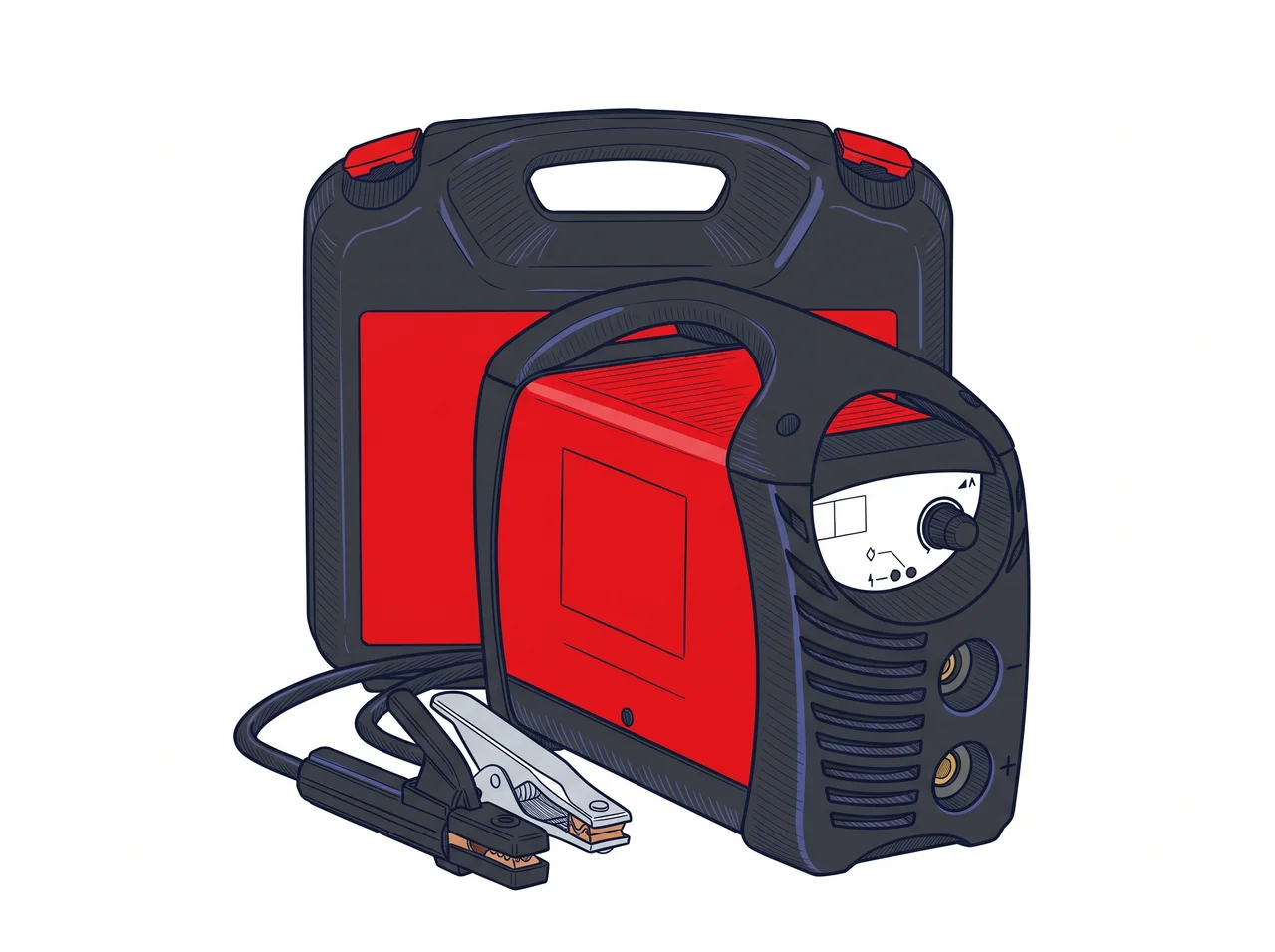
Tecnica 211/S + Carry Case
Power
5600 W
Weight
5.81 kg (12.8 lb)
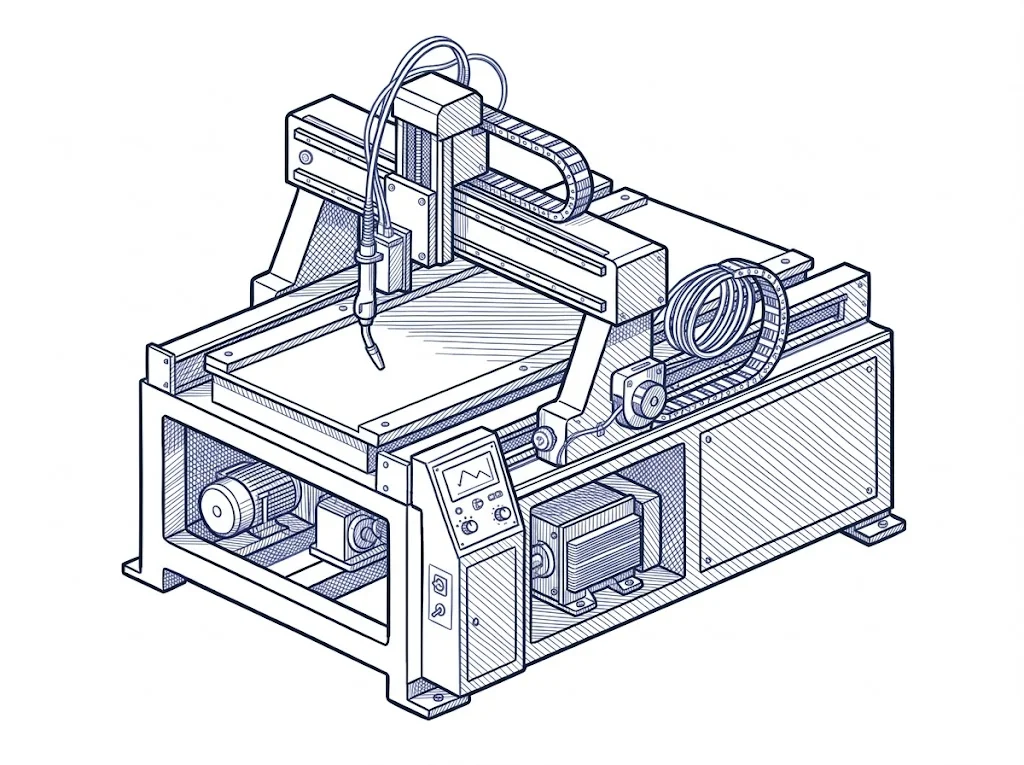
Arc welding is the family of joining processes in which the heat source is an electric arc generated between an electrode and the base metal: the extremely high temperature of the arc (4,000–20,000 K) locally melts the edges to be joined and often a filler material as well, creating upon solidification a metallurgically continuous weld bead of high mechanical strength.
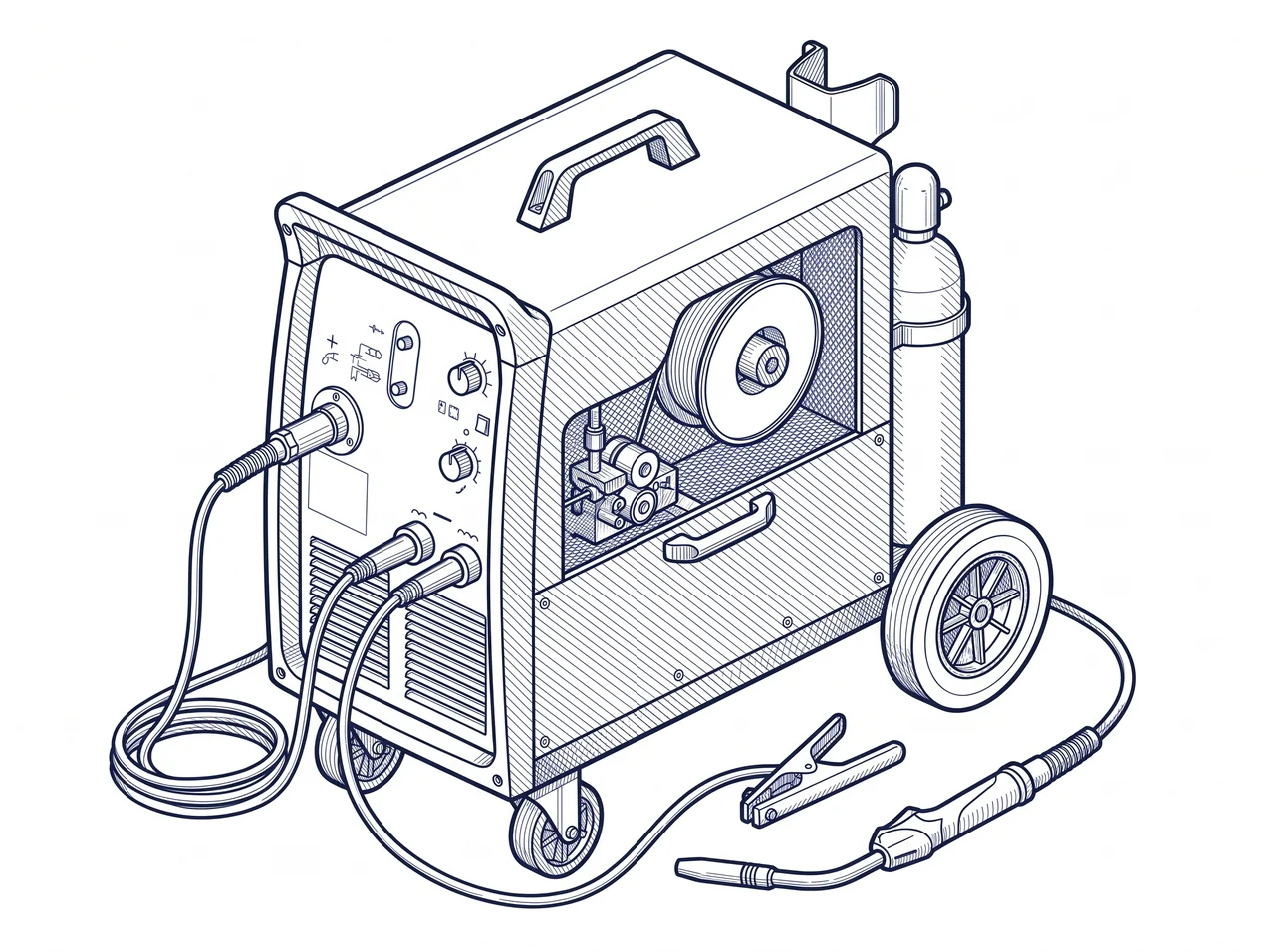
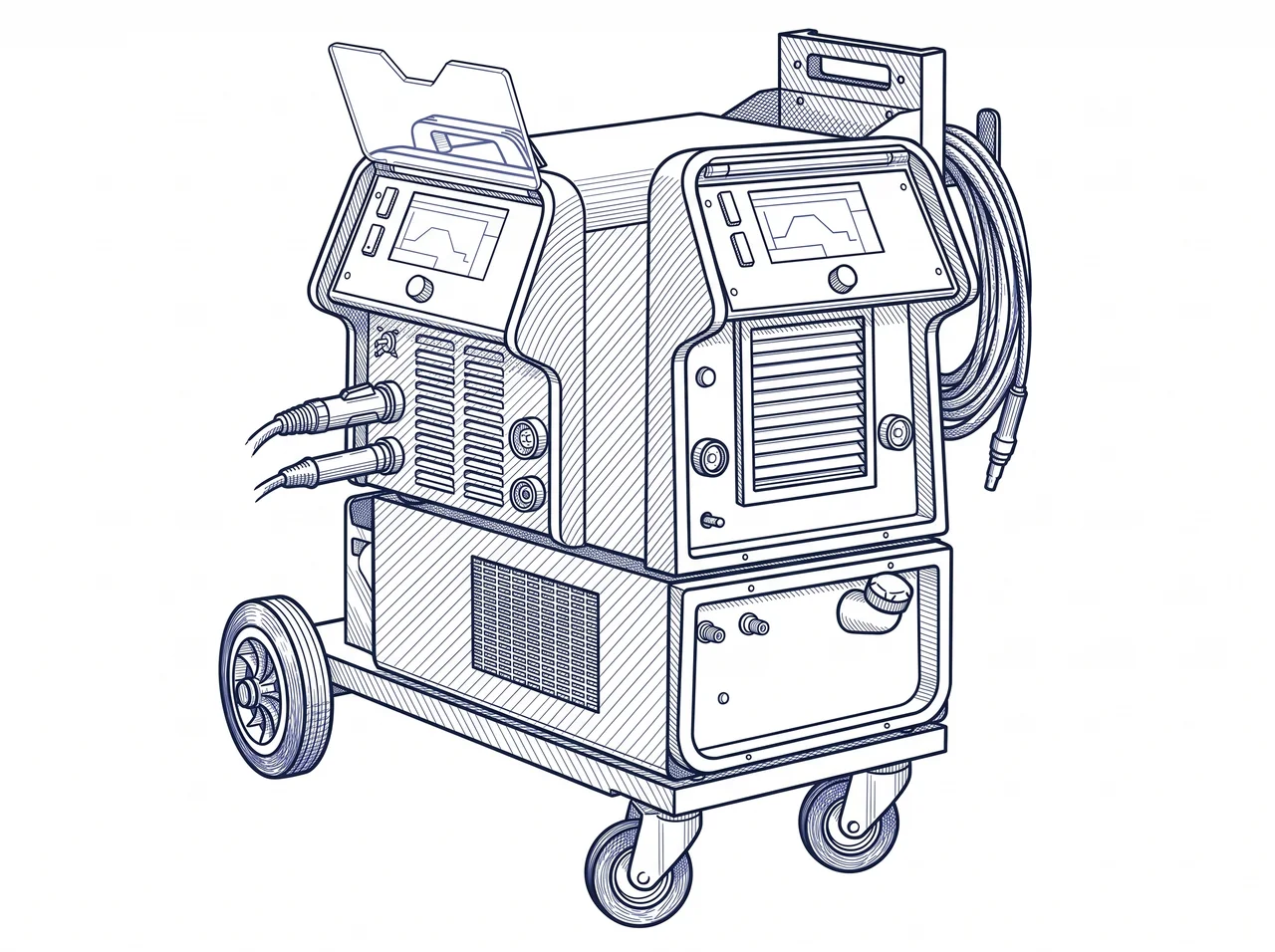
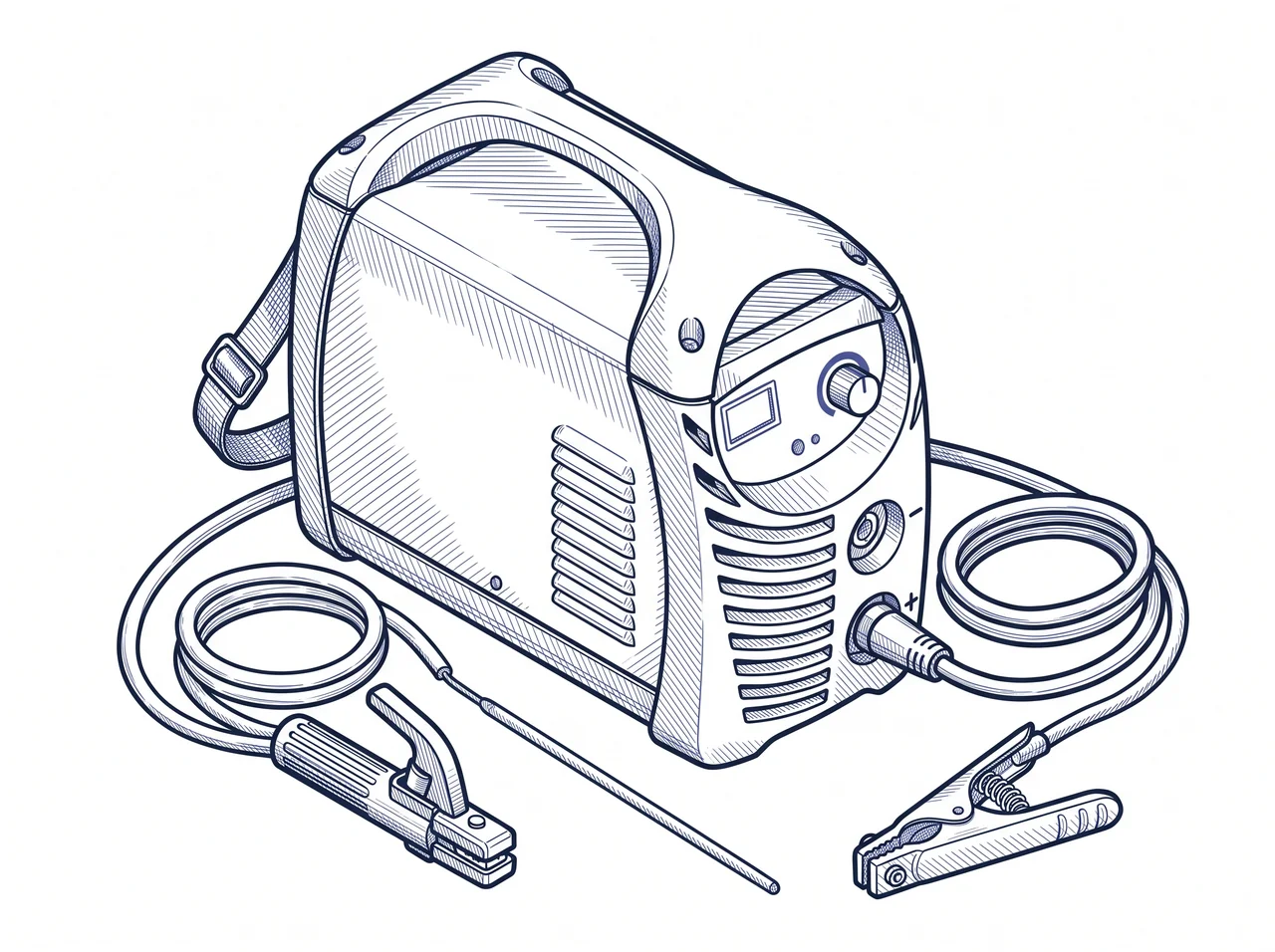
The main variants are distinguished by electrode type and shielding: MIG/MAG welding (continuous wire under inert or active gas shielding) is the most widespread in the workshop for its speed and ease of automation; TIG (non-consumable tungsten electrode with a separate filler rod) guarantees beads of extremely high aesthetic quality on stainless steel and aluminium; MMA (coated electrode) is the most robust and portable solution, suited to site work and repair. In the maker context, compact multi-process welders combine several modes in a single machine, lowering the entry barrier to technologies once reserved for industry.