CNC milling
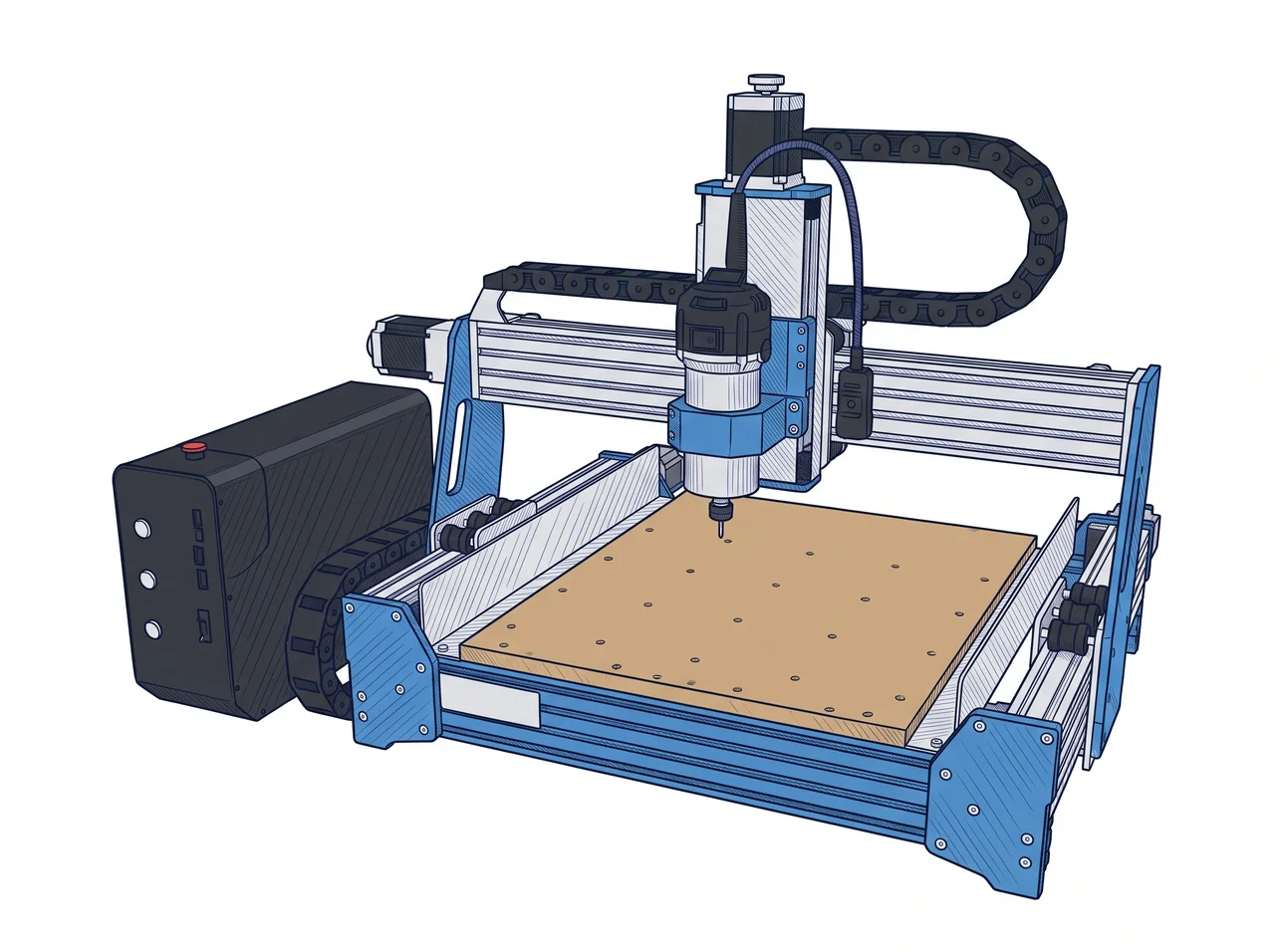
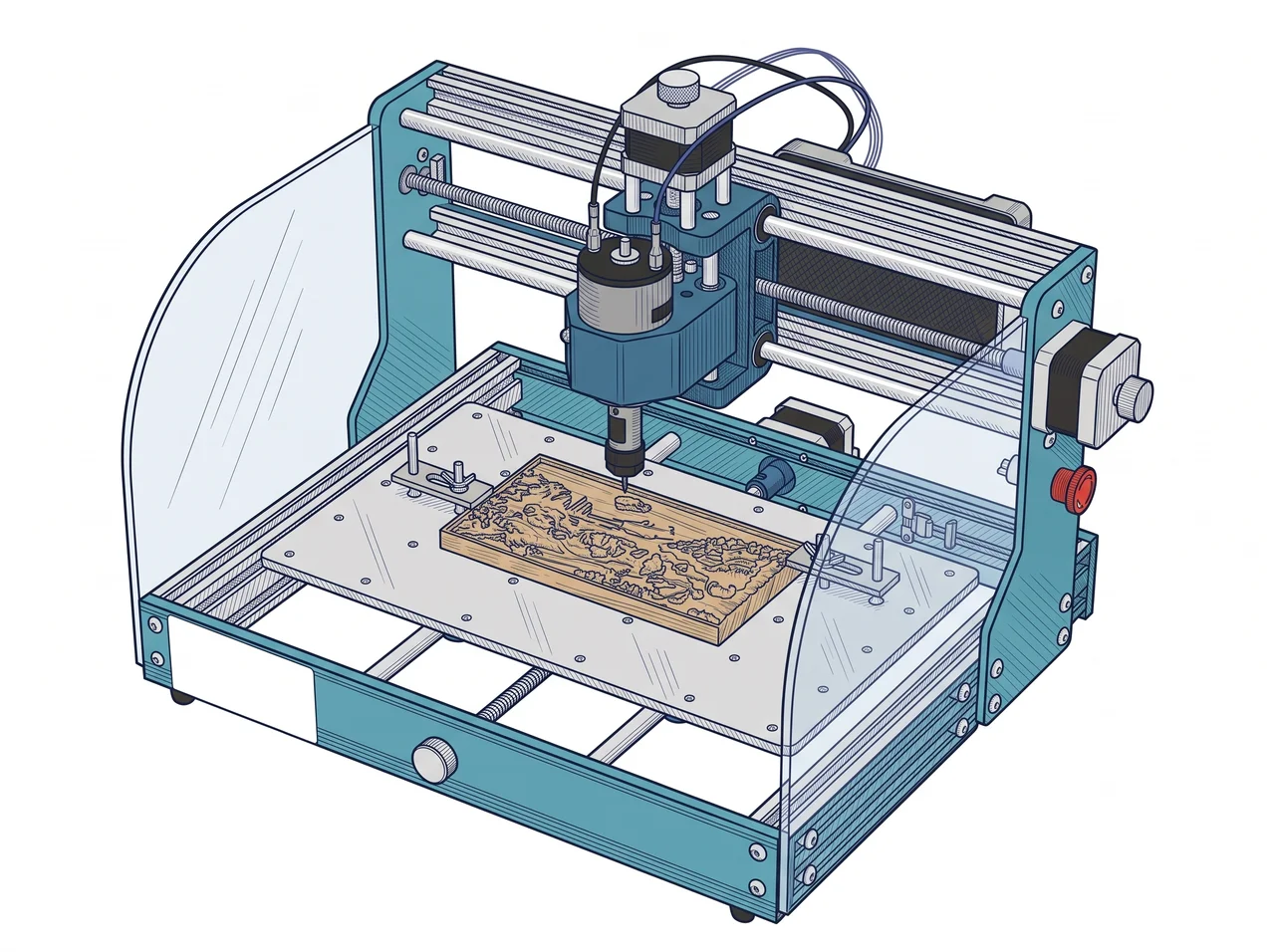
3018-PROVer V2
Work area
290 × 180 mm (11.4 × 7.1 in)

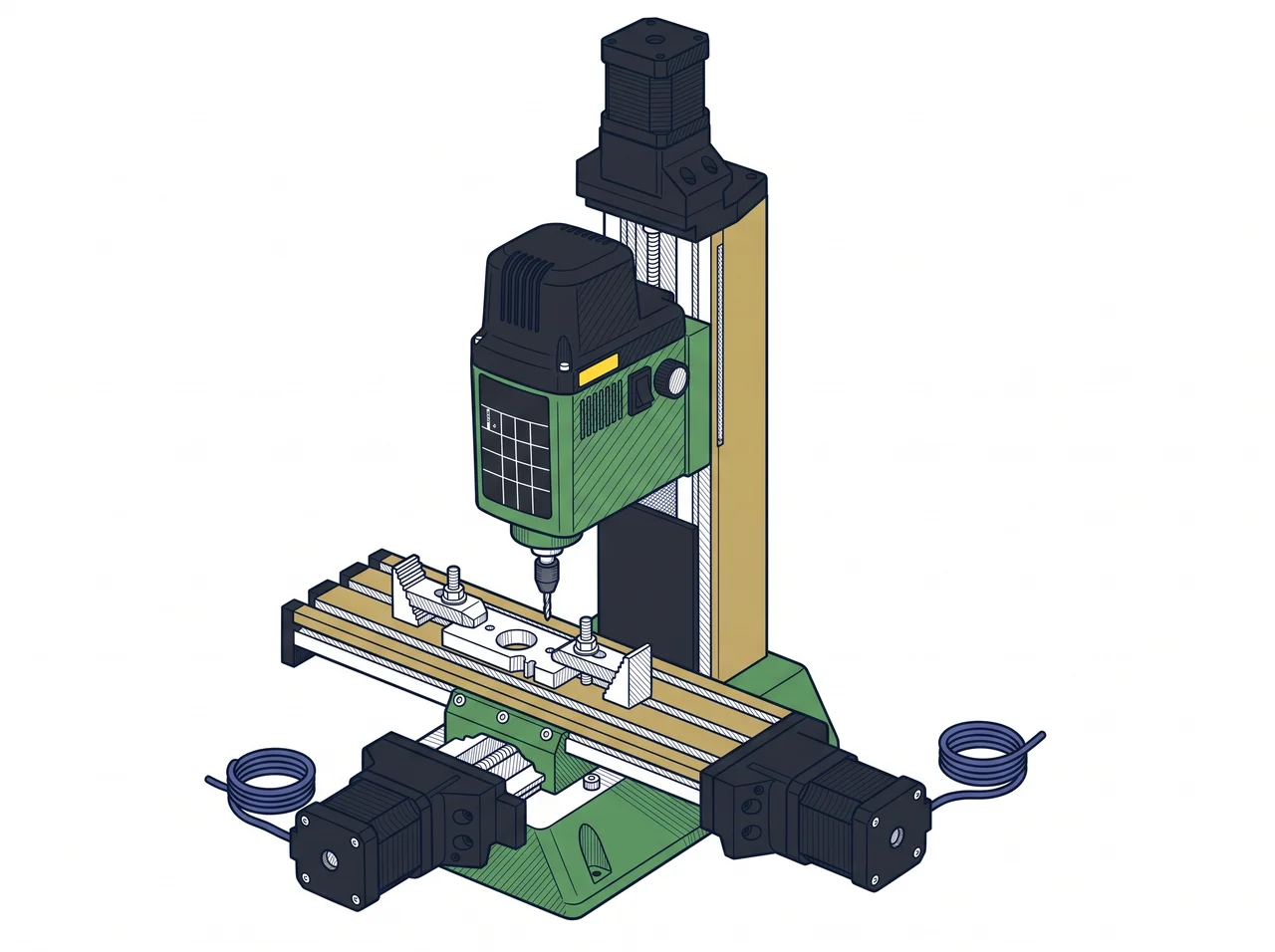
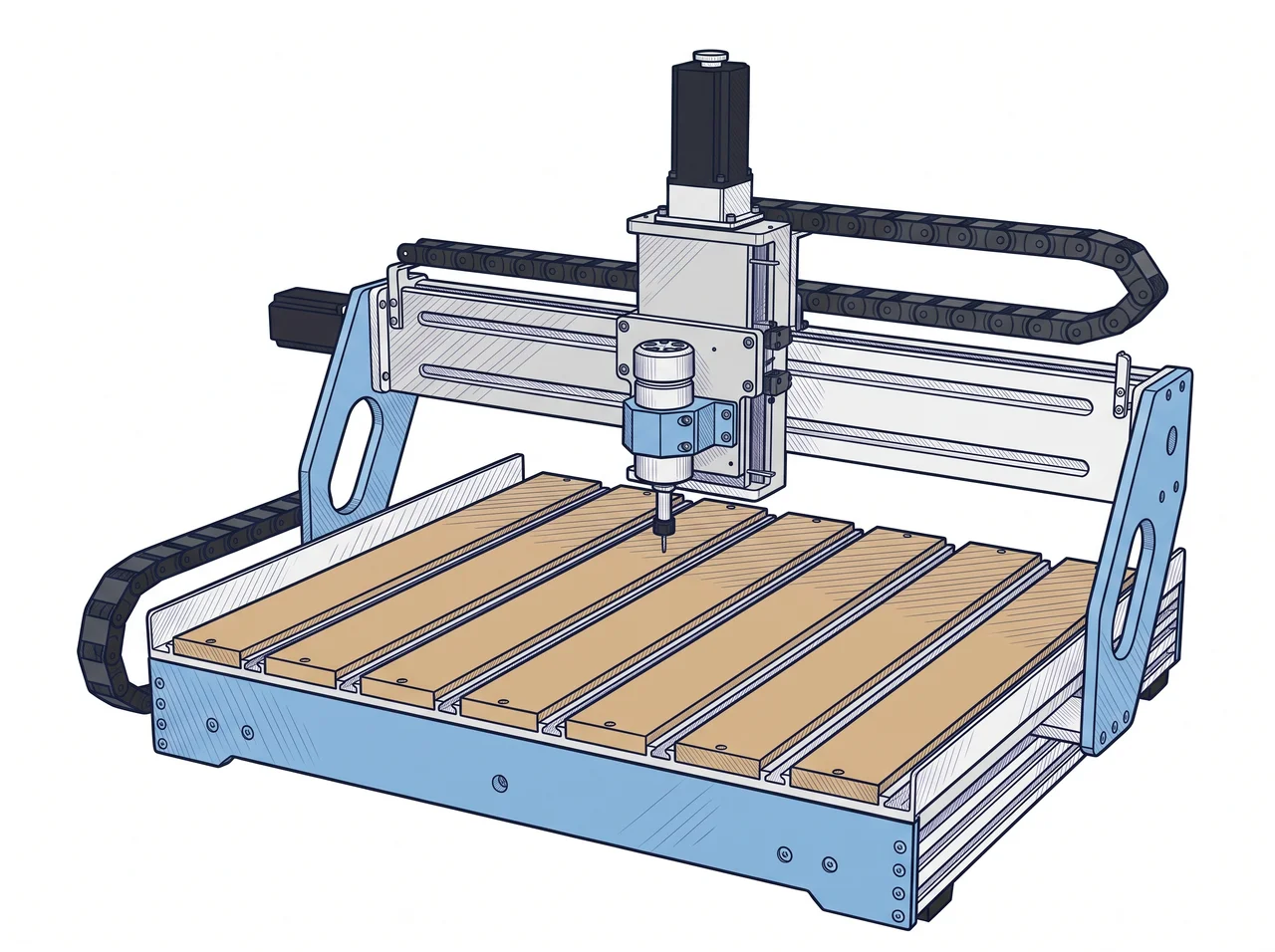
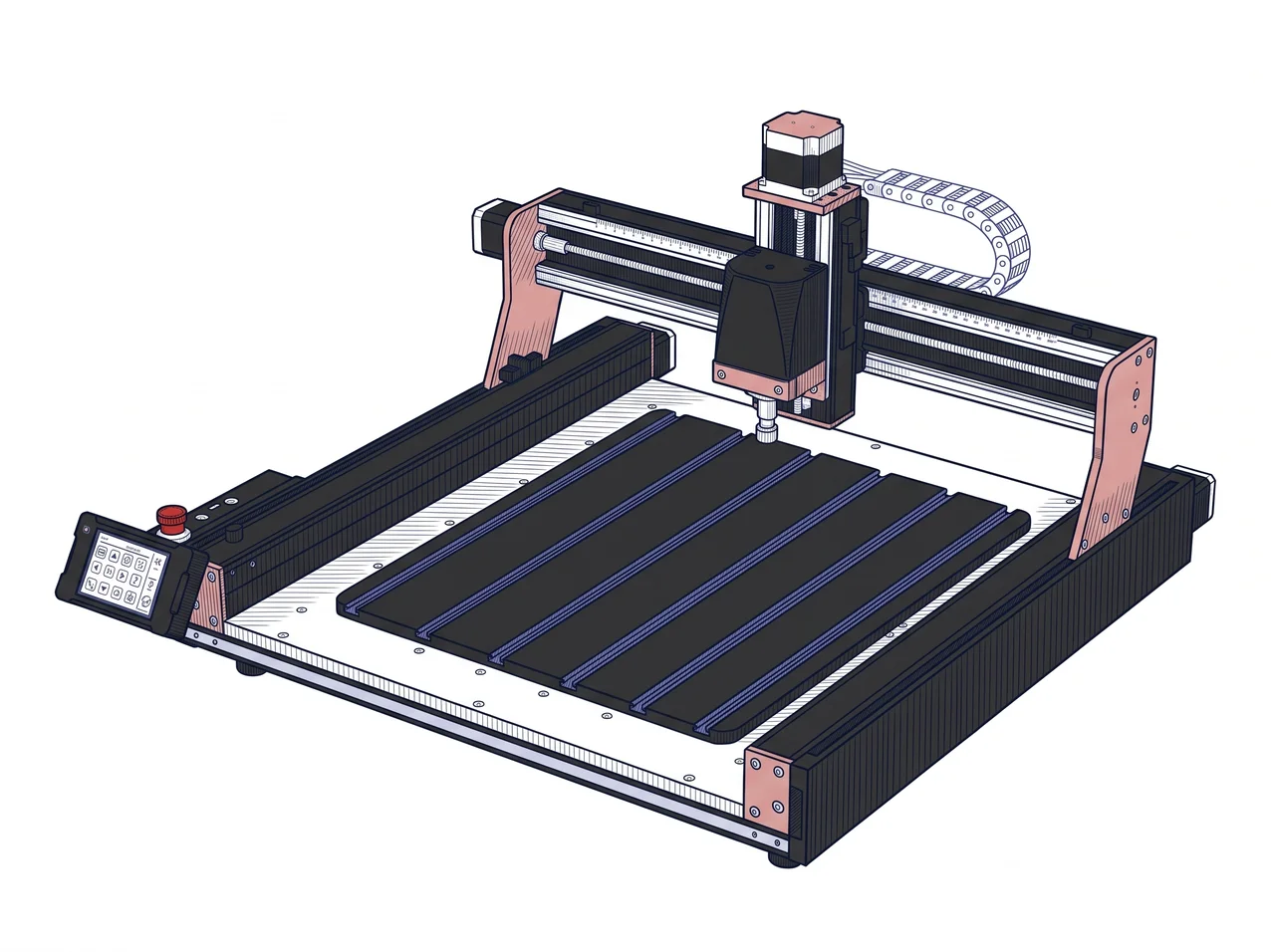
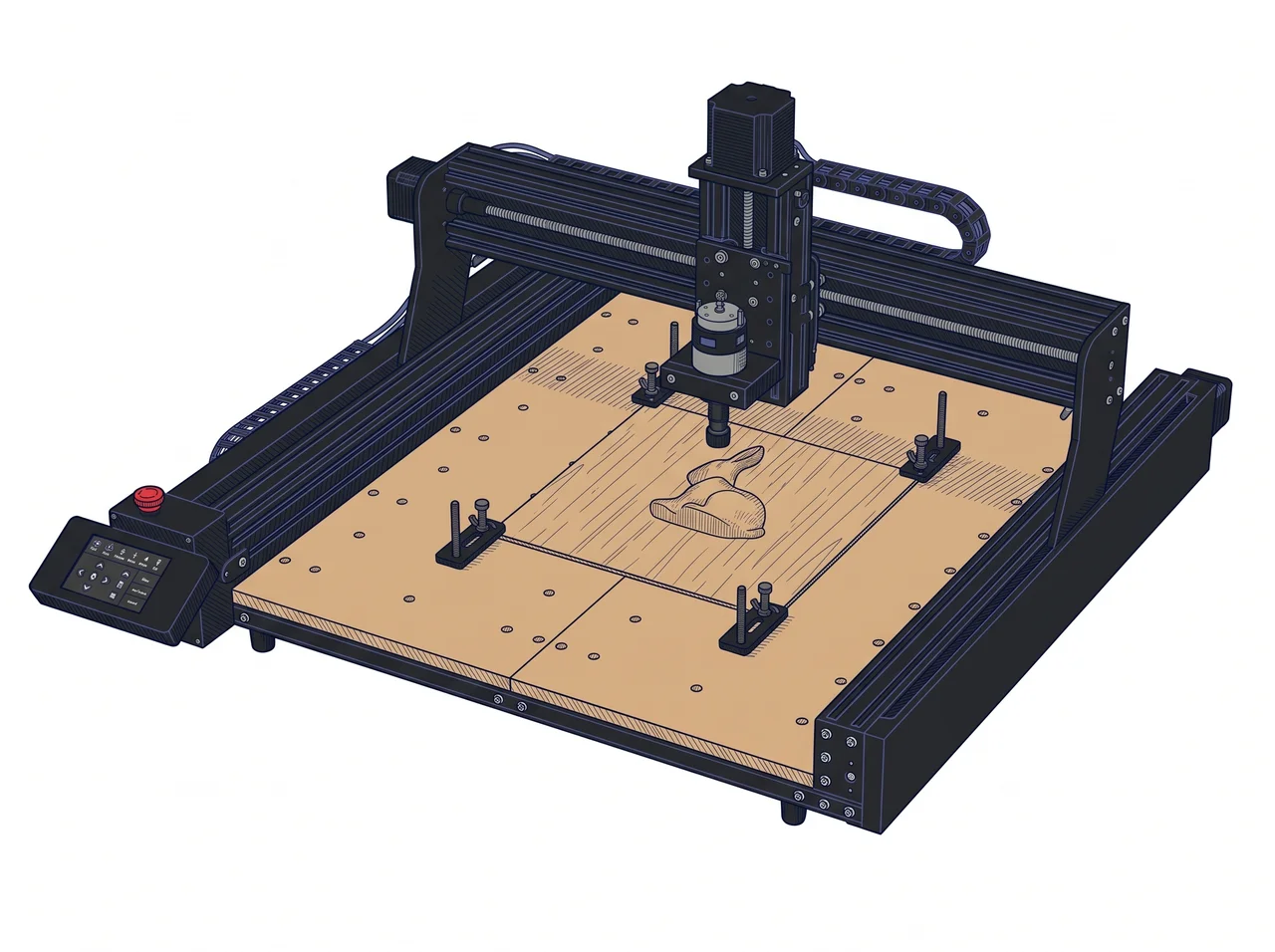
CNC milling (Computer Numerical Control) is the definitive computer-controlled subtractive technology: a motorised spindle carries interchangeable cutters—end mills, ball-nose cutters, drills—that engage the material along three-dimensional tool paths programmed in CAM, typically achieving tolerances of ±0.01 mm. Unlike turning, where the workpiece rotates, here the tool moves relative to a stationary workpiece (or one repositioned on rotary/tilt tables in 4- to 5-axis machining centres), making it possible to produce any planar, contoured or volumetric geometry. Machinable materials range from aluminium and its alloys to stainless steel, from MDF and solid wood to CFRP composites, from engineering resins to modelling wax. In the maker space, desktop CNC machines (such as Shapeoko, Nomad, openBuilds) bring milling into the home workshop at accessible sizes and costs, while retaining the dimensional quality that sets them clearly apart from 3D printing for mechanically critical applications.