Lithoz CeraFab System S25 vs Lithoz CeraMax Vario V900
Technical comparison · 3D printing with clay & ceramics
CeraMax Vario V900 leads on the available specs (starting with work area); CeraFab System S25 makes sense only for non-technical reasons (availability, support, ecosystem), or if the missing data matters in your case.
| Parameter |
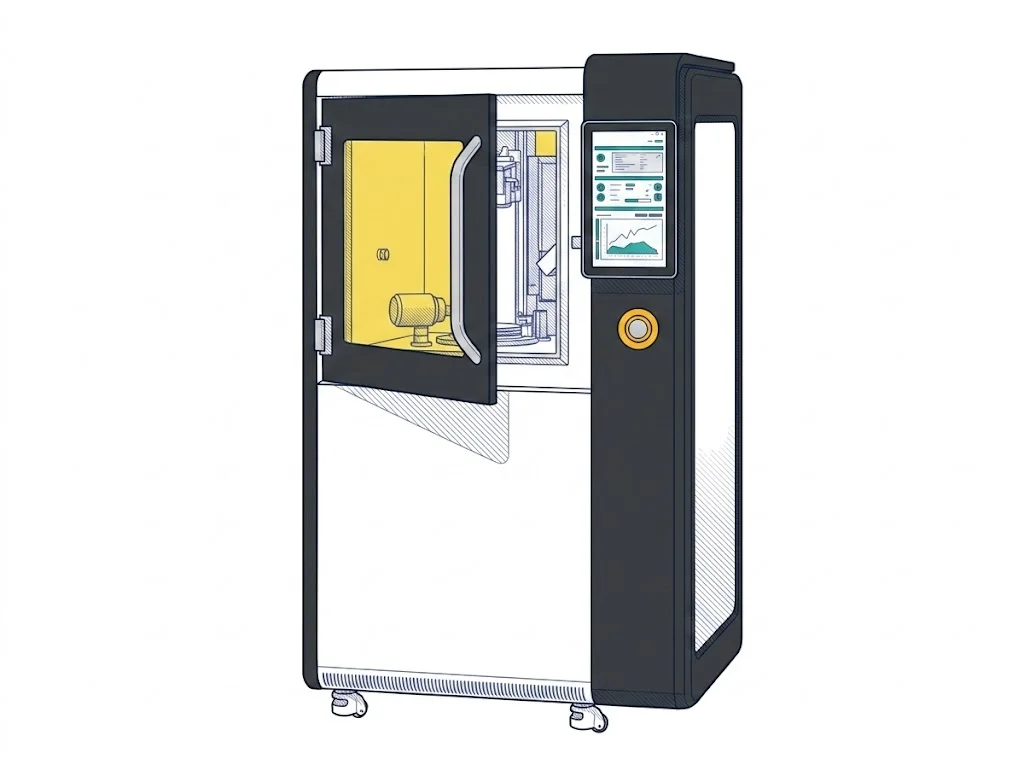 CeraFab System S25
Lithoz
F2 · Intermediate
CeraFab System S25
Lithoz
F2 · Intermediate
|
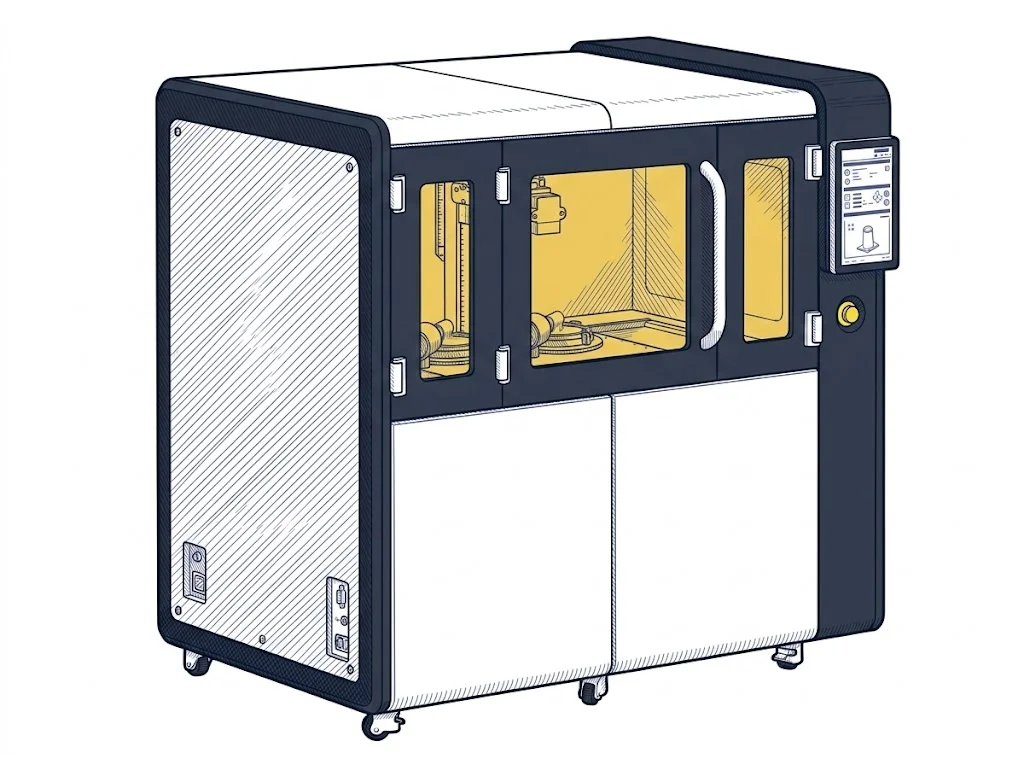 CeraMax Vario V900
Lithoz
F2 · Intermediate
CeraMax Vario V900
Lithoz
F2 · Intermediate
|
|---|---|---|
| Identity | ||
| Use tier | F2 — Intermediate | F2 — Intermediate |
| Universal specs | ||
| Dimensions (W×D×H) (cm) | 85 × 105 × 178 cm | 95 × 185 × 220 cm |
| Work area (mm) | 64 × 40 mm | 250 × 250 mm |
| Z-axis height (mm) | 320 mm | 290 mm |
| Maximum speed | — | 8000 mm/s |
| Declared precision | 25 um | 0.5 mm |
| Ecosystem | ||
| Cloud dependency | No | No |
| Software notes | The system uses proprietary slicing software developed by Lithoz, specifically optimized for the rheological and thermal management of photocurable ceramic suspensions. It is not compatible with open-source slicers such as Cura or Slic3r, as the process requires direct control of light exposure parameters and peel plane kinematics for each layer of the component. | The system uses proprietary software optimized for controlling polymerization parameters and managing ceramic material feeds. The workflow requires support for STL files or standard CAD formats, with granular control of layer thickness to ensure the component's structural integrity during the debinding and sintering process. |
The differences that matter
- Work area: CeraFab System S25 64×40 mm vs CeraMax Vario V900 250×250 mm — CeraMax Vario V900 wins (+2341%)
Which one to choose
MakerSpecs is an independent atlas. We don't sell products: this comparison links to both sheets, where you'll find complete data and official links.