Cebora SYNSTAR 330 TC vs Cebora EVO 160 M COMBI
Technical comparison · MIG/MAG welding (wire feed)
SYNSTAR 330 TC and EVO 160 M COMBI are not direct competitors: different use classes (F4 vs F2), very different prices (~6.6×). EVO 160 M COMBI costs less (~€800) and is the entry-level choice; SYNSTAR 330 TC offers more capability at a higher price (~€5250). Judge them by budget, not head-to-head.
| Parameter |
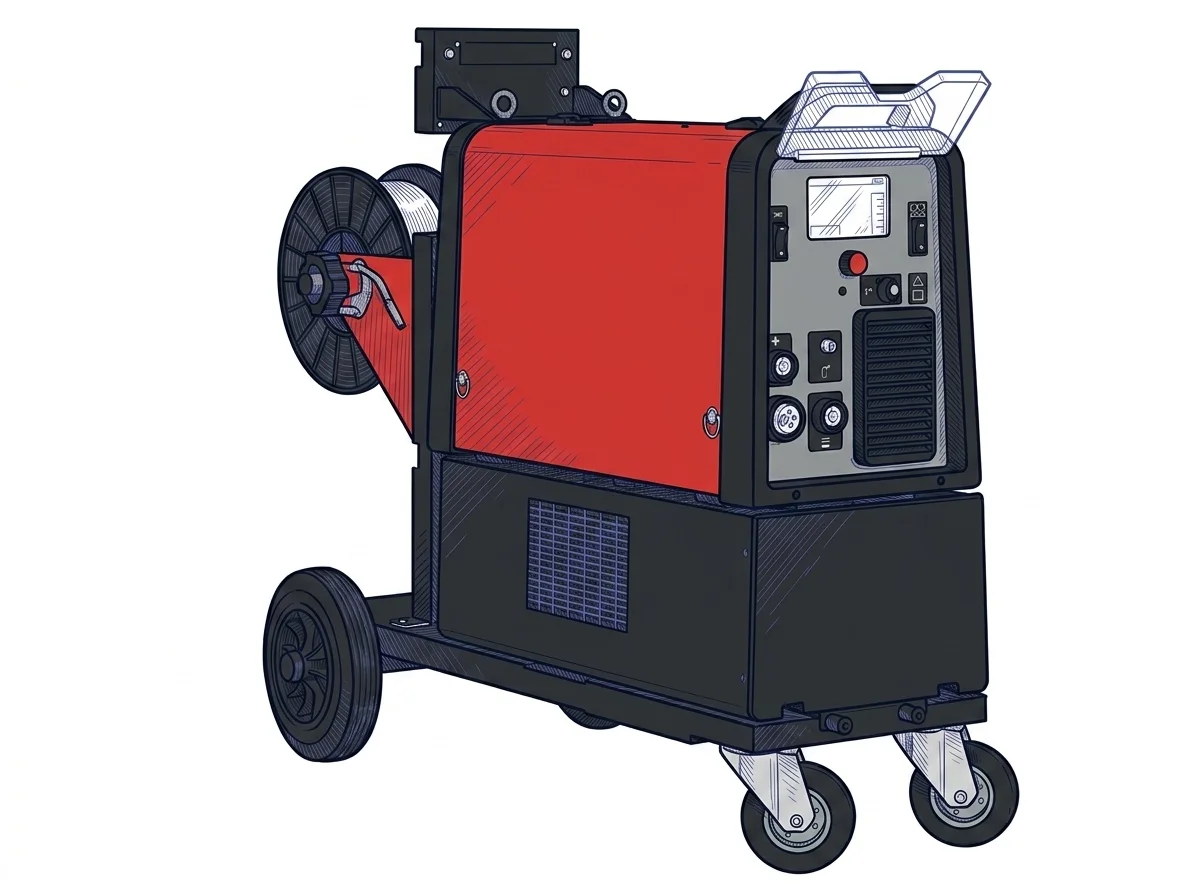 SYNSTAR 330 TC
Cebora
F4 · Semi-professional
SYNSTAR 330 TC
Cebora
F4 · Semi-professional
|
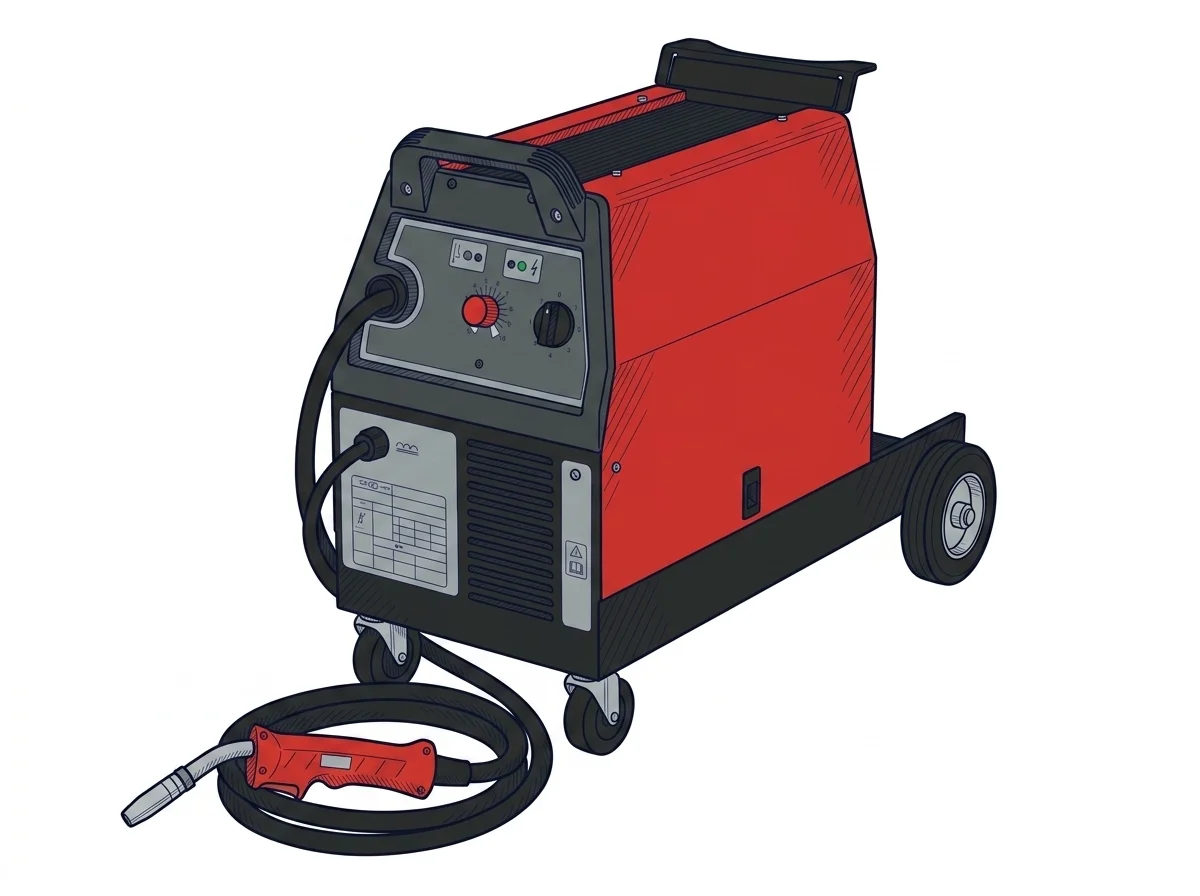 EVO 160 M COMBI
Cebora
F2 · Intermediate
EVO 160 M COMBI
Cebora
F2 · Intermediate
|
|---|---|---|
| Identity | ||
| Launch year | 2016 | — |
| Use tier | F4 — Semi-professional | F2 — Intermediate |
| Price | ||
| Price (€) | ~4500–6000 € | ~700–900 € |
| Universal specs | ||
| Dimensions (W×D×H) (cm) | 51 × 102.2 × 96 cm | 39.5 × 69 × 53.1 cm |
| Weight (kg) | 72 kg | 29 kg |
| Power (W) | 12400 W | 4600 W |
| Voltage (V) | 400 V | 230 V |
| Category specs | ||
| Welding type | Multi-process | MIG/MAG |
| Max welding current (A) | 330 A | 160 A |
| Max wire diameter (mm) | 1.2 mm | 0.9 mm |
| Duty cycle (rated current) (%) | 40 % | — |
| Synergic control | True | False |
| Gasless capable | — | True |
| Power source technology | Inverter | Transformer |
| Aluminium ready | True | — |
| Pulse capable | True | False |
| Input voltage | 400 V (three-phase) | 230 V (single-phase) |
| Supported spool | Ø300 mm (~15 kg) | Ø200 mm (~5 kg) |
| Ecosystem | ||
| Cloud dependency | No | No |
| Software notes | The power source is managed through a 5-inch color LCD touchscreen interface, allowing intuitive control of all welding functions. The operator can easily select parameters, activate MIG Short, pulse, or double pulse functions, and access aluminum-specific features such as Automatic Hot Start and Automatic Crater Filler. System firmware updates are performed quickly and simply via the integrated USB port. It is also pre-arranged for wireless connectivity with personal protective equipment, such as a compatible auto-darkening welding helmet. | The Cebora EVO 160 M COMBI unit is a traditional electromechanical welding machine and does not feature digital interfaces, microprocessors, or network connectivity. Consequently, it requires no management software, firmware updates, or external applications for its operation. All adjustments are made exclusively through the front analog control panel, which includes physical selectors for setting the seven voltage levels and a potentiometer for wire feed speed. This total absence of computing components eliminates any need for digital configuration or cloud dependency, ensuring immediate deployment out of the box and minimizing potential vulnerabilities related to electronic obsolescence in challenging working environments. |
The differences that matter
- Price: SYNSTAR 330 TC 5250 € vs EVO 160 M COMBI 800 € — EVO 160 M COMBI wins (+556%)
- Synergic control: SYNSTAR 330 TC yes, EVO 160 M COMBI no
- Max wire diameter: SYNSTAR 330 TC 1.2 mm vs EVO 160 M COMBI 0.9 mm — SYNSTAR 330 TC wins (+33%)
Which one to choose
Choose SYNSTAR 330 TC if…
you value synergic control and max wire diameter.
MakerSpecs is an independent atlas. We don't sell products: this comparison links to both sheets, where you'll find complete data and official links.