3D Potter 3D PotterBot 10 PRO vs Lithoz CeraFab System S25
Technical comparison · 3D printing with clay & ceramics
3D PotterBot 10 PRO leads on the available specs (starting with work area); CeraFab System S25 makes sense only for non-technical reasons (availability, support, ecosystem), or if the missing data matters in your case.
| Parameter |
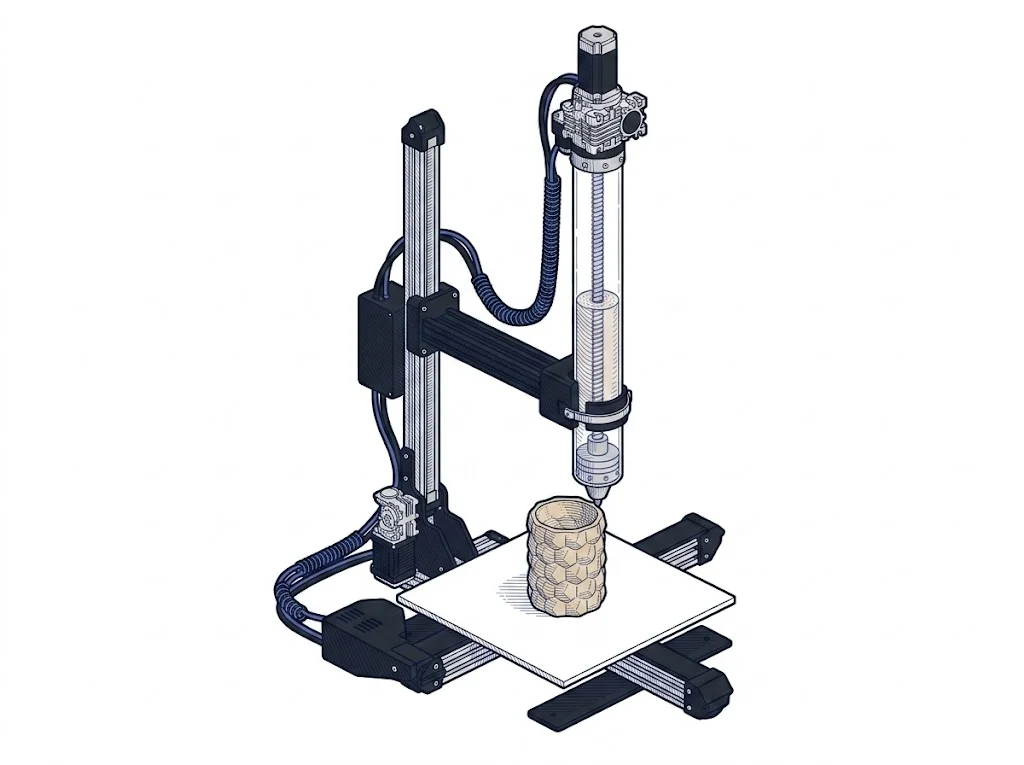 3D PotterBot 10 PRO
3D Potter
F2 · Intermediate
3D PotterBot 10 PRO
3D Potter
F2 · Intermediate
|
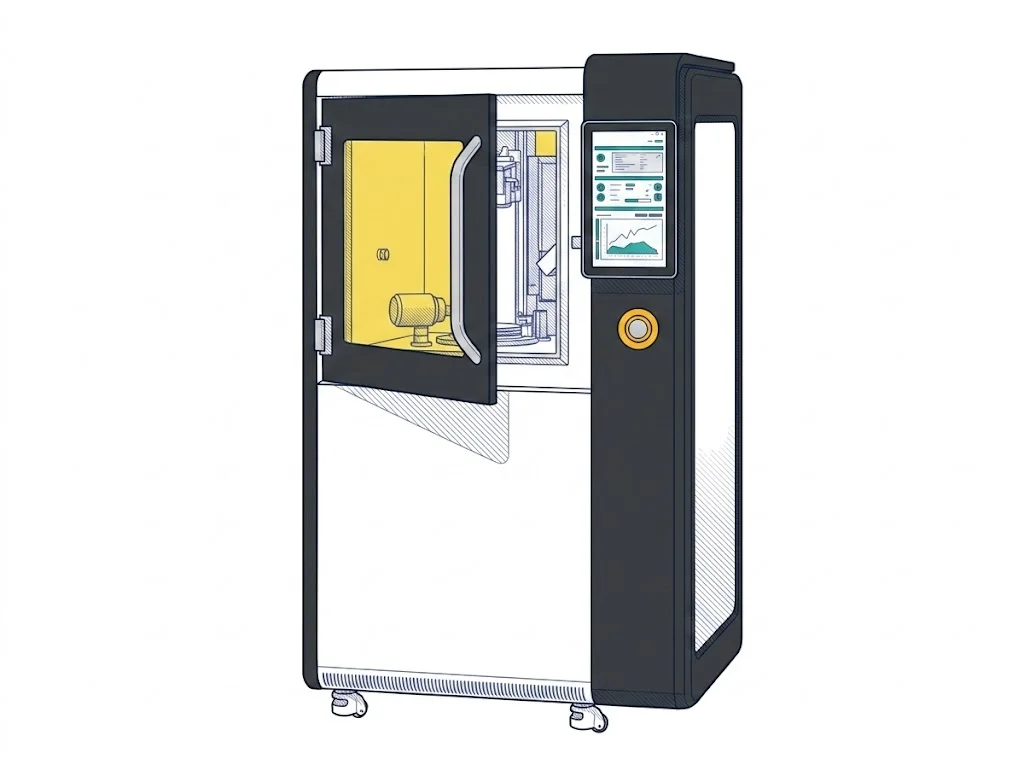 CeraFab System S25
Lithoz
F2 · Intermediate
CeraFab System S25
Lithoz
F2 · Intermediate
|
|---|---|---|
| Identity | ||
| Use tier | F2 — Intermediate | F2 — Intermediate |
| Price | ||
| Price (€) | ~6950–7050 € | — |
| Universal specs | ||
| Dimensions (W×D×H) (cm) | 66.04 × 86.36 × 91.44 cm | 85 × 105 × 178 cm |
| Weight (kg) | 20 kg | — |
| Work area (mm) | 415 × 405 mm | 64 × 40 mm |
| Z-axis height (mm) | 500 mm | 320 mm |
| Voltage (V) | 220 V | — |
| Maximum speed | 200 mm/s | — |
| Declared precision | — | 25 um |
| Ecosystem | ||
| Cloud dependency | No | No |
| Software notes | The machine integrates a native web interface accessible via WiFi or Ethernet, eliminating the need for locally installed control software. The firmware manages the extruder's movement and dosing using protocols optimized for standard G-code. It is compatible with most 3D slicers, such as Cura or Slic3r, provided the piston extruder's flow parameters are correctly configured for high-viscosity materials. | The system uses proprietary slicing software developed by Lithoz, specifically optimized for the rheological and thermal management of photocurable ceramic suspensions. It is not compatible with open-source slicers such as Cura or Slic3r, as the process requires direct control of light exposure parameters and peel plane kinematics for each layer of the component. |
The differences that matter
- Work area: 3D PotterBot 10 PRO 415×405 mm vs CeraFab System S25 64×40 mm — 3D PotterBot 10 PRO wins (+6465%)
Which one to choose
MakerSpecs is an independent atlas. We don't sell products: this comparison links to both sheets, where you'll find complete data and official links.