Ortur H20 10W vs Ortur LM3 40W
Technical comparison · Diode laser (405–460 nm)
LM3 40W leads on the available specs (starting with price); H20 10W makes sense only for non-technical reasons (availability, support, ecosystem), or if the missing data matters in your case.
| Parameter |
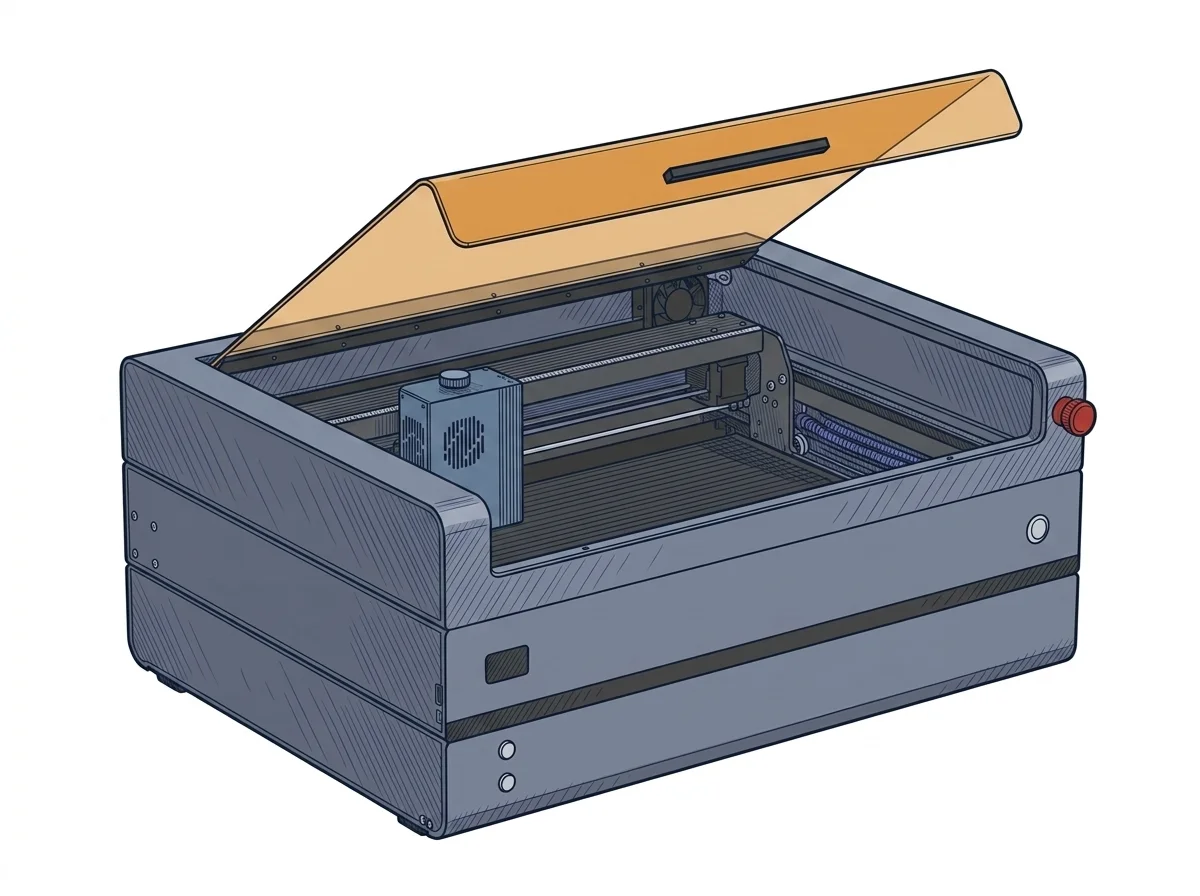 H20 10W
Ortur
F2 · Intermediate
H20 10W
Ortur
F2 · Intermediate
|
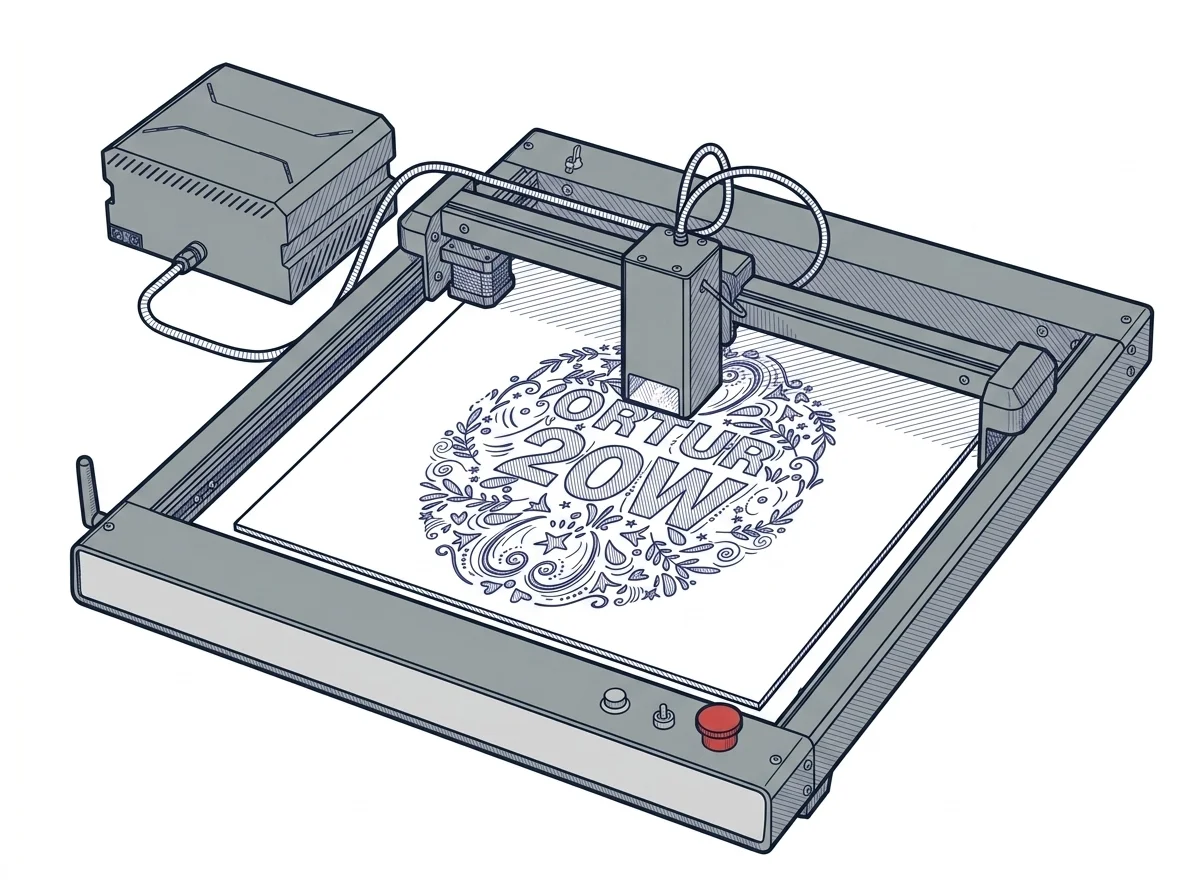 LM3 40W
Ortur
F2 · Intermediate
LM3 40W
Ortur
F2 · Intermediate
|
|---|---|---|
| Identity | ||
| Launch year | 2024 | 2023 |
| Use tier | F2 — Intermediate | F2 — Intermediate |
| Price | ||
| Price (€) | 1499 € | ~600–800 € |
| Universal specs | ||
| Dimensions (W×D×H) (cm) | 62.5 × 42.6 × 27.1 cm | 65.8 × 62.5 × 15 cm |
| Weight (kg) | 22.7 kg | — |
| Work area (mm) | 420 × 300 mm | 400 × 380 mm |
| Maximum speed | 20000 mm/min | 20000 mm/min |
| Declared precision | 0.01 mm | 0.08 mm |
| Category specs | ||
| Work area (short side) (mm) | 300 mm | 380.0 mm |
| Rated power (W) | 10 W | 20.0 W |
| Source technology | Diode | Diode |
| Max travel speed (mm/s) | 333.33 mm/s | — |
| Max processing speed (mm/s) | 333.33 mm/s | 333.33 mm/s |
| Max cut depth per material | 10-12 mm wood/acrylic | 15mm Pine, 10mm Plywood, 8mm Black Acrylic |
| Wavelength (nm) | 450 nm | — |
| Min resolution (µm) | 10 µm | 80.0 µm |
| Autofocus | False | False |
| Rotary included/compatible | False | False |
| Supported software | LightBurn, Proprietary, Other | Proprietary, LightBurn, Other |
| Ecosystem | ||
| Cloud dependency | No | No |
| Software notes | The operational control of the device interfaces natively with the industry's leading third-party software, ensuring broad configuration flexibility. Compatibility with professional programs like LightBurn allows advanced users to manage complex vector workflows and detailed engraving parameters, while support for LaserGRBL offers a functional alternative for quicker operations. Additionally, the integrated wireless connectivity permits a direct connection via the proprietary Inspiraesth application, facilitating project transmission and basic settings management from mobile devices. The system does not impose cloud-dependent workflows, maintaining complete local operability to protect project confidentiality. | The LM3 uses firmware based on the open GRBL protocol, compatible with LightBurn (diode license ~$60 one-time), LaserGRBL (free, open-source), and the proprietary Ortur iOS/Android app with selectable novice and advanced modes. LightBurn offers advanced variable power control, path optimization, and optional camera alignment; LaserGRBL covers basic engraving tasks at no additional cost. The open GRBL protocol ensures compatibility with third-party tools and standard G-code generators. Communication is via USB; the Ortur app allows remote job launching via Wi-Fi without a connected PC. |
The differences that matter
- Price: H20 10W 1499 € vs LM3 40W 700 € — LM3 40W wins (+114%)
- Work area: H20 10W 420×300 mm vs LM3 40W 400×380 mm — LM3 40W wins (+21%)
Which one to choose
MakerSpecs is an independent atlas. We don't sell products: this comparison links to both sheets, where you'll find complete data and official links.