Elegoo Mars 4 vs Elegoo Mars 5 Ultra
Technical comparison · Resin 3D printing
Same build area, 153.36 × 77.76 mm, and same resolution on the plate: the Mars 5 Ultra costs 29 € more than the Mars 4. What that 29 € buys is a faster lift speed and Wi-Fi.
| Parameter | ||
|---|---|---|
| Identity | ||
| Launch year | 2023 | 2024 |
| Use tier | F2 — Intermediate | F2 — Intermediate |
| Price | ||
| Price (€) | ~180–260 € | 249 € |
| Universal specs | ||
| Dimensions (W×D×H) (cm) | 22.7 × 22.7 × 43.85 cm | 26 × 26.8 × 45.15 cm |
| Weight (kg) | 5.2 kg | 8.8 kg |
| Work area (mm) | 153.36 × 77.76 mm | 153.36 × 77.76 mm |
| Z-axis height (mm) | 175 mm | 165 mm |
| Power (W) | — | 72 W |
| Voltage (V) | — | 100 V |
| Maximum speed | — | 2.5 mm/min |
| Declared precision | — | 18 μm |
| Category specs | ||
| Build area XY (short side) (mm) | 77.76 mm | 77.76 mm |
| XY resolution (µm) | 18 µm | 18 µm |
| Light source | Mono LCD | Mono LCD |
| Print speed (mm/h) | 70 mm/h | 150 mm/h |
| Tilt / peel system | Standard FEP | Tilt |
| Ecosystem | ||
| Cloud dependency | No | No |
| Software notes | The operation of the machine is primarily managed via third-party slicing software widely utilized within the resin 3D printing industry. The system natively supports file formats generated by programs such as ChiTuBox and Voxeldance Tango, offering the user the flexibility to choose their preferred interface for model preparation, support generation, and exposure parameter optimization. There is no native Wi-Fi connectivity or dedicated cloud management in this standard version; therefore, the transfer of print-ready files occurs traditionally via a USB port located on the machine body, ensuring a stable, independent, and completely offline workflow. | Machine control and management rely on a flexible and modern software ecosystem. The device natively supports leading industry slicing programs, including ChituBox and Voxeldance Tango, ensuring extensive customization of printing parameters. Integrated Wi-Fi connectivity allows for remote monitoring and file transmission via cloud functionalities or cluster management, streamlining the workflow in multi-unit laboratory environments. The proprietary firmware handles real-time error notifications, such as resin shortage or residues in the vat, interfacing directly with the touchscreen display to guide the user through operational troubleshooting independently and safely. |
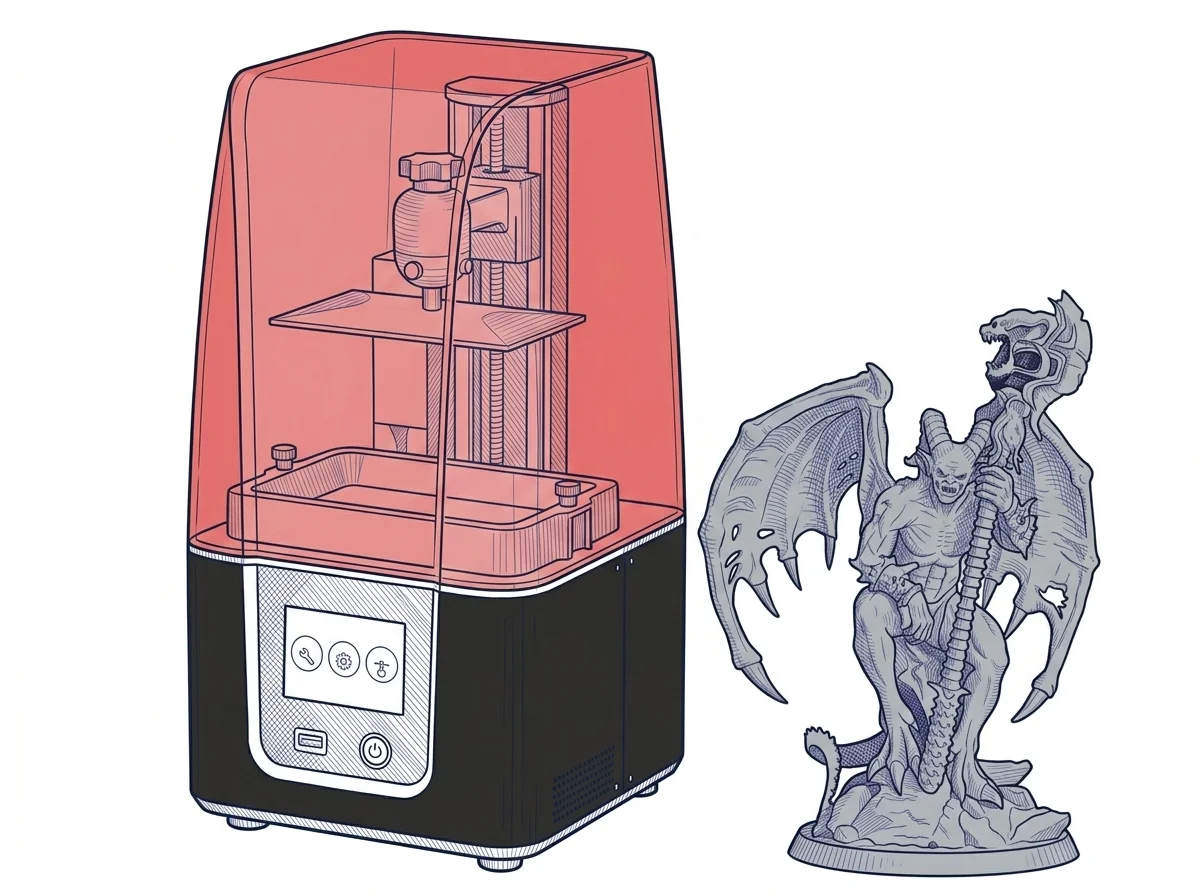
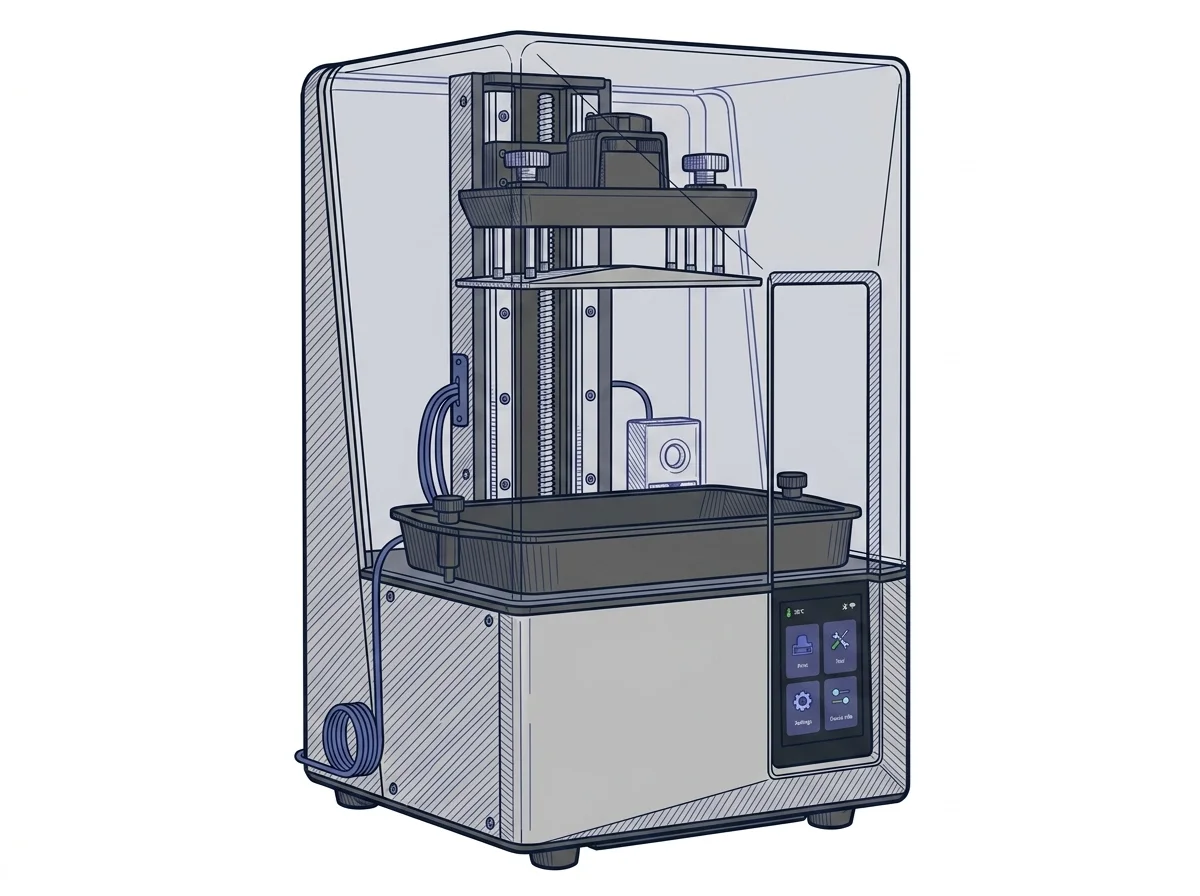
The differences that matter
- Speed 150 mm/h against 70 (manufacturer's declared values) → a tall part finishes sooner on the Mars 5 Ultra.
- Tilt peel against standard FEP → the Mars 5 Ultra separates the part from the vat floor by tilting the vat; the Mars 4 uses a standard FEP film.
- Wi-Fi only on the Mars 5 Ultra → on the Mars 4 files arrive by USB only.
- Price 249 € against about 220 € → 29 € more.
Which one to choose
Choose Mars 4 if…
you print a few miniatures or a small batch a week and a USB stick is enough to carry the files, at around 220 €. The trade-off is a slower lift (70 mm/h against 150) and no network connection.
Choose Mars 5 Ultra if…
you print often and machine time matters, or you want to send files and follow the job over the network: the declared lift speed is 150 mm/h and the peel uses a tilt system. It costs 29 € more and weighs 8.8 kg against 5.2 kg.
Where to buy
Paid link: the price for you does not change. Methodology
As an Amazon Associate I earn from qualifying purchases.
MakerSpecs is an independent atlas. We don't sell products: the purchase links are the same as on the two product sheets and don't influence the verdict. The sheets have the complete data.