Anycubic Photon P1 MSLA 3D Printer vs Phrozen Sonic Mini
Technical comparison · Resin 3D printing
Photon P1 MSLA 3D Printer and Sonic Mini are not direct competitors: very different prices (~3.1×). Sonic Mini costs less (~€220) and is the entry-level choice; Photon P1 MSLA 3D Printer offers more capability at a higher price (~€674). Judge them by budget, not head-to-head.
| Parameter |
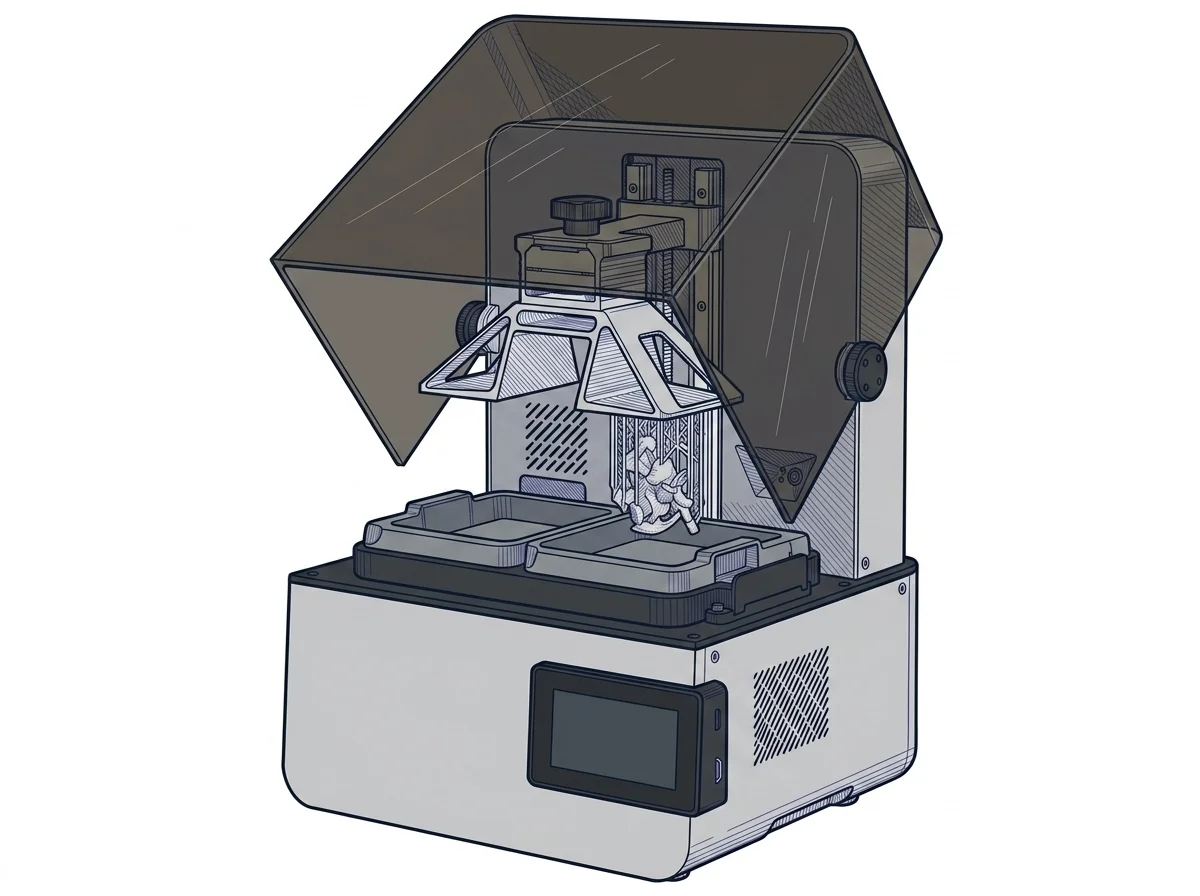 Photon P1 MSLA 3D Printer
Anycubic
F2 · Intermediate
Photon P1 MSLA 3D Printer
Anycubic
F2 · Intermediate
|
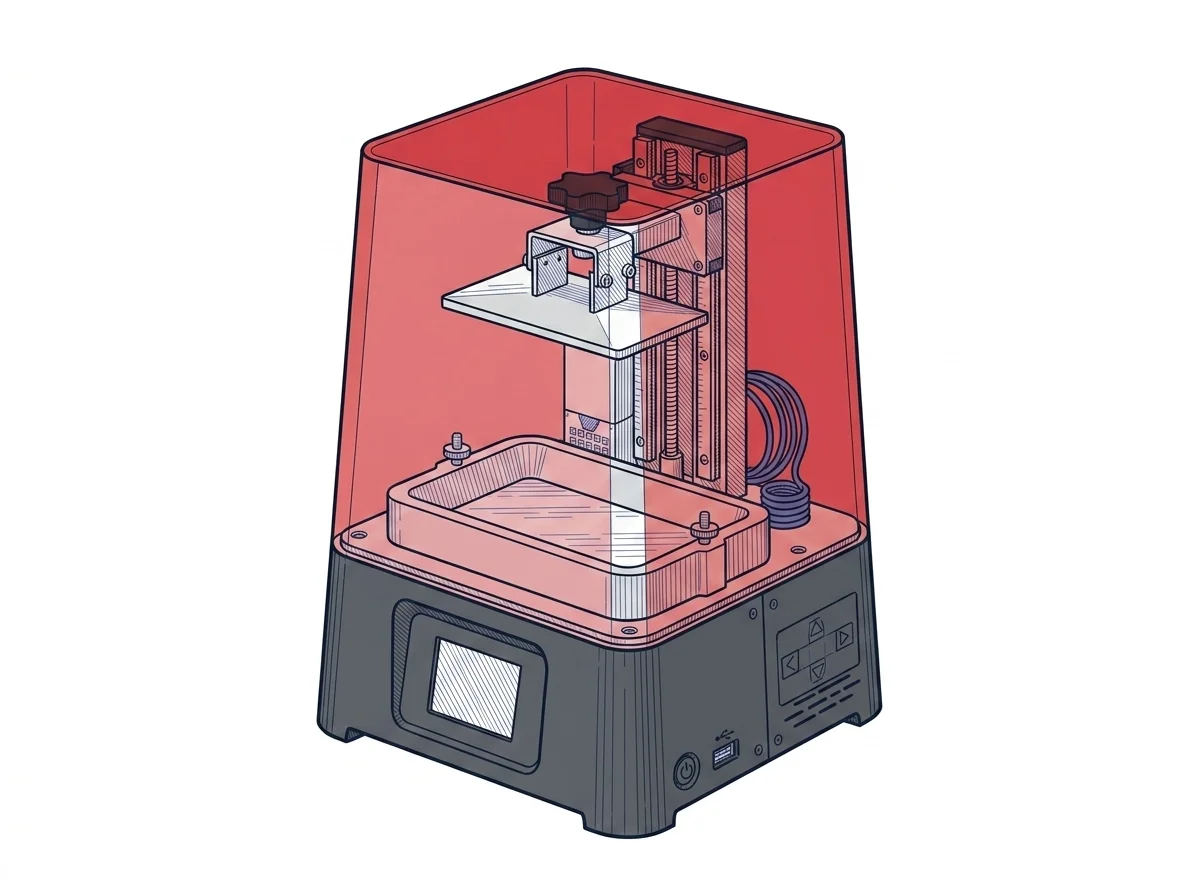 Sonic Mini
Phrozen
F1 · Entry
Sonic Mini
Phrozen
F1 · Entry
|
|---|---|---|
| Identity | ||
| Launch year | 2026 | 2020 |
| Use tier | F2 — Intermediate | F1 — Entry |
| Price | ||
| Price (€) | ~649–699 € | ~190–250 € |
| Universal specs | ||
| Dimensions (W×D×H) (cm) | 36.6 × 33.8 × 53.9 cm | 25 × 25 × 33 cm |
| Weight (kg) | 13.6 kg | 4.5 kg |
| Work area (mm) | 223 × 126 mm | 120 × 68 mm |
| Z-axis height (mm) | 230 mm | 130 mm |
| Power (W) | 215 W | 40 W |
| Maximum speed | 0.58 mm/min | — |
| Declared precision | 16.8 μm | 62.5 μm |
| Category specs | ||
| Build area XY (short side) (mm) | 126 mm | 68 mm |
| XY resolution (µm) | 16.8 µm | 62.5 µm |
| Light source | Mono LCD | Mono LCD |
| UV power (mW/cm²) | 5 mW/cm² | — |
| Print speed (mm/h) | 35 mm/h | 50 mm/h |
| Tilt / peel system | Standard FEP | Standard FEP |
| Ecosystem | ||
| Cloud dependency | No | No |
| Software notes | Model preparation for the Photon P1 is primarily handled by Anycubic Photon Workshop, a proprietary slicing software that has evolved significantly, offering an intuitive interface alongside advanced mesh repair and support tools. The printer still maintains an open nature, being fully compatible with popular third-party slicers widely appreciated by the community, such as Chitubox, Lychee Slicer, and Tango. Network connectivity via Wi-Fi and a LAN port, alongside the traditional USB port, allows for seamless remote control, integrating perfectly with the Anycubic mobile app. This flexibility grants users the freedom to choose their preferred software workflow, always ensuring the maximum output quality of the printed file. | The device operates primarily through third-party slicing software widely adopted within the maker community, such as ChiTuBox and Lychee Slicer, ensuring high flexibility in file preparation. Integration with these programs allows granular control over exposure parameters, support generation, and lift times. The machine features no integrated wireless connectivity or reliance on cloud platforms, requiring completed print files to be transferred exclusively via a removable USB flash drive. This configuration guarantees complete offline operational autonomy and mitigates the risk of interruptions caused by network issues or forced remote software updates. |
The differences that matter
- Price: Photon P1 MSLA 3D Printer 674 € vs Sonic Mini 220 € — Sonic Mini wins (+206%)
- Work area: Photon P1 MSLA 3D Printer 223×126 mm vs Sonic Mini 120×68 mm — Photon P1 MSLA 3D Printer wins (+244%)
Which one to choose
MakerSpecs is an independent atlas. We don't sell products: this comparison links to both sheets, where you'll find complete data and official links.