Anycubic Photon P1 Max vs Formlabs Form 4
Technical comparison · Resin 3D printing
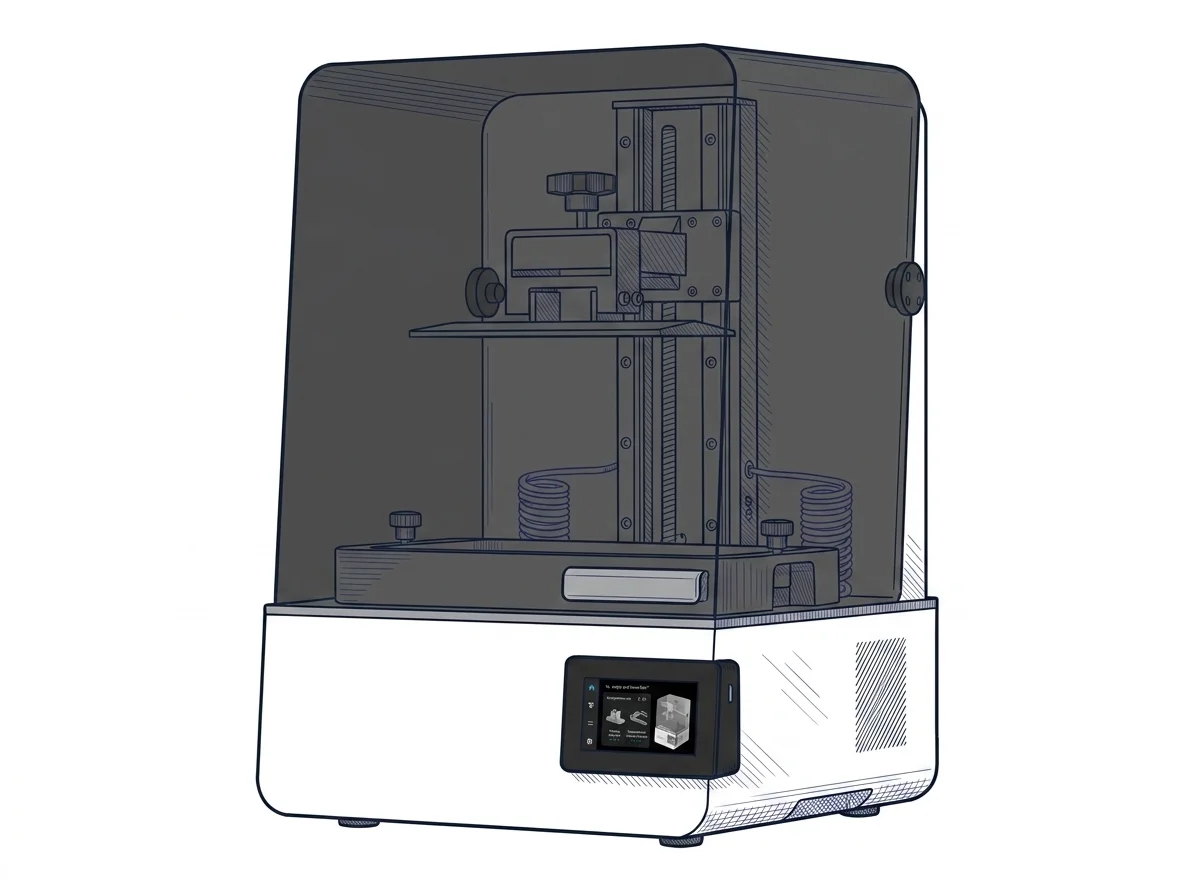
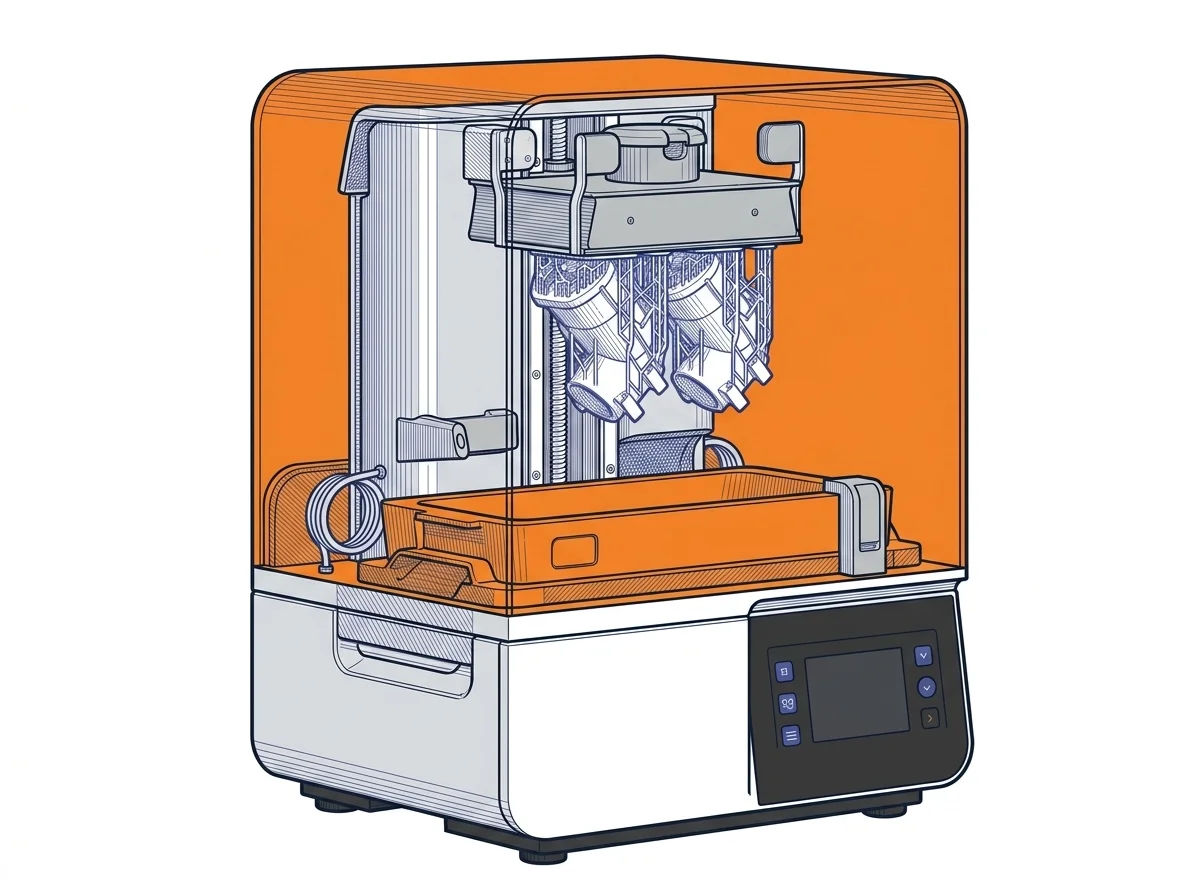
Both are mono-LCD resin printers, but built for different ways of working: the Photon P1 Max lets you pick your own slicer and has a much bigger plate, while the Form 4 is a closed system with its own software. The choice comes down to build space against software environment.
| Parameter | ||
|---|---|---|
| Identity | ||
| Launch year | 2026 | 2024 |
| Use tier | F3 — Advanced | F3 — Advanced |
| Price | ||
| Price (€) | ~450–1000 € | 4349 € |
| Universal specs | ||
| Dimensions (W×D×H) (cm) | — | 39.8 × 36.7 × 55.4 cm |
| Weight (kg) | — | 18.3 kg |
| Work area (mm) | 285.5 × 214 mm | 200 × 125 mm |
| Z-axis height (mm) | 300 mm | 210 mm |
| Power (W) | — | 480 W |
| Voltage (V) | — | 240 V |
| Maximum speed | — | 100 |
| Declared precision | 24.8 μm | 50 μm |
| Category specs | ||
| Build area XY (short side) (mm) | 214 mm | 125 mm |
| XY resolution (µm) | 24.8 µm | 50 µm |
| Light source | Mono LCD | Mono LCD |
| UV power (mW/cm²) | — | 16 mW/cm² |
| Print speed (mm/h) | — | 100 mm/h |
| Ecosystem | ||
| Cloud dependency | No | No |
| Software notes | The system supports file formats generated by the most popular third-party print preparation software, such as ChiTuBox and LycheeSlicer, ensuring operational flexibility and a consolidated workflow. The manufacturer also provides Anycubic Photon Workshop, the proprietary application optimized to fine-tune exposure parameters, manage advanced supports, and fully exploit the screen's pixel density without slowing down layer calculation. | The printing process is managed by the proprietary PreForm software, a closed application that automatically optimizes model orientation, support generation, and production time calculations. This software environment is designed to ensure a highly streamlined and standardized workflow, ideal for professional contexts where result predictability is crucial. PreForm integrates seamlessly with the manufacturer's ecosystem, receiving continuous updates that introduce new profiles for proprietary resins. The machine also offers optional access to Fleet Control and the cloud-based Dashboard platform, which are advanced tools that allow users to monitor print queues, manage multiple units in parallel, and track material consumption in real time remotely. |
The differences that matter
- Plate 285.5 × 214 mm against 200 × 125 mm → more parts per run on the Photon; smaller batches on the Form 4.
- Height 300 mm against 210 mm → a 250 mm tall part prints in one piece only on the Photon.
- Third-party slicers against closed PreForm → you tune parameters yourself on the Photon; on the Form 4 you accept the manufacturer's profiles.
- XY resolution 24.8 µm against 50 µm (values declared by the manufacturer) → the Photon's smaller pixel matters on fine detail.
Which one to choose
Choose Photon P1 Max if…
You print batches of miniatures or technical parts and want to fill the plate: 285.5 × 214 mm against the Form 4's 200 × 125 mm, with 300 mm of height against 210. You prepare files in ChiTuBox, LycheeSlicer or Photon Workshop, so exposure, orientation and supports are yours to set.
Choose Form 4 if…
You work in a professional setting where results have to be repeatable: PreForm orients the model, generates supports and estimates time on its own, and the optional Fleet Control and Dashboard let you follow several machines and material use. The price is €4,349, the plate is 200 × 125 mm and the software cannot be swapped.
Where to buy
Paid link: the price for you does not change. Methodology
MakerSpecs is an independent atlas. We don't sell products: the purchase links are the same as on the two product sheets and don't influence the verdict. The sheets have the complete data.