Anycubic Photon Mono M7 Pro vs Anycubic Photon P1 Max
Technical comparison · Resin 3D printing
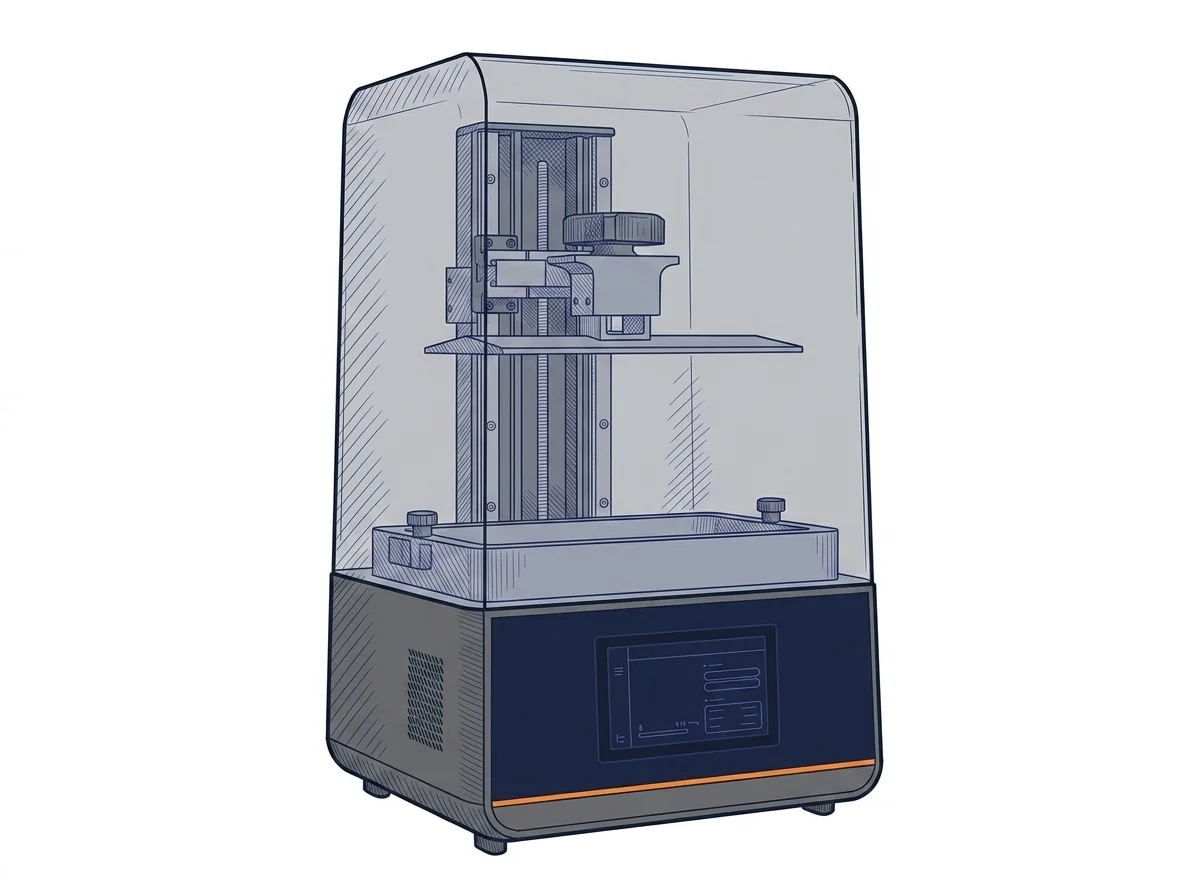
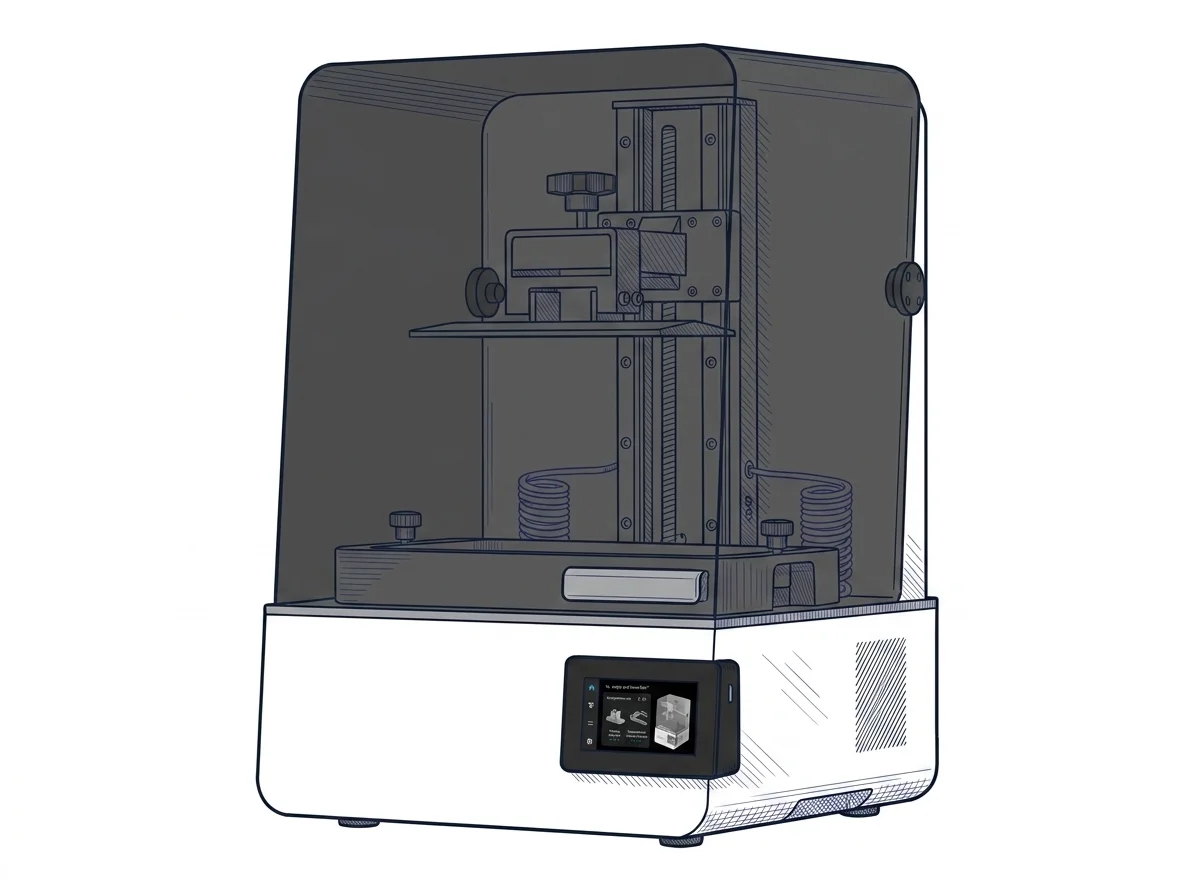
The Photon Mono M7 Pro and Photon P1 Max are both Anycubic LCD resin printers, but with very different build plates. The P1 Max prints an area more than double that of the Mono M7 Pro, which instead declares a finer XY resolution.
| Parameter | ||
|---|---|---|
| Identity | ||
| Launch year | 2024 | 2026 |
| Use tier | F2 — Intermediate | F3 — Advanced |
| Price | ||
| Price (€) | 499 € | ~450–1000 € |
| Universal specs | ||
| Dimensions (W×D×H) (cm) | 31.5 × 31.5 × 52 cm | — |
| Weight (kg) | 12.8 kg | — |
| Work area (mm) | 223 × 126 mm | 285.5 × 214 mm |
| Z-axis height (mm) | 230 mm | 300 mm |
| Power (W) | 150 W | — |
| Voltage (V) | 110 V | — |
| Maximum speed | 170 mm/min | — |
| Declared precision | 16.8 μm | 24.8 μm |
| Category specs | ||
| Build area XY (short side) (mm) | 126 mm | 214 mm |
| XY resolution (µm) | 16.8 µm | 24.8 µm |
| Light source | Mono LCD | Mono LCD |
| UV power (mW/cm²) | 8.5 mW/cm² | — |
| Print speed (mm/h) | 170 mm/h | — |
| Tilt / peel system | Film ACF | — |
| Ecosystem | ||
| Cloud dependency | No | No |
| Software notes | The software ecosystem is based on the proprietary Anycubic Photon Workshop application, alongside full compatibility with major third-party slicers such as ChituBox and Lychee Slicer. Connectivity is comprehensive due to the integrated Wi-Fi module, which enables remote management via the Anycubic App mobile application for real-time monitoring, file transfer, and progress tracking. The firmware supports advanced algorithms for exposure compensation and dynamic lift speed control. Although cloud features expand the user experience, the machine remains fully operational offline via file transfer through the USB port. | The system supports file formats generated by the most popular third-party print preparation software, such as ChiTuBox and LycheeSlicer, ensuring operational flexibility and a consolidated workflow. The manufacturer also provides Anycubic Photon Workshop, the proprietary application optimized to fine-tune exposure parameters, manage advanced supports, and fully exploit the screen's pixel density without slowing down layer calculation. |
The differences that matter
- Build plate: 223×126 mm (Mono M7 Pro) vs 285.5×214 mm (P1 Max) → the P1 Max fits more parts per plate or prints bigger ones.
- Declared XY resolution: 16.8 µm (Mono M7 Pro) vs 24.8 µm (P1 Max) → the Mono M7 Pro renders fine detail better, other things being equal.
Which one to choose
Choose Photon Mono M7 Pro if…
Suited to printing miniatures or fine detail, with a declared XY resolution of 16.8 µm and a known price of €499. You accept a smaller build plate (223×126 mm), which limits how many parts fit per plate.
Choose Photon P1 Max if…
Suited to printing larger batches or bulkier parts on a 285.5×214 mm plate, more than double the Mono M7 Pro. You accept a less fine declared XY resolution (24.8 µm) and a price not yet published by the manufacturer.
Where to buy
Paid link: the price for you does not change. Methodology
MakerSpecs is an independent atlas. We don't sell products: the purchase links are the same as on the two product sheets and don't influence the verdict. The sheets have the complete data.