Anycubic Photon Mono 4 vs Creality HALOT-ONE PLUS
Technical comparison · Resin 3D printing
Photon Mono 4 and HALOT-ONE PLUS are two resin 3d printing in a similar class. Choose Photon Mono 4 if price matters more; choose HALOT-ONE PLUS if work area matters more.
| Parameter |
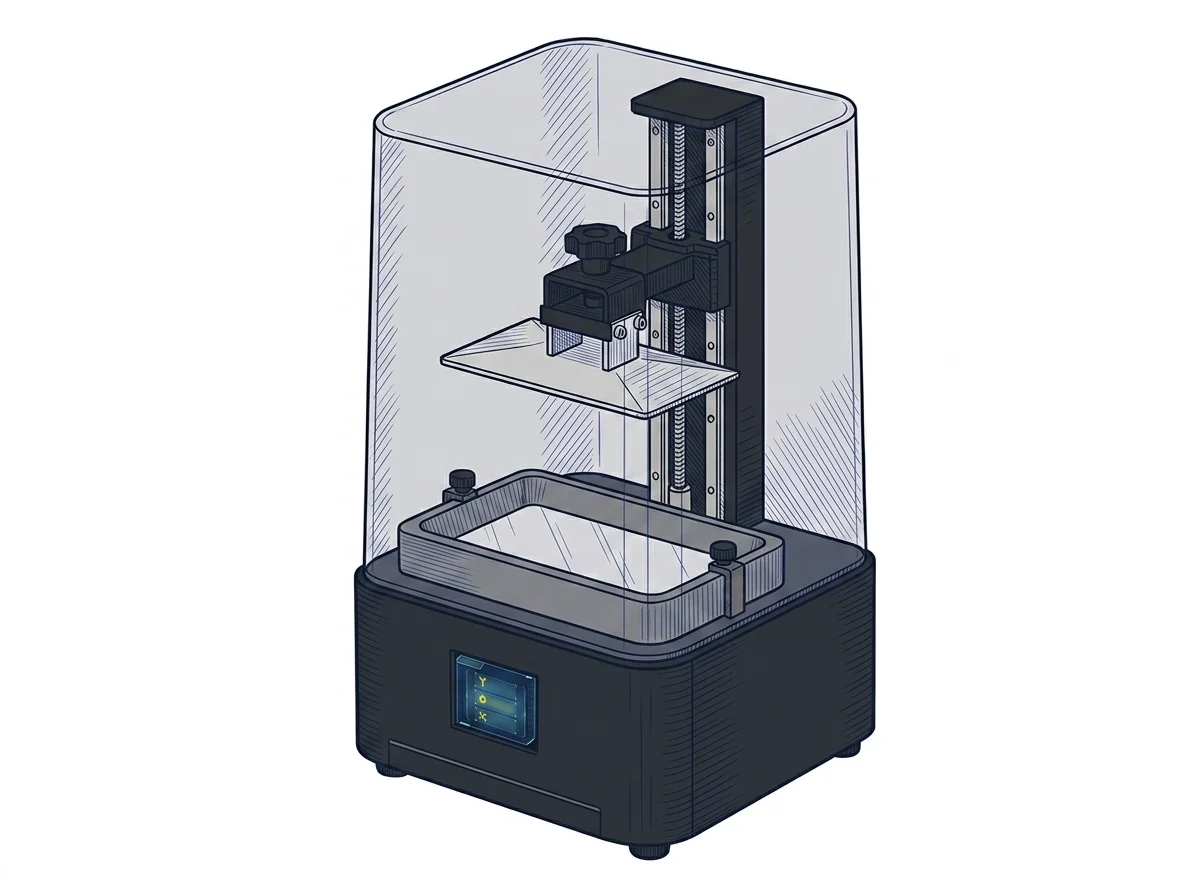 Photon Mono 4
Anycubic
F2 · Intermediate
Photon Mono 4
Anycubic
F2 · Intermediate
|
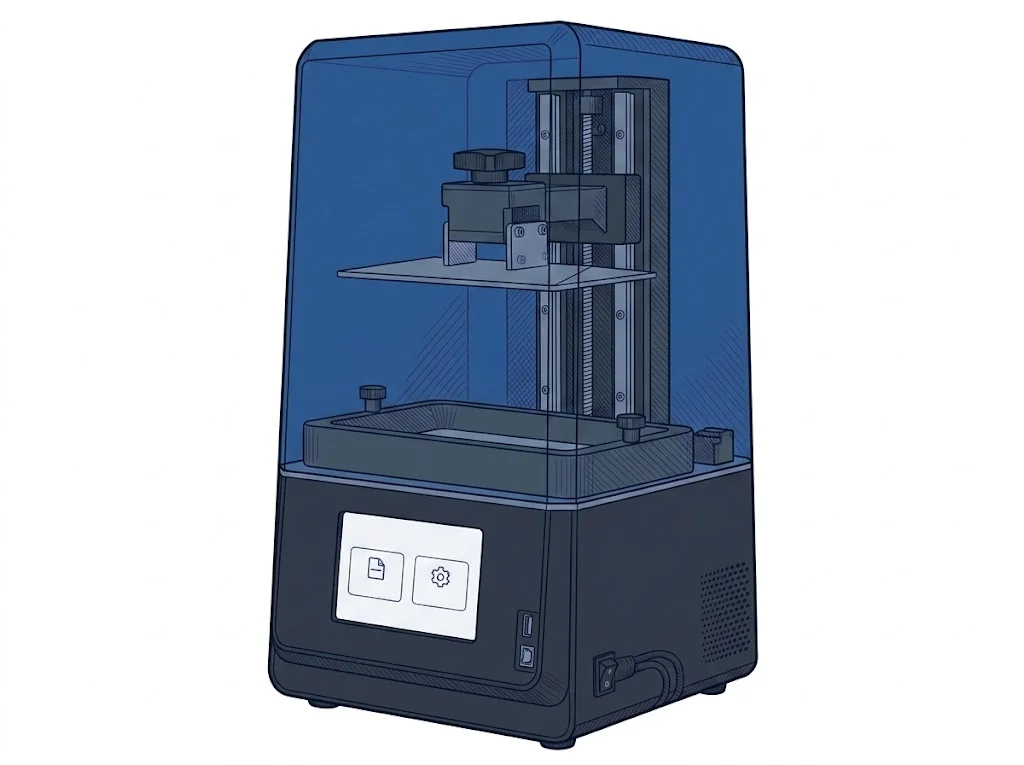 HALOT-ONE PLUS
Creality
F2 · Intermediate
HALOT-ONE PLUS
Creality
F2 · Intermediate
|
|---|---|---|
| Identity | ||
| Launch year | 2024 | 2022 |
| Use tier | F2 — Intermediate | F2 — Intermediate |
| Price | ||
| Price (€) | ~180–250 € | ~350–450 € |
| Universal specs | ||
| Dimensions (W×D×H) (cm) | — | 23.6 × 24.3 × 41.8 cm |
| Weight (kg) | — | 6.9 kg |
| Work area (mm) | 153.4 × 87 mm | 172 × 102 mm |
| Z-axis height (mm) | 165 mm | 160 mm |
| Power (W) | — | 100 W |
| Voltage (V) | — | 230 V |
| Maximum speed | 1.17 mm/min | — |
| Declared precision | 17 μm | 0.04 mm |
| Category specs | ||
| Build area XY (short side) (mm) | 87 mm | 102 mm |
| XY resolution (µm) | 17 µm | 40 µm |
| Light source | Mono LCD | Mono LCD |
| Print speed (mm/h) | 70.2 mm/h | — |
| Tilt / peel system | Standard FEP | Standard FEP |
| Ecosystem | ||
| Cloud dependency | No | No |
| Software notes | The device is fully compatible with the main third-party slicing software options on the market, including widely popular solutions such as Chitubox and Lychee Slicer, alongside the proprietary Anycubic Photon Workshop application. This flexibility allows users to manage advanced exposure parameters, supports, and tolerance compensation without proprietary constraints. File preparation occurs primarily via offline transfer using a USB port, ensuring a stable workflow independent of active network connections. Managing print profiles for various commercial resins is highly intuitive, facilitating the optimization of layer-by-layer curing times for both standard materials and advanced formulations. | The management of 3D models and print file preparation is supported by the main resin slicing software on the market, ensuring significant operational flexibility. Users can rely on widely used and appreciated solutions such as Chitubox and Lychee Slicer, which offer advanced tools for support generation and part orientation. Alternatively, the manufacturer provides the proprietary HALOT BOX software, specifically designed to integrate natively with the electronics and systems of this machine line. The motherboard is equipped with a built-in Wi-Fi module, enabling remote project submission and over-the-air firmware updates. Remote monitoring can be done via application, although the classic and stable file transfer via USB port remains fully supported. |
The differences that matter
- Price: Photon Mono 4 215 € vs HALOT-ONE PLUS 400 € — Photon Mono 4 wins (+86%)
- Work area: Photon Mono 4 153.4×87 mm vs HALOT-ONE PLUS 172×102 mm — HALOT-ONE PLUS wins (+31%)
Which one to choose
MakerSpecs is an independent atlas. We don't sell products: this comparison links to both sheets, where you'll find complete data and official links.