3D Potter 3D PotterBot 10 Micro vs Lithoz CeraFab Multi 2M30
Technical comparison · 3D printing with clay & ceramics
3D PotterBot 10 Micro leads on the available specs (starting with work area); CeraFab Multi 2M30 makes sense only for non-technical reasons (availability, support, ecosystem), or if the missing data matters in your case.
| Parameter |
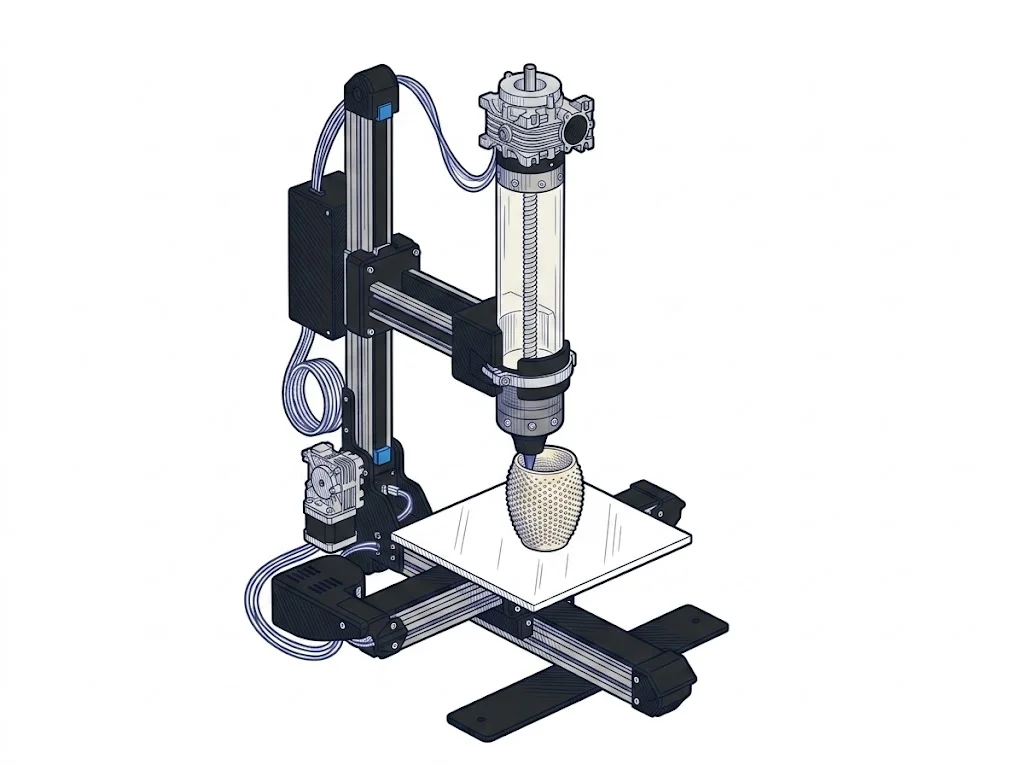 3D PotterBot 10 Micro
3D Potter
F2 · Intermediate
3D PotterBot 10 Micro
3D Potter
F2 · Intermediate
|
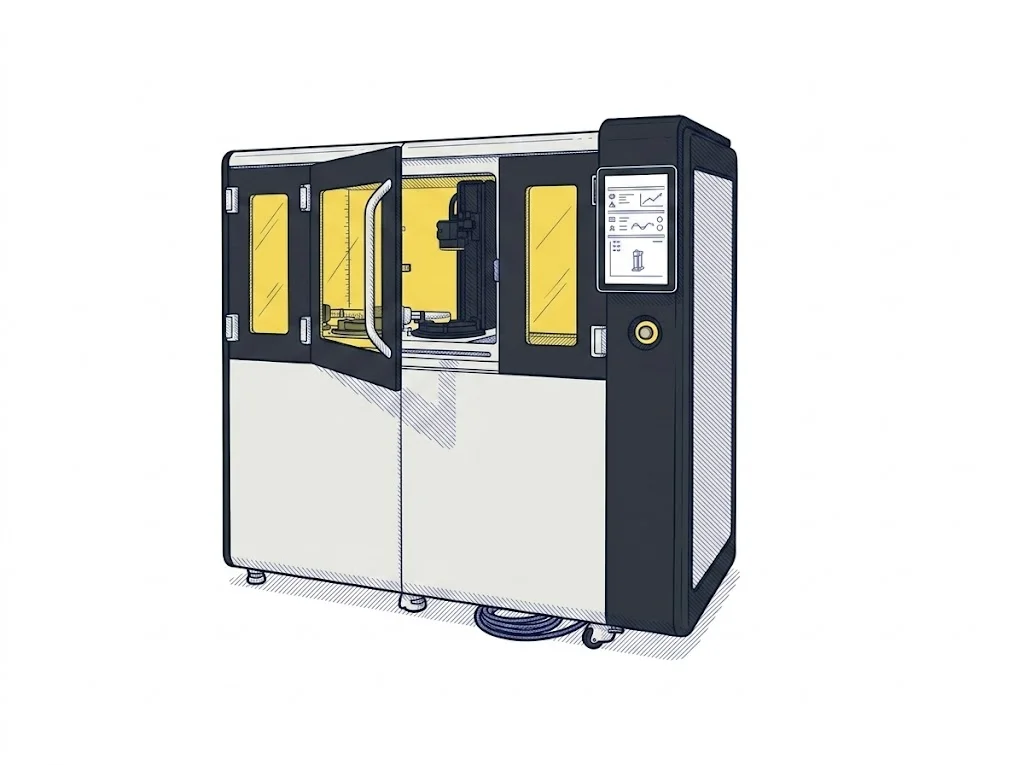 CeraFab Multi 2M30
Lithoz
F2 · Intermediate
CeraFab Multi 2M30
Lithoz
F2 · Intermediate
|
|---|---|---|
| Identity | ||
| Use tier | F2 — Intermediate | F2 — Intermediate |
| Price | ||
| Price (€) | ~3499–3599 € | — |
| Universal specs | ||
| Dimensions (W×D×H) (cm) | 53.34 × 76.2 × 71.12 cm | 85 × 180 × 178 cm |
| Weight (kg) | 17 kg | — |
| Work area (mm) | 335 × 320 mm | 76 × 43 mm |
| Z-axis height (mm) | 305 mm | 170 mm |
| Voltage (V) | 220 V | — |
| Maximum speed | 130 mm/s | — |
| Declared precision | — | 35 um |
| Ecosystem | ||
| Cloud dependency | No | No |
| Software notes | The firmware natively manages the protocol via an integrated web interface accessible via WiFi or Ethernet, eliminating the need for dedicated applications. The machine is compatible with the main standard slicers on the market, which generate the G-code needed to control the piston extrusion system via standard printer commands. | The system uses proprietary Lithoz software to control polymerization parameters and manage the multi-material process, essential for layer synchronization. The interface is designed for integration with industrial workflows and does not support consumer slicer ecosystems like Cura or PrusaSlicer, requiring specific training on the manufacturer's production protocols. |
The differences that matter
- Work area: 3D PotterBot 10 Micro 335×320 mm vs CeraFab Multi 2M30 76×43 mm — 3D PotterBot 10 Micro wins (+3180%)
Which one to choose
MakerSpecs is an independent atlas. We don't sell products: this comparison links to both sheets, where you'll find complete data and official links.